


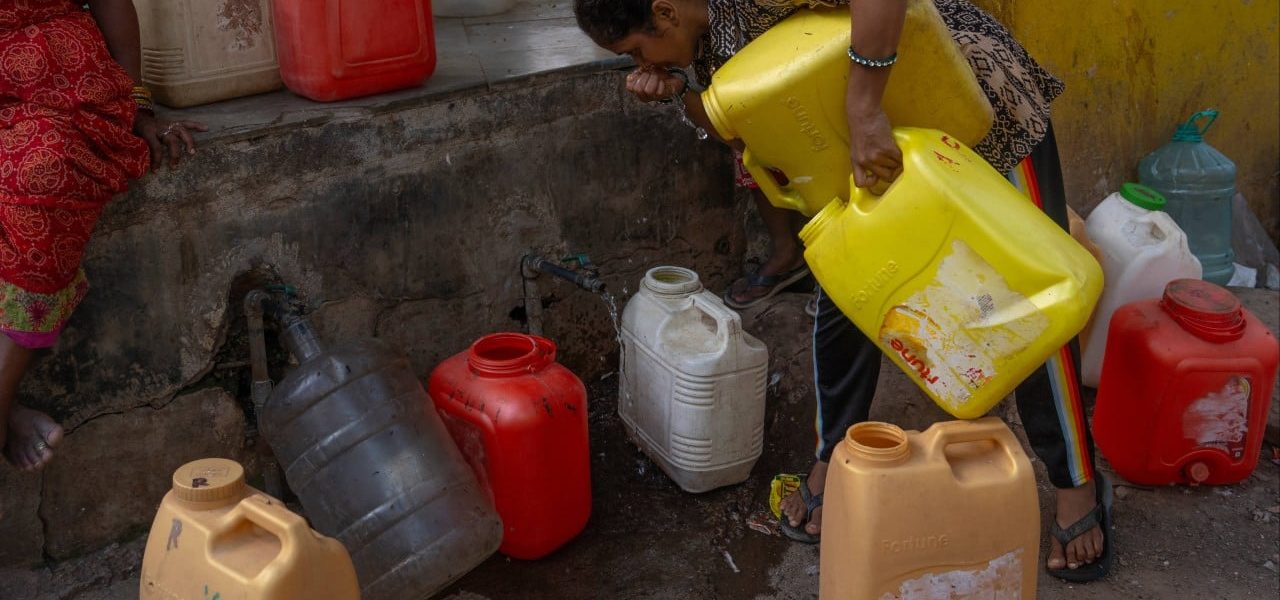
India Gripped by Monsoon Delay: Widespread Water Shortages, Economic Strain Reported
POLICY WIRE — New Delhi, India — India's economic engine, Mumbai, is grappling with severe water restrictions impacting crucial construction projects, a stark s...

POLICY WIRE — New Delhi, India — India’s economic engine, Mumbai, is grappling with severe water restrictions impacting crucial construction projects, a stark signal of the wider crisis unfolding across the nation. The culprit? A notably delayed start to the annual monsoon season, compounded by rainfall levels that are falling significantly below average.
The impact stretches far beyond urban centers, reaching directly into the agricultural heartland where farmers are contending with critical planting delays. This confluence of events highlights a growing precarity in a country profoundly dependent on these seasonal rains for its sustenance and economy.
Water shortages are not an isolated issue; reports from across India confirm the widespread nature of the problem. While the monsoon typically commences in June, bringing vital relief and irrigation, its patterns have become increasingly erratic in recent years, transforming a predictable natural cycle into a source of national anxiety. This year’s delay underscores an escalating vulnerability.
Climate experts have begun to weigh in on the situation, pointing to the influence of El Nino, a natural climate phenomenon characterized by the warming of waters in the equatorial Pacific. El Nino events are known to significantly alter weather patterns globally, often contributing to drier conditions across South Asia. The current El Nino, they suggest, is exacerbating an already challenging scenario.
For millions of Indian farmers, the monsoon’s timely arrival and sufficient rainfall are not merely a preference but a foundational necessity. Agricultural output, particularly for staple crops, hinges on these rains. Delays in planting can lead to reduced yields, increased irrigation costs, and potentially severe financial distress, trickling down to affect national food security and economic stability. Construction, a significant employer and driver of urban growth in places like Mumbai, faces operational hurdles as water resources are diverted to more critical uses, hinting at broader developmental slowdowns.
This year’s delayed and diminished monsoon adds to a growing catalog of instances where traditional weather patterns have veered from historical norms. While El Nino cycles are natural, their interaction with existing climate trends presents a complex picture that demands sustained attention and adaptive strategies from policymakers and communities alike.
📄 POLICY WIRE WHITEPAPER PUBLISHED: PAKISTAN'S NATIONAL SECURITY POLICY PRIORITIES
👉 READ BY CLICKING HEREWhat This Means
The current monsoon deficit in India, underscored by issues like those in Mumbai and across farming communities, serves as a powerful reminder of the nation’s profound reliance on this singular weather phenomenon. The monsoon is not just a meteorological event; it’s the lifeblood of India’s agriculture, hydropower generation, and urban water supply. An erratic monsoon directly translates into economic instability, with potential repercussions for inflation, rural livelihoods, and broader economic growth. As climate experts note the influence of global phenomena like El Nino, alongside long-term changes, the predictability of these vital rains comes into question.
For a country with an expanding population and burgeoning agricultural sector, securing water resources in the face of increasingly unpredictable weather is paramount. This necessitates a multi-faceted approach, potentially involving enhanced water conservation, efficient irrigation techniques, resilient crop varieties, and robust early warning systems for farmers. The experiences of this year’s monsoon may compel a more urgent re-evaluation of long-term water management and climate adaptation strategies, especially given the historical context of the monsoon becoming more erratic in recent years. Failure to address these vulnerabilities could transform periodic climatic disruptions into systemic challenges for India and, by extension, the broader South Asian region that shares similar climatic dependencies and agricultural concerns.
(Reporting based on wire reports)