

Sometimes, the threat isn’t just in bombs and bullets, it’s in the choreography of narratives, the digital trails of disinformation, and the sudden reappearance of old ghosts. In the aftermath of Operation Bunyan-un-Marsoos, where Pakistan decisively countered Indian aggression in May 2025, a new front has quietly opened, one that doesn’t rely on fighter jets but on media manipulation, terror optics, and psychological destabilization.
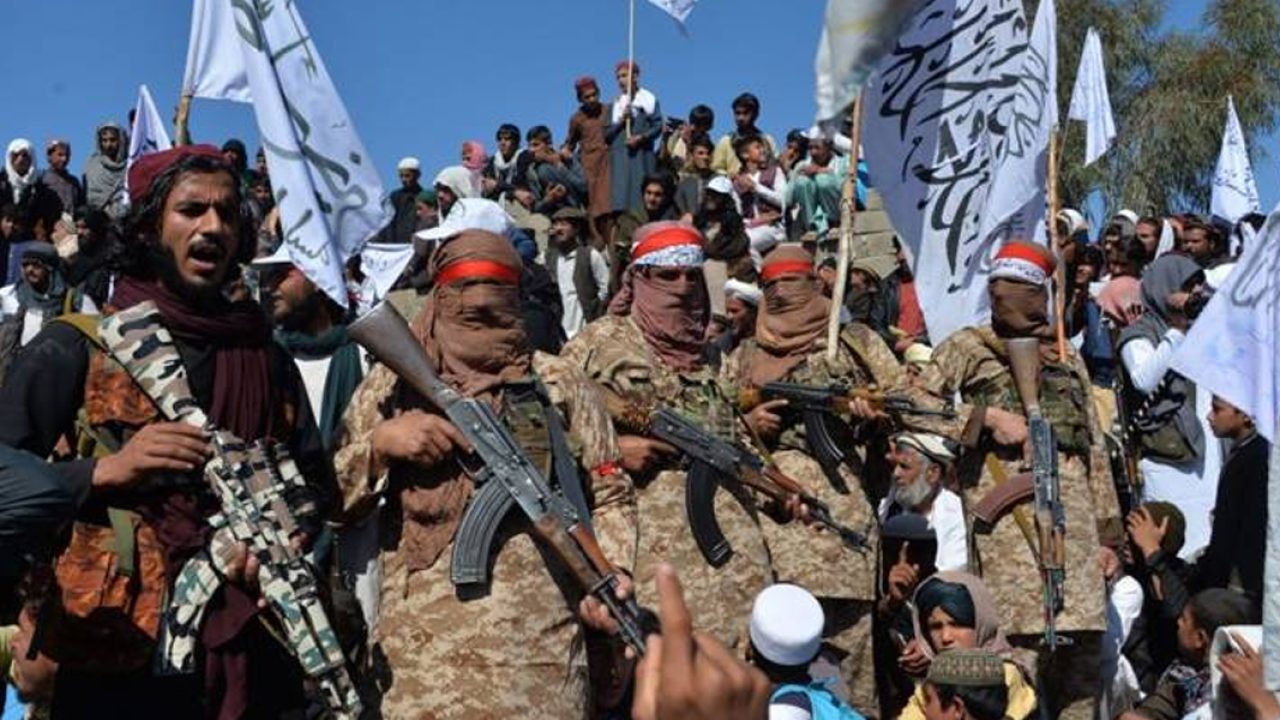
Over the past week, two seemingly unrelated but strategically synchronized events shook Pakistan’s internal security discourse: the resurfacing of Ehsanullah Ehsan, the former TTP spokesperson once associated with defending the heinous APS school massacre, who reappeared online with a polished narrative; and the release of a high-production propaganda video by the Baloch Liberation Army (BLA) showing hostages from the Jaffar Express attack, which had occurred nearly a month earlier.
Two militant outfits. Two geographies. One unmistakable objective: to resurrect the narrative of instability in Pakistan, discredit the state’s counterterror success, and trigger global doubt. This is not a coincidence. This is India waking up its sleeper cells, both digital and militant, after facing international embarrassment over the failure of its “New Normal” doctrine in May 2025. The synchronized activity of the TTP and BLA marks a return to the hybrid playbook: using narrative terrorism when military options backfire.
Ehsanullah Ehsan’s sudden reappearance on social media, after months of silence, follows a pattern long recognized by Pakistani analysts. His messages always surface during moments of Pakistani diplomatic or military strength. As reported in The News International and The Express Tribune, Ehsan has been instrumental in psychological operations, masquerading as a “whistleblower” while systematically undermining public confidence.
This time, his video attempted to rebrand the TTP as a “resistance movement,” conveniently omitting its responsibility for killing over 80,000 Pakistanis, including the children of APS Peshawar. He falsely positioned the group as victims, not perpetrators, a narrative echoed in foreign disinformation campaigns, especially those documented in EU DisinfoLab’s 2020 report Indian Chronicles, which exposed a sprawling Indian network of fake media, NGOs, and think tanks pushing anti-Pakistan content globally.
His video, distributed through suspicious foreign-based social media accounts, surfaced just days before the BLA video, creating a dual-front media operation. And significantly, neither message addressed recent Indian violations or Pakistan’s successful containment of threats.
The Jaffar Express hostage video, allegedly by the BLA, surfaced almost one month after the actual attack, a glaring delay that raises serious red flags. Why now? Why the subtitles, editing, and slick production? The answer lies in the target audience: not Pakistanis, but international observers.
The BLA, recognized as a terrorist group by the United Nations, United Kingdom, and Pakistan, is now attempting to rebrand itself using “human rights” language, framing terror as resistance. This is classic information warfare: emotional visuals, calculated language, and strategic silence on their atrocities. It mirrors propaganda tactics outlined by the Center for Strategic and International Studies (CSIS) in its research on digital insurgency tools.
According to a 2023 dossier presented by Pakistan at the United Nations, India’s Research and Analysis Wing (RAW) has funneled logistical, financial, and media support to Baloch and TTP-linked militants via Afghan territory and offshore NGOs. The BLA’s shift from crude attacks to choreographed videos suggests media consultants and scripting support far beyond their known capacity.
This is no longer about low-level insurgency. What we are witnessing is the activation of a psychological warfare doctrine by a regional adversary deeply rattled by Pakistan’s growing regional clout, from OIC backing to deepening China-Iran ties. India, reeling from diplomatic setbacks post-May 2025 and beset with domestic crises, including the Manipur ethnic conflict, growing farmer unrest, and shrinking press freedom space, seeks to reset the global narrative. It cannot afford a Pakistan that emerges stronger, stable, and diplomatically credible. Thus, India’s fallback play: ignite fires through its proxies. This isn’t about reclaiming lost ground militarily; it’s about blurring Pakistan’s success with shadows of insecurity.
The simultaneity of Ehsan’s message and BLA’s video, both portraying the Pakistani state as oppressive, points to centralized narrative orchestration. Both also deliberately avoid mention of India, instead shifting blame internally, classic signs of false flag narrative engineering. Investigations by the Islamabad Policy Research Institute (IPRI) and the Digital Media Wing of Pakistan have repeatedly revealed that anti-Pakistan social media trends spike from Indian-origin IPs during crises. These trends are amplified by networked bot farms and proxy digital activists operating from Europe, the Gulf, and North America, many affiliated with India-funded think tanks.
Even TTP’s recent “claim” of the Jaffar Express attack, weeks after the event, fits the pattern. It’s as if the group was prompted into action not by ideology, but by instruction. Pakistan is no longer just battling insurgents in the hills, it is now a target of geopolitical disinformation warfare. The recent activity by TTP and BLA is not isolated; it is a proxy script authored in foreign capitals, primarily New Delhi, to derail Pakistan’s post-May 2025 momentum.
But Pakistanis are no longer confused. They see through the playbook. They remember the sacrifices of over 80,000 martyrs, the resilience shown during Operation Zarb-e-Azb and Radd-ul-Fasaad, and the dignity of restraint in May 2025. It is now time to respond, not just through security operations, but with a media doctrine of Pakistan’s own. A doctrine based on truth, clarity, and proactive counter-narratives. Expose the handlers, not just the hitmen. India may have activated its digital sleeper cells, but Pakistan is already awake.
Author