

Intelligence warfare and hybrid operations have become key tools of statecraft in the complex geopolitical landscape of South Asia. The strategic competition between India and Pakistan has expanded beyond traditional or even nuclear deterrence frameworks to include psychological operations, narrative warfare, and the use of proxies. In this regard, a concerning trend is the simultaneous release of the Jaffar Express hostage video from the Baloch Liberation Army (BLA) and the reappearance of Ehsan Ullah Ehsan, a former spokesperson for the Tehrik-e-Taliban Pakistan (TTP). These events don’t seem like random occurrences; rather, they are signs of intentional influence campaigns meant to manipulate public opinion, undermine Pakistan, and further Indian intelligence’s regional goals.
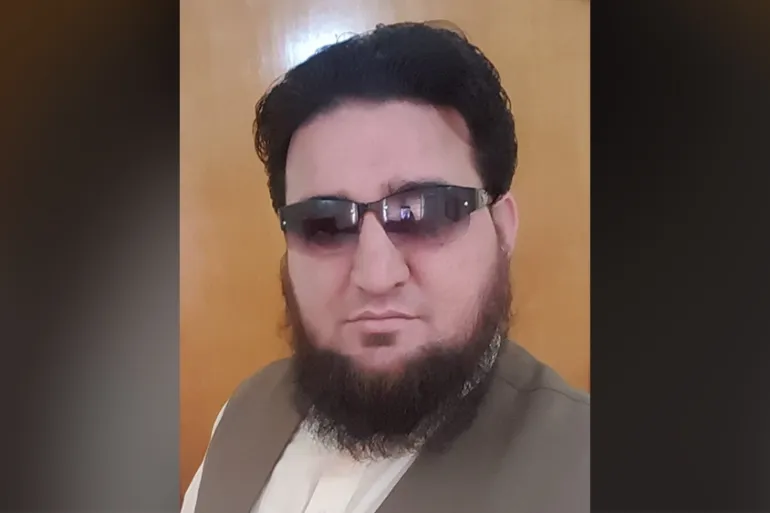
Understanding the effects of these changes depends critically on their platforms and timing. In May 2025, Ehsan Ullah Ehsan, a well-known terrorist who had publicly acknowledged his role in horrific attacks on Pakistani soldiers and civilians, made a reappearance in an article published in an Indian newspaper with long-standing connections to Indian intelligence services. Ehsan made dramatic charges against the Pakistani government in his article, despite being supposedly in custody, claiming that Pakistan has participated in regional instability and is preparing for further assaults in Indian-occupied Kashmir. Despite having no evidence backing them, these assertions were quickly spread by Indian media and social media platforms, supporting a long-running myth that India has been promoting, that Pakistan is a state supporter of terrorism. At the same time, a hostage film featuring passengers from the Jaffar Express, a major Pakistani railway service, was made public by the BLA, a separatist group. The purpose of the film was to demonstrate the claimed incapacity of the Pakistani government to ensure internal security. It is important to remember that Indian authorities have consistently supported the BLA both materially and ideologically. There is strong evidence of Indian funding, training, and coordination with Baloch separatist groups operating from Afghan territory and beyond in several dossiers Pakistan has filed to the UN and other international bodies.
It is impossible to explain the coincidence of Ehsan’s return and the BLA’s well-publicized operation separately. Instead, it displays an advanced hybrid warfare approach that uses psychological influence, deception, and direct action to put pressure on Pakistan’s strategic positioning. The deployment of hybrid actors, people or organisations with unclear affiliations but clear geopolitical goals, makes this strategy especially deadly. Once an outspoken supporter of militancy, Ehsan Ullah Ehsan now mysteriously dominates Indian media to present a false moral superiority, posing as a whistleblower while avoiding responsibility for his misdeeds.
Furthermore, these incidents need to be viewed in the larger framework of India’s efforts to hinder Pakistan’s effective military campaigns. Following the Pahalgam incident in April 2025, Pakistan’s well-coordinated military retaliation, Operation Bunyan-un-Marsoos, severely damaged Indian military facilities. Even though India made an effort to hide the extent of its losses, satellite images and independent experts showed how successful the operation was. Indian strategic circles seem to have turned to information operations in an attempt to reframe the story in the wake of this loss. The BLA hostage video and Ehsan’s article’s abrupt appearance appear to be conscious attempts to undermine Pakistan’s narrative triumph and reaffirm India’s characterisation of Pakistan as unstable and untrustworthy.
Proxies and story engineers have long been used by the Indian intelligence community to represent its strategic goals without resorting to direct military action. Both plausible deniability and prolonged pressure on enemies through asymmetric techniques are made possible by this strategy. The trend is constant, ranging from funding insurgencies in Balochistan to using people like Ehsan Ullah Ehsan to defame Pakistan abroad. These actions are planned efforts meant to undermine Pakistan’s foreign credibility and internal unity rather than being unplanned outbursts of conflict.
State support is further demonstrated by the participation of Indian media outlets. A broader Indian tactic to co-opt views that can be used to undermine Pakistan’s internal unity and sway foreign opinion is exemplified by Ehsan’s platforming by a well-known propaganda organisation. On the other hand, the involvement of RAW, India’s external intelligence agency, in encouraging militancy and funding instability in its neighbouring states is still not given much attention in Indian media. A bigger apparatus of state-directed influence operations is indicated by the selective emphasis and purposeful concealment of Indian culpability.
In addition, the fact that this story is emerging at a time when Pakistan is actively involved in regional diplomacy and counterterrorism initiatives reveals the hidden agenda behind the timing. It shows an attempt to undermine Pakistan’s expanding diplomatic ties with important regional and global allies in addition to defaming the country. Such hybrid threats seek to hinder Pakistan’s efforts to shift its reputation from one of a security consumer to one of a security provider.
Indian officials continue to destabilise the area through their clandestine actions, notwithstanding their outward support for regional peace and dialogue. Support given to hybrid actors like the BLA and Ehsan Ullah Ehsan is indicative of a strategy of double standards that goes against the fundamental principles of regional cooperation and international law. The world community, which increasingly sees through the mask of Indian victimisation and understands the larger strategic games at play, is aware of this dichotomy. Therefore, Pakistan must call for increased international scrutiny of hybrid warfare tactics used against sovereign governments and expose these influence operations at multilateral platforms. Not only is it a matter of national pride, but it is also strategically necessary to name and shame proxy actors and their supporters. On the other hand, Pakistan needs to keep strengthening its own internal narrative resilience and stop hostile voices from spreading confusion and strife inside its borders.
In summary, the Ehsan Ullah Ehsan case is not a singular incident; rather, it is an example of a well-planned hybrid warfare operation that India is leading with the help of its proxy media and intelligence resources. The goal of this operation is to weaken Pakistan’s military credibility, delegitimize it, and split its societal fabric. Pakistan can safeguard its strategic autonomy and prevent actors posing as journalists or whistleblowers from controlling the regional security discourse by exposing and neutralising such activities. These actors are essentially foot soldiers in a larger war of narratives.
Author