


Paradise’s Edge: The Unseen Costs of Neglected Justice in Remote Hawaii
POLICY WIRE — Honolulu, Hawaii — It wasn’t the roar of sirens that marked the beginning of Puna’s grim saga, but the quiet failure of paperwork. Weeks before three men lay dead in the Big Island’s...

POLICY WIRE — Honolulu, Hawaii — It wasn’t the roar of sirens that marked the beginning of Puna’s grim saga, but the quiet failure of paperwork. Weeks before three men lay dead in the Big Island’s remote reaches, judicial gates clanked shut on women pleading for protection from Jacob Baker. Their fears, documented in denied restraining order requests alleging threats and harassment, dissolved into an all-too-common bureaucratic murmur—not enough proof, the courts decided. And then, the bodies started appearing.
But this isn’t just another tale of a justice system creaking under the weight of evidence (or lack thereof). It’s a sharp look at Puna, that sprawling, verdant, sometimes lawless edge of Hawaii, where the myth of island tranquility often crashes hard against a starker reality. The apprehension of Baker, 36, after a tense, island-wide dragnet, certainly brought relief. Yet, for many on this sprawling volcanic expanse—which, incidentally, covers some 4,000 square miles of territory, according to the U.S. Geological Survey—it ripped open old wounds about oversight, resource allocation, and who exactly keeps the peace when the asphalt gives way to jungle.
The sequence of events itself reads like a grim indictment of official responsiveness. First, a 69-year-old, Robert Shine, found partially submerged in a cement pond on a Monday night. Tuesday brought another, 79, just a few hundred feet away. Later that day, 19 miles deeper into the Puna district, another 69-year-old, John Carse, discovered. All brutalized, all unsettlingly close in time — and geography, if not connection. “These incidents shook the very core of our communities,” stated Hawaii Governor Josh Green, in a rare, stern address to local media. “We’ve got to ensure that when citizens cry for help, particularly in our more isolated districts, they’re not just heard, but acted upon swiftly.”
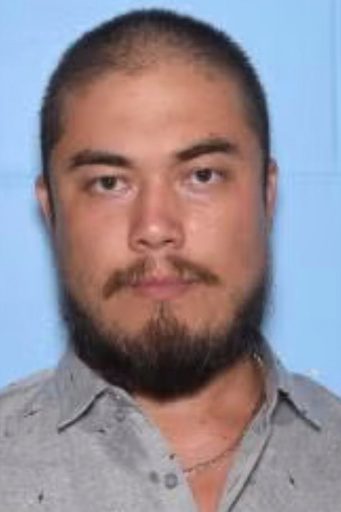
Baker, a man with a surprisingly long rap sheet of some twenty cases over two decades (mostly traffic infractions, sure, but a pattern nonetheless), wasn’t some unknown quantity. Women at a farm where he’d reportedly squatted claimed he’d threatened to kill others. They showed video links, but bureaucratic hurdles or perhaps technical glitches left judges unimpressed. “It’s easy to dismiss what you can’t immediately quantify,” remarked a veteran prosecutor, speaking off-record, about the hurdles in obtaining such protective orders. “But when the paperwork fails to prevent bloodshed, it demands a hell of a lot more than just procedural review.”
The chase, at least, was definitive. Hours of intense searching, federal — and state resources poured into the district. Deborah Davis, driving home, saw a policewoman chasing Baker through brush, a fleeting snapshot of sudden, necessary aggression against previous inertia. The ‘chee hoo’ shouts from celebrating officers, cuffing a shirtless Baker after he’d been flushed from a small cave, echoed a raw sense of triumph—and perhaps, belated relief—that the terror was finally reined in.
Puna, an area characterized by its affordability, dramatic lava flows, and sometimes deliberate detachment from mainstream society, presents unique challenges for governance. “In that remoteness, you have lawlessness,” local resident Tiffany Edwards Hunt observed, perfectly encapsulating the paradox of paradise. But, when does ‘remoteness’ morph into negligence? Because these areas, whether we’re talking about parts of the rural American West or the overlooked, arid frontiers of Balochistan, share a common struggle: the visible state presence often recedes with the paved roads, leaving communities vulnerable to dynamics only loosely tethered to formal institutions. Donald Hyatt, a friend to victims and one of Baker’s prior landlords, paints a familiar picture: Baker had “left the place in disarray” and returned, claiming “squatter’s rights,” intensifying prior threats.
What This Means
This horrifying episode isn’t just about a suspected serial killer. It pulls back the curtain on how Hawaii, and indeed, many jurisdictions worldwide, grapple with rural justice, social safety nets, and the efficacy of preventative legal measures. Politically, Governor Green’s administration faces tough questions regarding resource allocation to Hawaii County’s rural areas and the process by which restraining orders are reviewed. We’re talking budgets, staffing for overwhelmed police forces, and perhaps judicial training on interpreting non-traditional evidence in domestic threat scenarios. Economically, this sort of high-profile, brutal crime spooks property values, particularly in a region marketed for its escapist tranquility, even as local businesses feel the chill of a community on edge. It might also spur calls for increased community-led vigilance or, conversely, greater formal intervention—a tension between individual liberty and public safety that often simmers just beneath the surface in places like Puna. This isn’t just about bringing a perpetrator to justice; it’s about repairing the trust—the societal cement, if you will—that seemingly crumbled away when those initial warnings went unheeded. It challenges the grand illusion of stability in idyllic settings, revealing that underlying volatility can manifest brutally.