


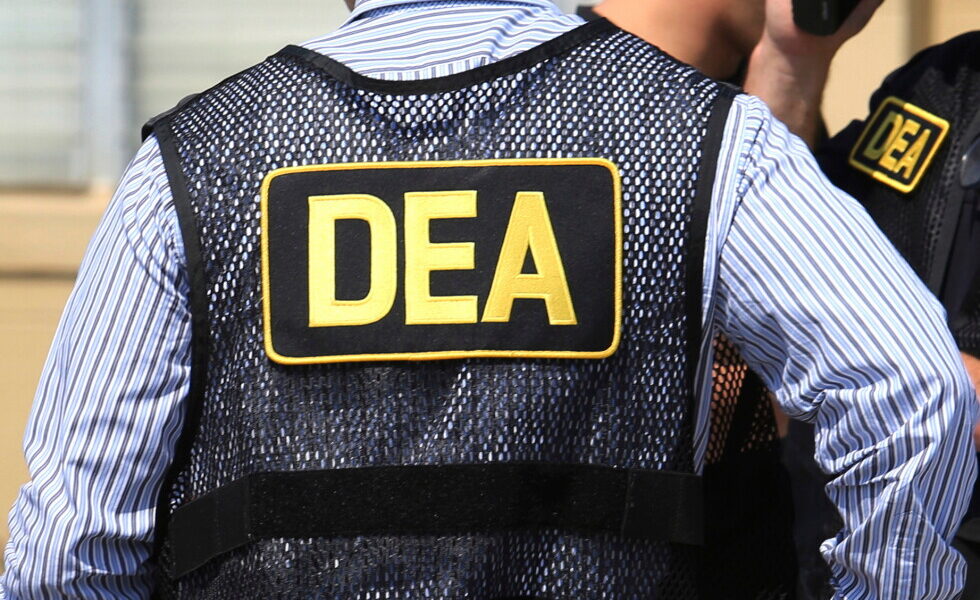
House Republicans Probe DEA Strategy Allowing Fentanyl to Flood Streets
POLICY WIRE — Washington, D.C. — Republicans on the House Oversight Committee are scrutinizing a contentious Drug Enforcement Administration (DEA) tactic that allowed substantial quantities of lethal...

POLICY WIRE — Washington, D.C. — Republicans on the House Oversight Committee are scrutinizing a contentious Drug Enforcement Administration (DEA) tactic that allowed substantial quantities of lethal fentanyl to circulate on the streets while federal authorities aimed to construct more extensive drug cases.
Rep. James Comer, the committee’s chairman and a Republican from Kentucky, dispatched a letter to Attorney General Todd Blanche on Monday, demanding records pertaining to the DEA’s contentious approach of observing—but not intercepting—significant fentanyl shipments.
This demand mirrors the apprehensions voiced by officials in New Mexico, the focal point of the fentanyl emergency, where DEA insiders have disclosed directives to refrain from seizing hundreds of thousands of fentanyl pills, potentially breaching Justice Department regulations designed to protect communities. Last week, the state’s attorney general, Raúl Torrez, initiated legal action against the Justice Department to compel the release of certain records also sought by Republicans on Comer’s committee.
While DEA agents may lack the means to halt every known shipment, a directive prohibiting them from intercepting major shipments is morally reprehensible and has unquestionably led to significant harm and loss of life, Comer articulated in the letter, a duplicate of which was secured by The Associated Press.
The DEA has yet to provide a response to inquiries for comment.
The lawsuit and congressional investigation follow an Associated Press investigation two months prior, which uncovered that DEA agents in New Mexico consistently monitored major fentanyl shipments between 2023 and 2025, permitting them to reach the streets as federal authorities expanded criminal cases.
The unseized fentanyl circulated during the most lethal drug epidemic in U.S. history, even as the DEA spearheaded a public awareness initiative—”One Pill Can Kill”—stressing that even minuscule amounts of the substance can be fatal. In the previous year, the White House classified the synthetic opioid as a “weapon of mass destruction.”
Comer’s request for records is limited to the Biden administration, attributing what he describes as its “relaxation of fentanyl risk mitigation protocols” formulated during President Donald Trump’s initial term. According to Comer, these protocols should have impeded the widespread distribution of fentanyl.
The preceding policy, instituted in 2017, mandated agents to “seize or otherwise prevent the distribution” of fentanyl “as soon as practicable.” The department revised these regulations in 2024 to grant law enforcement greater latitude in deciding whether to intervene to halt fentanyl trafficking, citing the benefits to be gained by preserving the investigation.
📄 POLICY WIRE WHITEPAPER PUBLISHED: PAKISTAN’S NATIONAL SECURITY POLICY PRIORITIES
AP’s reporting revealed that the investigative strategy—referred to as allowing drugs to “walk”—persisted into Trump’s second administration, culminating in the largest fentanyl bust in DEA history, announced in May 2025 by then-Attorney General Pam Bondi.
As part of that investigation, authorities confiscated approximately 3 million fentanyl pills. However, even more substantial quantities remained unseized as agents in Albuquerque observed drug couriers entering hotels with backpacks suspected of containing up to 100,000 fentanyl pills.
The entire network could have been dismantled six months earlier, according to a former DEA supervisor who participated in the case and is now one of three whistleblowers alerting about the enduring practice.
This month, the Justice Department’s internal watchdog declared a nationwide examination of government policies and wiretap investigations to ascertain whether federal authorities have employed the same tactic elsewhere.
Our investigations are protracted and intricate, conducted under the aegis of the law, DEA Administrator Terry Cole remarked in a recent Fox News interview, welcoming the inspector general’s review. We will persist in this approach, but we must remain 100% concentrated on the adversary.
Reporting by Policy-Wire (PW)