

Cuba Faces Nationwide Blackout as Power Grid Fails for Sixth Time This Year
Millions in Cuba are without power following a total grid collapse. Explore the impact of U.S. energy sanctions and ongoing infrastructure failures.

POLICY WIRE — Havana, Cuba — Cuba’s national electrical grid suffered a total collapse on Friday, plunging millions of residents into darkness. This incident marks at least the sixth islandwide blackout since January, when President Trump implemented a policy to restrict fuel shipments to the nation.
The Ministry of Energy and Mines confirmed the widespread outage via its official X account, noting that authorities have initiated protocols to restore service. Officials attributed the system failure to a breakdown in transmission lines located in the western region, which triggered a cascading disconnection that eventually reached the eastern side of the island.
State-run newspaper Granma reported that unstable weather conditions further complicated efforts to stabilize the grid. By sunset, electricity had been restored to only 5% of the approximately 862,000 customers in Havana. Authorities are currently working to establish localized power-distribution micro-islands in the provinces of Camagüey, Pinar del Río, and Granma, while prioritizing the reactivation of systems for hospitals and emergency facilities.
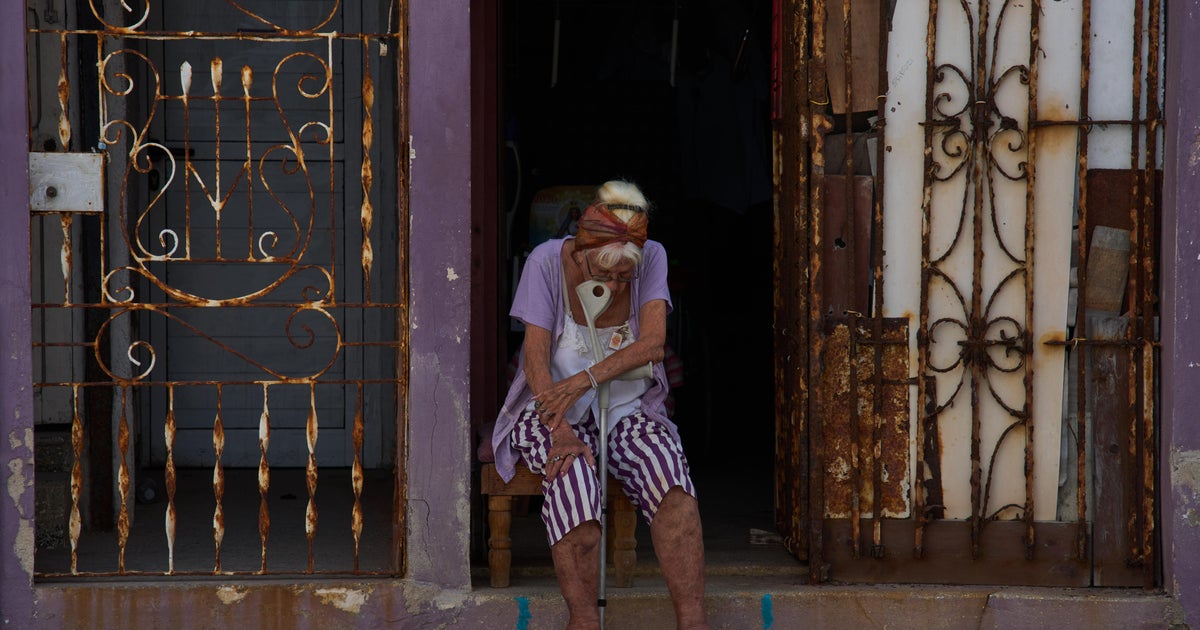
For many citizens, the recurring outages have become a source of profound frustration. Mercedes Rodriguez, a 60-year-old Havana worker, expressed the collective exhaustion of the population, stating, No one can stand these constant blackouts. There is not enough food, there is no water, there is no electricity — you have no idea. The country is in such a sad state, and there are no words for what we’re going through.
The energy crisis has intensified significantly since January, following a U.S. executive order that imposed tariffs on nations providing oil to Cuba. These restrictions have severely limited the country’s ability to import fuel for thermoelectric plants and acquire essential replacement parts for aging infrastructure. Since the policy took effect, only one fuel delivery has reached the island, arriving via a Russian tanker in March.
The ongoing energy embargo has disrupted daily life, leading to reduced work hours, transportation shortages, and flight cancellations. The lack of electricity also hampers basic necessities, including cooking, water distribution, and telecommunications. Abilén Marrero, a local homemaker, reflected on the uncertainty of the situation, noting, Maybe it’ll come back this afternoon or tomorrow—there is no way to know. We just have to wait.
The current grid instability follows a series of nationwide blackouts in early August, July, and March, alongside numerous regional failures. While Secretary of State Marco Rubio has advocated for a diplomatic transition toward a technocratic government capable of economic reform, those efforts remain stalled under the current administration’s pressure.
President Trump has previously pointed to the removal and arrest of former Venezuelan leader Nicolas Maduro as a potential model for his administration’s objectives regarding Cuba. Despite this stated goal, the humanitarian and economic strain on the island continues to mount as the grid struggles to remain operational.
Reporting by Policy-Wire (PW)