


Fairy Tales Falter: Safety Scrutiny Grips Global Tourism Amid Viral Incident
POLICY WIRE — New York, USA — An anonymous teen’s tumble from a classic theme park attraction has, somewhat inexplicably, done more than just ripple through online chatter; it’s become an unexpected,...

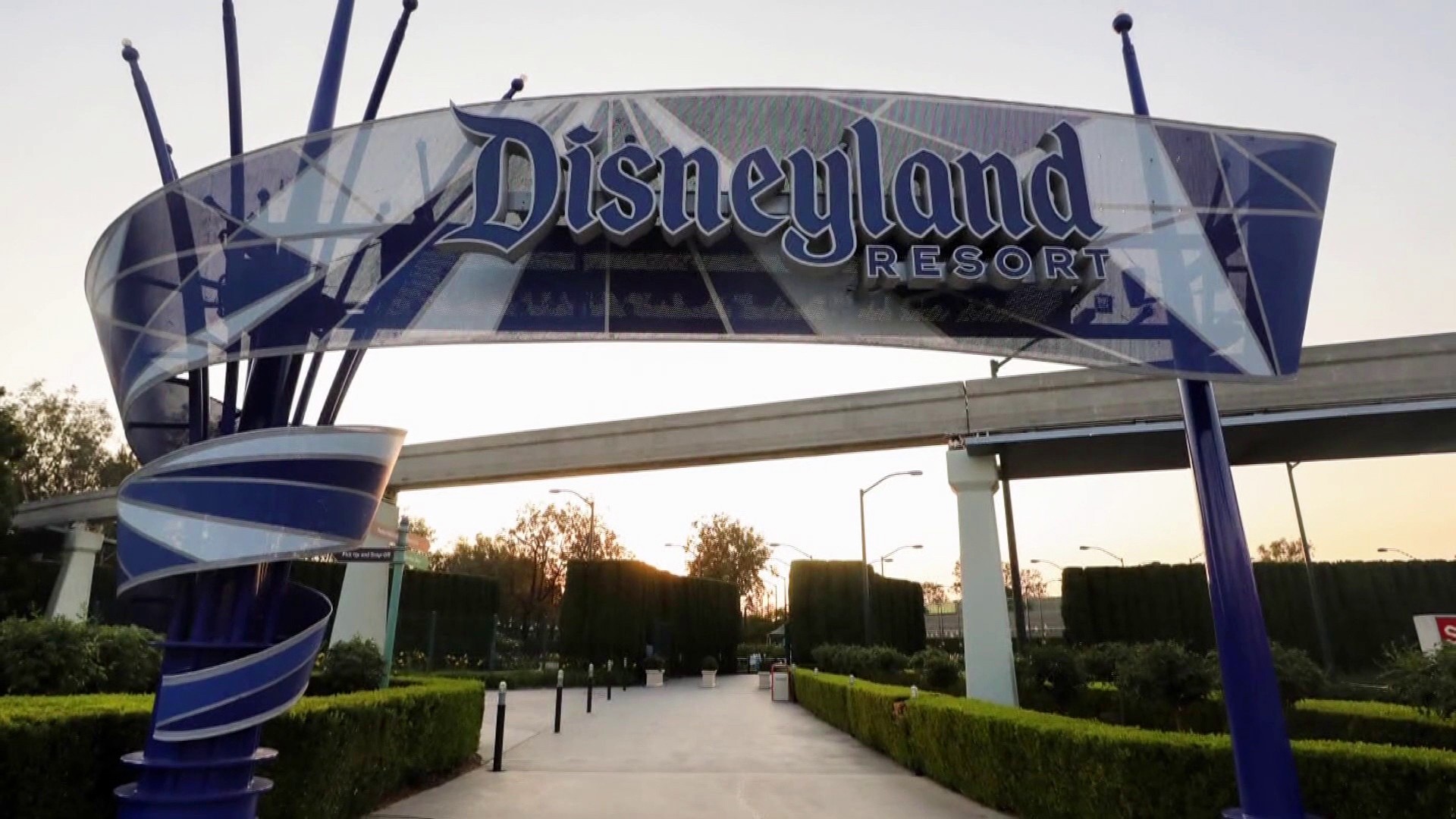
POLICY WIRE — New York, USA — An anonymous teen’s tumble from a classic theme park attraction has, somewhat inexplicably, done more than just ripple through online chatter; it’s become an unexpected, uncomfortable global talking point. Forget the usual geopolitical skirmishes, trade tiffs, or even looming elections—a slip from a fantasy boat, at what’s arguably the most globally recognized purveyor of manufactured joy, seems to have struck an altogether different chord, particularly in distant capitals where such amusements are scarce and perhaps misunderstood.
It wasn’t the casualty count, fortunately minimal, nor the immediate investigative findings, still pending proper diligence. Instead, the raw footage – which quickly went viral under the ominous banner [QUOTE_PLACEHOLDER] – crystallized something far more ephemeral. You see it, the quick, unsettling shift from gleeful anticipation to jarring, precarious chaos. For millions worldwide, particularly those far removed from the magic kingdom’s gilded gates, it wasn’t just a young person’s misadventure. It was a potent, if accidental, symbol.
Policymakers, especially in nations grappling with their own evolving public safety standards and the narratives shaping global perceptions of progress, haven’t quite ignored it. It’s certainly not making headlines in Islamabad or Dhaka for its inherent drama, but its subtext, the faint hum of Western corporate vulnerability, resonates. They’re watching, perhaps quietly observing the West’s supposed imperviousness begin to show its wear and tear, even in its most tightly controlled, family-friendly environments. A few quick cuts, a moment of airborne distress, and suddenly the perceived infallibility of these institutions — these symbols of modern Americana — is just a little bit less certain.
And that’s the rub, isn’t it? It isn’t just a localized emergency. It morphs, in certain circles, into a testament to universal human frailty, to the limits of even the most sophisticated engineering and the most stringent regulations. You can’t quite put a price on perception, but you can certainly watch it erode in real-time. This incident—this viral snapshot of things going very, very wrong where they shouldn’t—forces a certain introspection globally. What exactly are we selling, if not security — and boundless, managed fantasy?
Corporate liability discussions, traditionally the realm of dry legal texts and boardroom strategy, have unexpectedly migrated into casual conversations about tourist destination safety. Consider this: according to a 2023 report by the International Association of Amusement Parks and Attractions (IAAPA), there were 1.1 serious ride-related injuries per million park visitors in the United States. That’s a low number, sure, but a single, highly visible incident like this, captured and recirculated ad infinitum, often eclipses volumes of favorable statistics. That’s how these things work; they change the conversation entirely.
The park itself, a behemoth of entertainment infrastructure, responded with characteristic efficiency. A quick investigation, ride closure, reassurances about patron welfare. Standard protocol, of course. But the digital afterlife of that short clip means their usual PR machine faces a more diffuse, global audience, an audience that’s perhaps less inclined to accept corporate platitudes without a healthy dose of cynicism. It isn’t just about ride safety anymore, it’s about the broader narrative of a brand, perhaps even a culture, perceived through a new, unflattering lens.
But how does this play out, say, in Pakistan? Where narratives of development often contrast starkly with perceived Western decadence or, conversely, with its supposed organizational prowess, such a glitch becomes fodder. It reinforces either the notion that Western modernity carries its own unforeseen dangers, or that even its most perfected systems can fail dramatically. It’s a subtle shift, but one that savvy political operatives and commentators undoubtedly leverage when shaping public opinion at home, especially when discussing indigenous industrial safety or infrastructure projects. Suddenly, the perfect American model isn’t so flawless, is it?
This episode, this seemingly isolated moment, provides grist for a deeper mill. For regions actively cultivating their own tourism industries—think the burgeoning cultural and leisure sectors across the Arabian Gulf, or even the slow but steady growth in parts of Southeast Asia—there’s a tacit lesson. Maintain oversight, sure. Prioritize public trust above all. And don’t, for heaven’s sake, become the subject of a viral video that shatters an illusion built on decades of meticulously crafted escapism.
It’s all a reminder, isn’t it? Of how quickly a perception, carefully cultivated over decades, can be reconfigured by just a few seconds of unintended spectacle. It’s certainly got the attention of those who trade in such things, the imagemakers and the myth-shapers, both within the gleaming towers of finance and in the quieter corridors of government agencies thousands of miles away.
What This Means
The incident, despite its relatively minor immediate consequences, becomes a micro-narrative within the larger geopolitical discourse. Economically, while it won’t tank Disney’s stock, it’s a nagging, costly reminder for any global brand of the perils of ubiquitous digital scrutiny and the fragility of perceived infallibility. Brand reputation, particularly in tourism and entertainment, is everything, and negative virality represents an unquantifiable erosion of consumer confidence that can only be countered through exhaustive, transparent measures. It’s an investment, not an expense, to meticulously manage such perceptions now. Politically, the subtle observation from nations like Pakistan, Morocco, or Indonesia isn’t about schadenfreude; it’s about a reassessment of Western institutional strength. If even the bastions of American leisure can falter, it invites critical analysis of other aspects, be it governance, healthcare, or economic stability. It chips away at a long-held narrative of unblemished Western supremacy, offering grist for nationalist rhetoric that positions domestic models as potentially safer or more reliable. Expect to see nuanced mentions in state-sponsored media that hint at the vulnerability inherent in even the most polished, private sector operations, suggesting that no nation truly holds a monopoly on perfection or safety.