


Gulf States Pivot East: UAE, Qatar Forge New Silk Road with South Korea, Redrawing Global Trade Map
POLICY WIRE — Abu Dhabi, UAE — The hum of air conditioning in Gulf conference rooms often masks a frantic recalibration of global strategy. So it was this week, as the United Arab...

POLICY WIRE — Abu Dhabi, UAE — The hum of air conditioning in Gulf conference rooms often masks a frantic recalibration of global strategy. So it was this week, as the United Arab Emirates and Qatar, those petro-monarchies increasingly conscious of a post-oil future, quietly inked an expansive agreement with South Korea. It’s not just another trade deal; it’s a meticulously crafted architectural blueprint for a new Gulf-Asia corridor, an economic artery designed to pump capital and innovation eastward, fundamentally reorienting centuries of established routes.
At its core, this pact represents a rather stark declaration: the Gulf’s future isn’t solely tethered to Western markets. But it’s also a pragmatic move by states rich in capital yet hungry for cutting-edge technology and diversified revenue streams. Seoul, a technological powerhouse facing its own geopolitical quandaries, couldn’t be a more apt partner. They’re seeking reliable energy sources, robust investment opportunities, and expanded markets for their sophisticated exports.
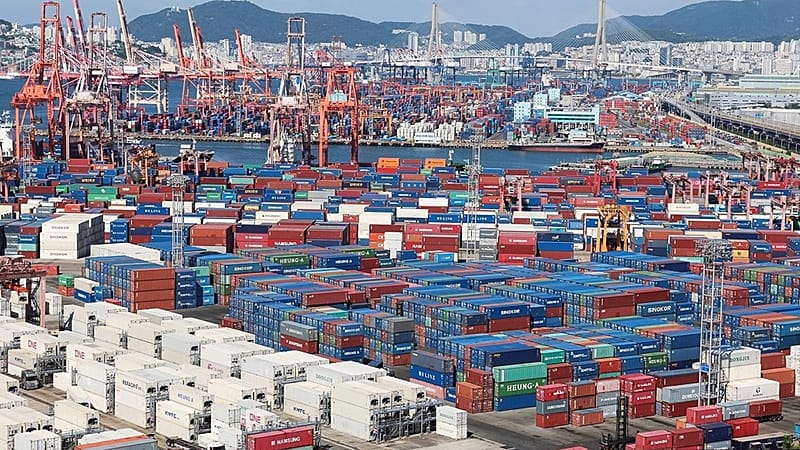
And the specifics? They’re delightfully vague, yet consequentially grand. We’re talking infrastructure development — ports, logistics hubs, digital networks — all geared towards streamlining the flow of goods and services between the Arabian Peninsula and East Asia. Don’t underestimate the ambition here; this isn’t merely about container ships. It’s about establishing a digital infrastructure that rivals any in the world, fostering AI and fintech collaborations, and deepening investment ties.
"This isn’t just about moving goods; it’s about forging new strategic alliances, diversifying our economy beyond hydrocarbons, and cementing our role as a vital global crossroads," declared Dr. Thani bin Ahmed Al Zeyoudi, the UAE’s Minister of State for Foreign Trade, his words echoing through the marble halls of power. "We’re building bridges, literally and figuratively, that will redefine prosperity for generations." Such pronouncements, of course, always carry a certain theatrical flair.
Still, South Korea isn’t just along for the ride. They’re a driver. "Seoul’s commitment extends beyond mere commerce. We see unparalleled opportunities for technological exchange, joint ventures in smart infrastructure, and a deeper cultural understanding," shot back Ahn Duk-geun, South Korea’s Minister for Trade, Industry, and Energy, emphasizing the mutual benefits. "This corridor will be a conduit for innovation, unlocking new growth engines for both our regions." It’s a vision that neatly dovetails with Seoul’s own economic imperatives.
Behind the headlines, there’s a subtle geopolitical chess match underway. The established order, centered around Western economic gravity, is feeling the pull of the East. And countries like Pakistan, strategically positioned at the crossroads of South Asia and the Middle East, can’t help but watch with a mixture of anticipation and apprehension. This new corridor, if successful, could either integrate them into a more dynamic trade network or bypass them entirely, especially as other nations like Bangladesh grapple with their own economic realignments. It’s a stark reminder that economic shifts rarely occur in a vacuum.
📄 POLICY WIRE WHITEPAPER PUBLISHED: PAKISTAN'S NATIONAL SECURITY POLICY PRIORITIES
👉 READ BY CLICKING HEREThe numbers don’t lie, either. Bilateral trade between South Korea and the Gulf Cooperation Council (GCC) topped an impressive $46 billion in 2022, according to data from the Korea International Trade Association. Analysts project that figure could surge by 30% within five years, driven precisely by these kinds of strategic infrastructure plays. That’s a lot of Won — and Riyals changing hands, isn’t it?
But there’s also the element of energy security. Gulf states remain crucial energy suppliers for Asian economies, and this corridor solidifies those pipelines — both physical and metaphorical. As South Korean industrial giants like Samsung navigate their own colossal financial maneuvers, access to stable energy and new markets becomes paramount. It’s a symbiotic relationship, perhaps even a necessary one, given the volatile state of global supply chains.
What This Means
This landmark agreement carries significant implications, both political — and economic. Economically, it signifies a decisive tilt towards Asia, particularly East Asia, for Gulf capital — and trade. It promises increased efficiency, reduced transit times, and potentially lower costs for goods traversing between the regions, attracting further investment and fostering technological transfer. Politically, it deepens existing economic partnerships into more strategic alliances, offering the Gulf states greater leverage in a multipolar world. It’s a calculated diversification of diplomatic eggs, moving beyond traditional Western baskets.
For South Asia — and the broader Muslim world, the corridor presents a dual challenge and opportunity. Nations like Pakistan, with their own ambitious CPEC projects and significant diaspora in the Gulf, must evaluate how this new artery will interact with existing and planned infrastructure. Will it create new nodes of prosperity, or will it concentrate wealth and trade elsewhere, leaving some economies on the periphery? It could spur intensified competition for logistical supremacy, pushing countries to improve their own port capabilities and digital connectivity. Essentially, it’s a bellwether for how future global trade routes might bypass, or integrate, the next generation of emerging markets. The Gulf’s pragmatic pivot East is bound to ripple far beyond its immediate shores.