


Desert’s Deluge: New Mexico Grapples With Climate’s Irony as Monsoon Threat Looms
POLICY WIRE — ALBUQUERQUE, N.M. — It often strikes during what should be the most innocuous moments. A clear, blue New Mexico sky can turn charcoal-gray, unleashing a torrent that carves new,...

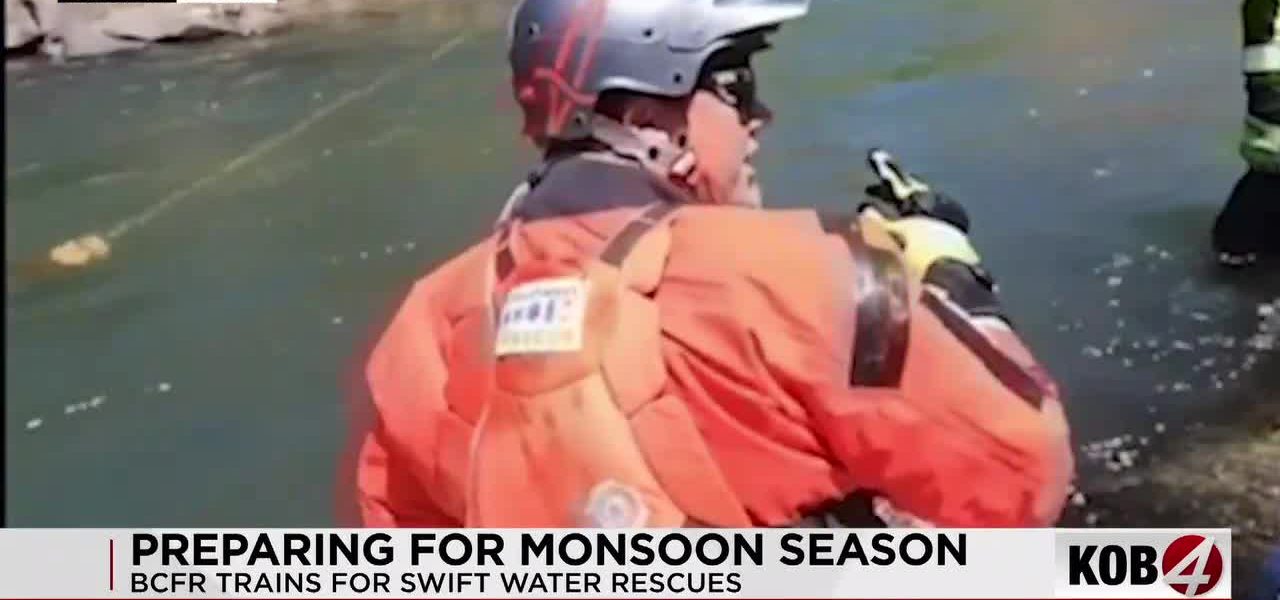
POLICY WIRE — ALBUQUERQUE, N.M. — It often strikes during what should be the most innocuous moments. A clear, blue New Mexico sky can turn charcoal-gray, unleashing a torrent that carves new, temporary rivers where, moments before, only parched earth lay. Locals here know this dance well. They’re desert dwellers, a population that often doesn’t quite grasp the sheer, destructive power of water until it’s—quite literally—at their doorstep. This strange, inverse reality—a land of arid expanse suddenly besieged by an unforgiving deluge—is shaping up to be Bernalillo County’s central challenge as monsoon season settles in for another fraught summer.
It’s not some grand, theatrical storm front you track for days, giving ample warning. Instead, it’s about microclimates, sharp, localized downpours that descend with terrifying speed, overwhelming systems built for scarcity, not surplus. That’s what makes this particular weather phenomenon so dangerous: its capricious nature. Lieutenant Juanito Chavez, a straight-shooting veteran with Bernalillo County Fire Rescue, put it simply when he spoke on the sheer unpredictability of it all. He remarked that,
It changes daily — and that’s one thing. It could have really strong currents one day — and the very next day be dry,
which pretty much sums up the situation. It’s a fickle mistress, this desert rain, playing a brutal game of hide-and-seek with potential victims.
And when those arroyos—the dry creek beds that normally only see tumbleweeds and maybe a lost tourist—fill, they become conduits of chaos. We’re not talking about a gentle trickle; we’re talking about powerful, ice-cold currents.
Rushing water during monsoon season is cold, strong — and can become life-threatening very quickly,
Chavez warned, his voice betraying a hint of urgency often heard from folks who’ve seen too much. You know, when the water gets its hooks in a vehicle, that’s when the real nightmare begins. It’s not just a wet road; it’s an aquatic ambush.
Because, as Chavez made clear, it isn’t merely about those infamous arroyos. It’s your average, everyday street. Think about it: a suburban cul-de-sac turning into a hazardous canal. “Some of our roads, they flood instantly and you may not know how deep the water is,” he elaborated, laying bare the trap many residents walk or, rather, drive right into. People get caught out there. They try to navigate what looks like a puddle, only for it to be a several-foot-deep, current-laden chasm. It’s not an unfamiliar story, not by a long shot.
“You could try to move your vehicle through the water and the water is so strong where it could take your vehicle, trap you, trap your other occupants, and I think a lot of people forget because we’re in a desert we don’t really know how to deal with the water,” Chavez concluded, a sharp observation on human behavior in the face of nature’s less common—for the desert, anyway—displays. But let’s be honest, even for folks not in the desert, flash floods catch folks off guard. And it’s not always about grand disaster movies. Sometimes it’s just the sudden rush over a familiar road.
This challenge—of managing rapid-onset water in typically dry landscapes—isn’t unique to the American Southwest, not at all. Far across the globe, in places like Pakistan, a country that experiences annual monsoon devastation on an exponential scale, similar battles are waged against overwhelming, unpredictable water. Take, for instance, the 2022 Pakistani floods, which displaced millions and submerged nearly a third of the nation—a stark, devastating illustration of just how brutal these weather patterns can become, especially for nations with less robust infrastructure. The sheer scale there makes New Mexico’s issues look like a kiddie pool, but the underlying mechanisms of nature’s fury are eerily similar.
📄 POLICY WIRE WHITEPAPER PUBLISHED: PAKISTAN'S NATIONAL SECURITY POLICY PRIORITIES
👉 READ BY CLICKING HEREThe imperative, then, isn’t just to prepare for the *next* deluge, but to fundamentally shift a populace’s mindset, from an arid-adapted mentality to one that respects the power of water, however brief its appearance. The U.S. National Weather Service, a body not known for hyperbole, reports that flooding causes an average of 85 fatalities and $4.6 billion in damages annually across the country. Those numbers, while perhaps a rounding error in federal budgets, represent a real, palpable impact on families and communities, an impact that Bernalillo County’s teams are literally training to mitigate—even with this region’s comparatively small contribution to the national total. They’re practicing swift water rescues—a grim reminder that this isn’t about just puddles anymore.
But the onus doesn’t fall solely on emergency services. Individual awareness, a basic sense of situational reality, matters more than a lot of folks realize. You can’t just shrug your shoulders — and drive on, thinking it’s all fine. Chavez urged New Mexicans to stay informed because
sunny conditions can turn dangerous quickly during monsoon season
. It’s an elementary plea, yet one often ignored, especially by folks convinced nature follows their calendar.
What This Means
This annual meteorological gamble in Bernalillo County, small as it might seem on the global stage, reflects a far grander, more insidious trend: climate destabilization demanding new levels of infrastructural and societal adaptation. It’s no longer about simply enduring a dry spell; it’s about managing extremes. The local economic implications are substantial; flash flooding leads to road closures, property damage, and lost revenue for businesses, effectively stifling local commerce during an unpredictable period. Repair costs pile up for municipalities already stretched thin.
Globally, the echoes are deafening. From the Gobi Desert expanding to devastating deluges in South Asia, these weather whiplashes illustrate the systemic pressures climate change places on societies. Nations like Pakistan, reliant on fragile agricultural systems, are routinely decimated by flood events, sparking mass internal displacement, food insecurity, and increasing migratory pressures. They haven’t got the resources, the sheer economic muscle, to build defenses like wealthier nations might—if such defenses even reliably work against a world in flux.
Politically, such regular and intensifying natural disasters breed a corrosive distrust in government effectiveness, whether it’s in New Mexico or, more acutely, in places where political stability is already a pipe dream. It challenges governments, from county commissions to national parliaments, to deliver on basic public safety when the parameters of that safety are literally shifting underfoot. And let’s not forget the political-economic calculations inherent in this: allocating funds for preventative infrastructure versus reactive rescue, a perennial, messy debate. It makes for tough choices. Just imagine the budget fights over things like a new early warning system versus emergency relief funding when the rain comes.