

Gila’s Fiery Grip: Hummingbird Blaze Ignites Policy Questions in New Mexico’s Wild Heart
POLICY WIRE — SILVER CITY, N.M. — The Gila Wilderness, that storied expanse of untamed New Mexico landscape, isn’t just burning; it’s asserting a primal dominance, exposing the delicate dance...

POLICY WIRE — SILVER CITY, N.M. — The Gila Wilderness, that storied expanse of untamed New Mexico landscape, isn’t just burning; it’s asserting a primal dominance, exposing the delicate dance between human endeavor and untamed nature. And, as firefighters report halting progress against the formidable Hummingbird Fire, a larger narrative—one of climate resilience, resource allocation, and the relentless creep of environmental policy challenges—begins to smolder.
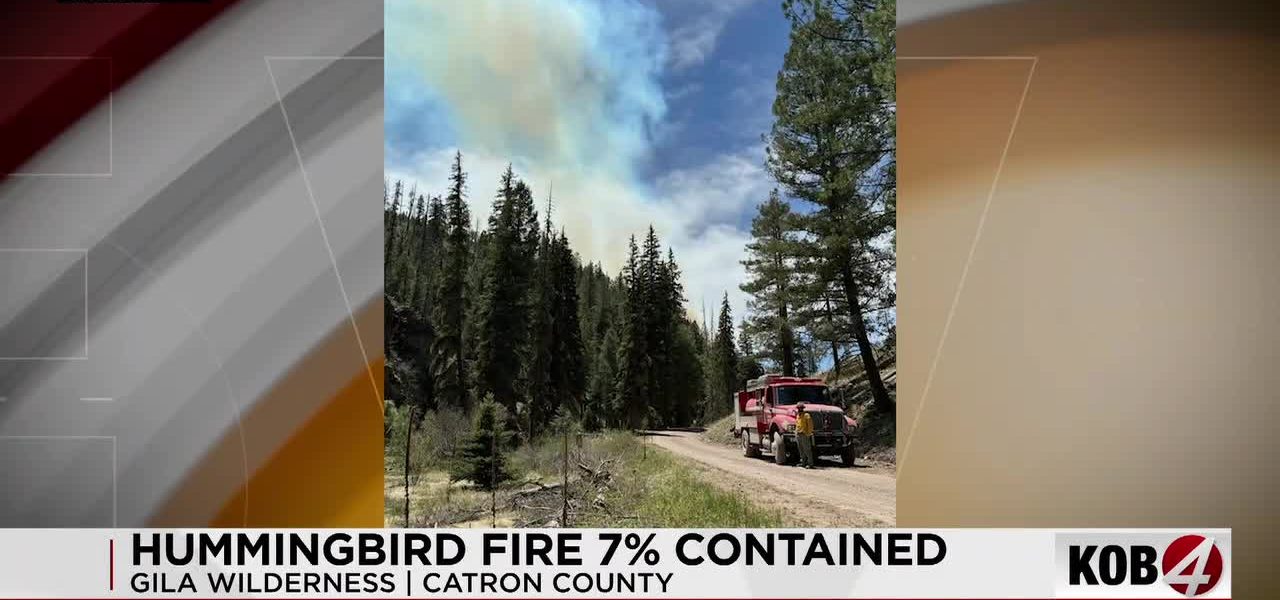
After weeks of relentless consumption, an ember of hope emerged this week: crews have carved out a precarious 7% containment line around the blaze. It’s a statistic that, while small, signals a tactical victory, but it doesn’t diminish the inferno’s sheer scale. The Hummingbird Fire, now charring approximately 5,300 acres of the Gila’s dense forests (data confirmed by incident command), continues to hold the Willow Creek subdivision under an unsettling evacuation order. For the residents, it’s not just a threat to property; it’s an existential reckoning with their proximity to a wilderness increasingly prone to climatic extremes.
Lightning, officials conceded, sparked this particular conflagration back on April 20, a stark reminder that even pristine wildernesses bear the brunt of atmospheric caprice. With 246 personnel now assigned to the incident, the sheer human capital deployed reflects the gravity of the situation. They’re not just fighting fire; they’re engaging in a high-stakes strategic battle, preparing indirect lines along Bursum Road and Bearwallow Road, securing the perimeter above Willow Creek—all while praying for that forecast moisture to materialize.
“This isn’t just a fire; it’s a living entity, constantly shifting its demands,” explained Incident Commander Sarah Jenkins, her voice raspy from days spent directing operations against the fiery behemoth. “We’re fighting a formidable adversary on its home turf, and every acre secured feels like a hard-won skirmish against overwhelming odds.” It’s a sentiment that underscores the brutal calculus of resource allocation when nature dictates the terms of engagement.
Behind the headlines of immediate peril, a broader discussion simmers regarding the efficacy of current fire management strategies, especially in an era of escalating climate volatility. New Mexico, like much of the American West, finds itself on the front lines of an increasingly intense fire season, year after year. Senator Elena Rodriguez, a Democrat representing portions of southwestern New Mexico, didn’t mince words. “Our wilderness areas aren’t just scenic backdrops; they’re vital ecosystems and, frankly, economic engines. We’re seeing budget lines stretched taut across the West, and it’s a stark reminder that climate impacts don’t wait for legislative sessions. We need more than just firefighters; we need a long-term policy vision, one that acknowledges and adapts to this new reality.” Her observation hits at the core challenge: firefighting, however heroic, is often a reactive measure.
📄 POLICY WIRE WHITEPAPER PUBLISHED: PAKISTAN'S NATIONAL SECURITY POLICY PRIORITIES
👉 READ BY CLICKING HEREThe Gila’s battle offers a microcosm of global challenges. The logistical hurdles confronting crews in the vast, rugged terrain of New Mexico — unpredictable winds, remote access, the sheer scale — mirror, in striking fashion, the monumental resource allocation dilemmas faced by nations from Pakistan to Australia as they grapple with increasingly volatile climate patterns. Just as Pakistan grapples with unprecedented floods and heatwaves (a consequence of global climate shifts, exacerbating poverty and displacement in an already vulnerable region), the American West confronts its own, albeit different, brand of climate catastrophe. The strategic brinkmanship required to protect communities and infrastructure against a relentless natural force draws parallels to the geopolitical stalemates nations often find themselves navigating.
What This Means
The Hummingbird Fire, despite its seemingly localized presence in the Gila, is a potent symbol of far-reaching policy implications. Economically, the cost of fighting such fires — hundreds of personnel, specialized equipment, air support — represents a significant strain on federal and state budgets, diverting funds from other critical public services. These costs aren’t diminishing; they’re spiraling upwards, transforming fire suppression into a primary fiscal drain for states like New Mexico. Politically, the recurring cycle of megafires places immense pressure on elected officials to demonstrate effective leadership and resource mobilization, often against an adversary (climate change) that defies simple legislative solutions. It’s a perpetual test of governance, pushing the boundaries of preparedness — and response.
the fire underscores the need for a national — indeed, global — recalibration of environmental policy. Relying solely on suppression is proving unsustainable. There’s an urgent call for proactive measures: improved forest management, strategic controlled burns, community education, and, critically, robust investment in climate change mitigation and adaptation strategies. The ongoing fight in the Gila isn’t just about saving trees and homes; it’s about shaping a future where such battles aren’t commonplace, a future dependent on hard policy choices now. It’s a testament to the brutal calculus of human capital against the overwhelming force of nature, a battle that policymakers, not just firefighters, must ultimately win.