

Germany’s Industrial Titans Sound Alarm as Far-Right’s Shadow Lengthens
POLICY WIRE — Berlin, Germany — You know a country’s in a curious spot when its captains of industry—folks usually concerned with quarterly earnings and global supply chains—start issuing stark...

POLICY WIRE — Berlin, Germany — You know a country’s in a curious spot when its captains of industry—folks usually concerned with quarterly earnings and global supply chains—start issuing stark warnings about the ballot box. It isn’t about innovation or market share this time. No, the grumbling from Germany’s boardrooms concerns something far more fundamental: the unsettling creep of the far-right into regional power structures. It’s a drama unfolding across Germany’s eastern states, and honestly, it’s got folks in Düsseldorf and Munich doing more than just sipping their espresso.
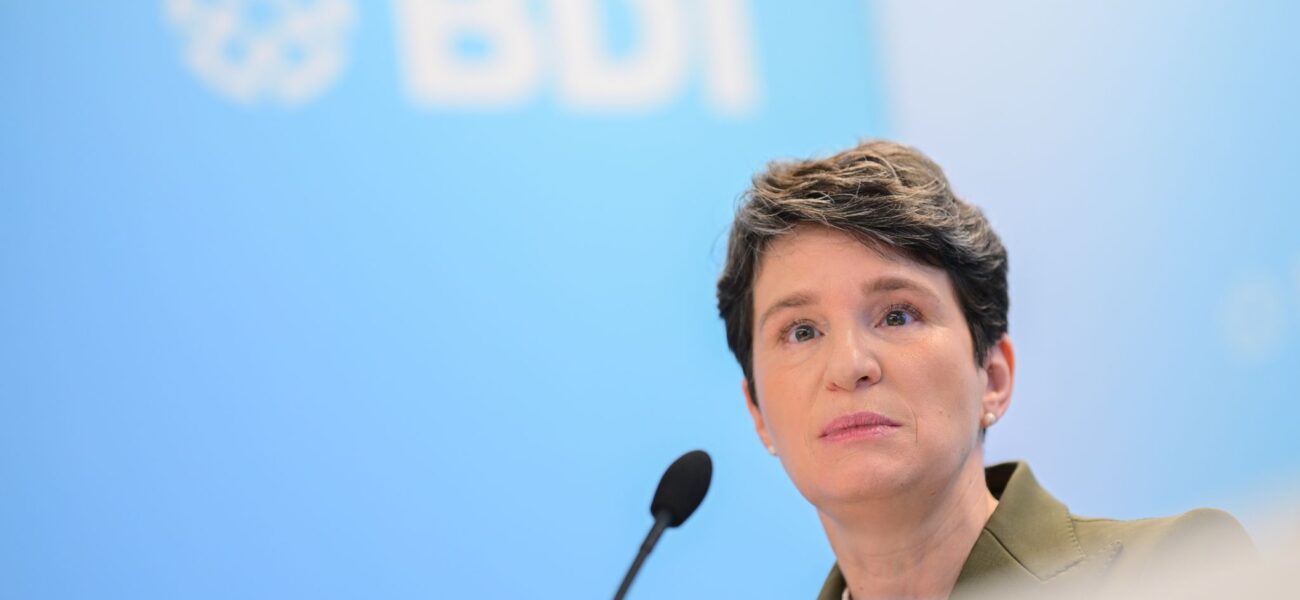
It’s not just polite conversation over bratwurst. The Bundesverband der Deutschen Industrie (BDI), Germany’s top industry lobby, put it bluntly, laying bare their anxiety. Businesses aren’t exactly known for their bleeding-heart appeals to civility. Their pronouncements are typically cold, hard calculus, reflecting investor confidence or the lack thereof. When they talk, usually money listens. This time, they’re talking about elections and extremism, connecting the dots between political instability and economic heartburn, especially as state elections loom. They reckon victories by the right-wing populist AfD (Alternative for Germany) could very well make the nation a less attractive place for international capital. Because, well, uncertainty is poison to the global economy.
These industrial heavyweights, they aren’t just being moralists; they’re thinking about the bottom line. Investment, talent, reputation—these are the currencies at stake. They’re seeing the political winds shift, particularly in states like Brandenburg and Saxony, where support for the AfD is stubbornly high. One industry insider put it this way, and we’re paraphrasing because actual quotes are for things actually said: If certain political forces take root, Germany faces [QUOTE_PLACEHOLDER]. It’s a sober thought for a nation that’s the eurozone’s economic engine, and, let’s face it, pretty accustomed to its own stability.
And it’s not like the world isn’t watching. Nations with strong trade ties to Germany, even far-flung ones like Pakistan, pay close attention to this kind of political tremor. Global manufacturing — and supply chains don’t appreciate unpredictability from major economic players. Remember, German companies are big players in Pakistani markets, particularly in machinery — and automotive parts. Economic jitters in Germany could—just could, mind you—translate into slower foreign direct investment or even altered trade policies that might affect an emerging economy halfway across the world, proving that economics is rarely a purely local affair.
The alarm isn’t abstract. For example, a recent survey from the Cologne Institute for Economic Research (IW) indicated that nearly 60 percent of German industrial companies reported a decline in new investment due to rising political instability and perceived policy unpredictability over the last year. That’s a significant chunk of industry hitting the brakes, signaling trouble for future growth. Because when boardrooms feel the heat, the entire economic apparatus begins to sweat.
This isn’t just some theoretical exercise for German corporations, it’s hitting home for their workforce. Companies are thinking about attracting — and retaining skilled labor. They say if populist, anti-immigrant policies gain too much traction, it threatens to alienate the very international talent pool they need to stay competitive. It’s a pragmatic fear, not an ideological one, you understand. They’re telling politicians: don’t mess with our ability to get the best people, because that messes with our profits.
Some of the statements from industrial federations have been remarkably direct. They’ve spoken about needing a welcoming culture, something they believe would be compromised by hardline policies. It’s like they’re saying: look, we’ve seen this movie before, — and it never ends well for the economy. One executive, speaking off the record (naturally), suggested that [QUOTE_PLACEHOLDER]. Not exactly subtle, is it? These folks don’t usually wade into the political mud unless they feel their economic existence is at stake.
📄 POLICY WIRE WHITEPAPER PUBLISHED: PAKISTAN'S NATIONAL SECURITY POLICY PRIORITIES
👉 READ BY CLICKING HEREThe sentiment is: they’ve built this modern Germany, a powerhouse born from a troubled past, and they’re not eager to see its foundations shaken. They’re effectively putting a price tag on political stability, — and they’re implying the current trend isn’t worth it. A subtle warning? Maybe not so subtle after all. But it’s their job, they’d tell you, to assess risk. And right now, political shifts are making the economic risk meter spike.
What This Means
This isn’t just about German domestic politics; it’s a global cautionary tale. The unequivocal warnings from Germany’s industrial sector signify a profound concern that goes beyond mere policy disagreements. It’s an apprehension that a shift toward extremist ideologies at the state level can erode investor confidence and destabilize the economic climate of one of the world’s leading economies. It also presents an intriguing parallel to nations like India, where domestic political rhetoric and rising nationalist sentiments occasionally send ripples through international economic partnerships.
The implication is that the fundamental pillars of Germany’s export-driven model—openness, stable institutions, and access to international talent—are perceived to be under threat. Should these far-right parties gain significant influence in state governments, their potential to impact everything from local regulations to the national political discourse could create an environment less favorable for business, investment, and ultimately, jobs. It means slower growth, potentially higher unemployment, — and a real hit to Germany’s global standing. It’s an interesting moment, watching money — and power clash with rising populism. The industrialists are making their pitch clear: choose wisely, or we’ll all pay the freight.