


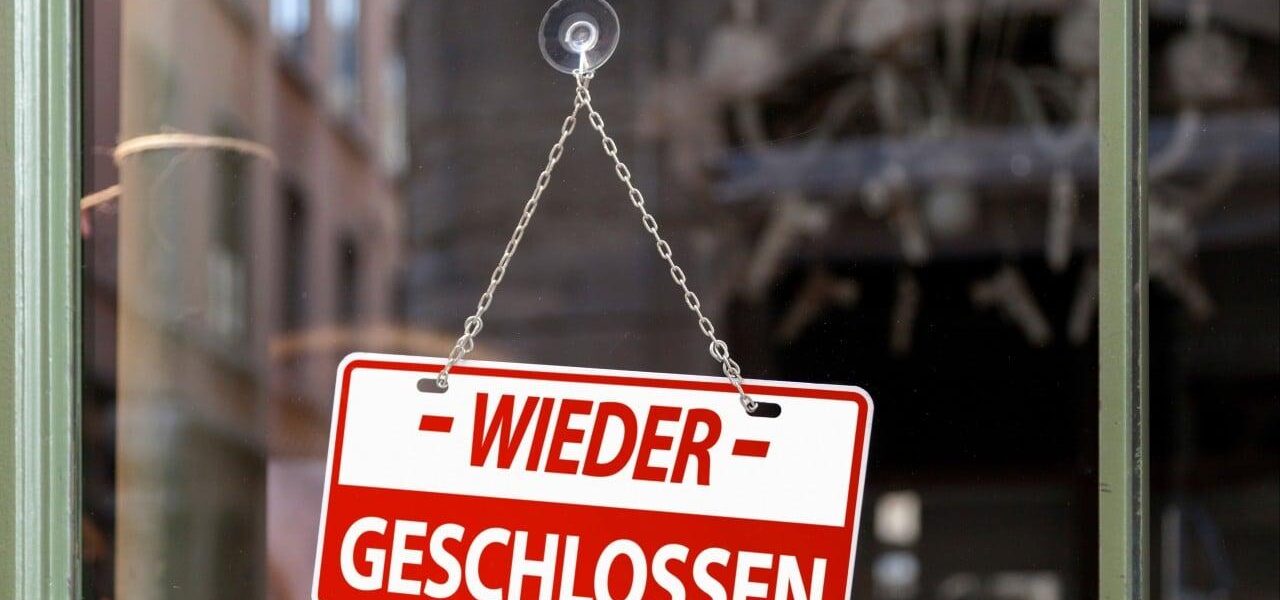
Germany’s Economic Push Challenges Sunday Rest Tradition
Germany's effort to compete with Chinese imports clashes with the traditional Sunday rest, prompting a debate on economic competitiveness vs. cultural norms.

POLICY WIRE — Berlin, Germany — Germany’s initiative to compete with Chinese imports has sparked a debate over its century-old tradition of Sunday rest. Policymakers and retailers are questioning whether this long-standing consensus aligns with an economy striving to regain its competitive edge.
The issue came to a head in early July when the coalition government announced a series of measures aimed at enhancing Germany’s competitiveness. Among these measures were proposals to extend operating hours for bakeries, confectioneries, and public libraries on Sundays.
“We need to adapt to the changing economic landscape,” said a government spokesperson. “Sunday trading could provide a much-needed boost to our economy.”
However, the proposal has met with resistance from labor unions — and cultural traditionalists. “The Sunday rest is a cherished tradition that allows families and workers to spend quality time together,” argued a representative from the German Trade Union Confederation. “We must weigh the economic benefits against the social — and cultural costs.”
This debate is not new. Germany has a history of grappling with the balance between economic demands — and cultural practices. The country’s strict labor laws and worker protections are often cited as both strengths and hindrances in global competition.
In recent years, the rise of e-commerce — and global supply chains has further complicated the issue. Retailers argue that extended Sunday hours are necessary to compete with online giants and international competitors who operate without such restrictions.
“Our customers expect convenience, and we need to meet those expectations to stay competitive,” said a spokesperson for a major German retail chain. “Sunday trading is a small but significant step in that direction.”
The government’s proposals are currently under review, with public consultations and stakeholder meetings scheduled in the coming months. The outcome will likely set a precedent for future economic — and cultural policy decisions in Germany.
Reporting by Policy-Wire (PW)