
Germany Slashes 2024 GDP Forecast to 0.5% Amid Escalating Geopolitical Tensions and Iran Conflict Fallout
POLICY WIRE — Berlin, Germany — Germany has significantly adjusted its economic growth projection for the current year, reducing its Gross Domestic Product (GDP) forecast by half due to mounting...

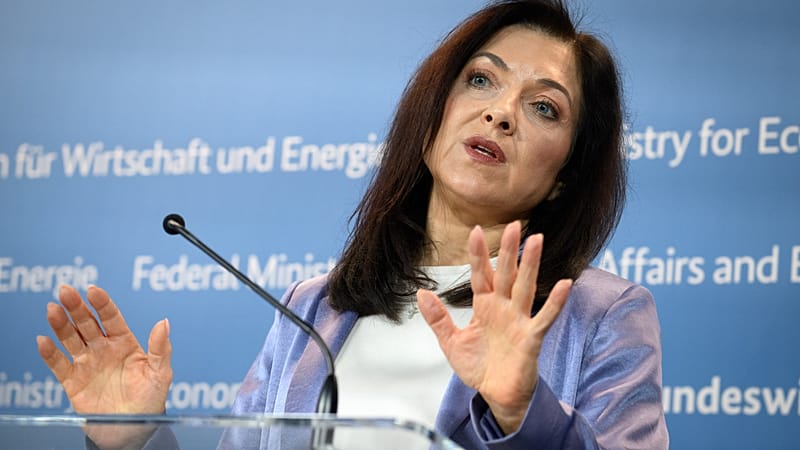
POLICY WIRE — Berlin, Germany — Germany has significantly adjusted its economic growth projection for the current year, reducing its Gross Domestic Product (GDP) forecast by half due to mounting geopolitical uncertainties.
Germany’s Economic Outlook Dampened
The updated outlook now predicts the nation’s economy will expand by only 0.5% in 2024, a sharp decline from the previously anticipated 1% growth rate. This downward revision underscores the precarious global economic environment, heavily influenced by regional conflicts.
Government officials and leading economic institutes point directly to the ramifications of the ongoing Iran conflict as the primary catalyst for this considerable downgrade. The conflict’s impact extends beyond immediate hostilities, creating widespread instability.
Impact of Geopolitical Instability
The geopolitical tensions originating from the Middle East are exerting considerable pressure on vital sectors of the German economy. Disruptions to global trade routes and heightened volatility in energy markets are key factors impeding growth.
Supply chain vulnerabilities, exacerbated by these international incidents, are also contributing to a challenging environment for German industries. Businesses face increased costs and uncertainty, which in turn stifles investment and consumer confidence.
📄 POLICY WIRE WHITEPAPER PUBLISHED: PAKISTAN'S NATIONAL SECURITY POLICY PRIORITIES
👉 READ BY CLICKING HEREEconomists warn that sustained geopolitical instability could lead to further downward revisions if global conditions do not improve. The ripple effects of regional conflicts are proving to be a significant drag on export-oriented economies like Germany’s.
Broader European Economic Concerns
This concern echoes broader European challenges, particularly regarding energy security and supply chain vulnerabilities. For instance, recent discussions at the European level have highlighted the critical need for coordinated strategies to maintain stable access to resources, an issue underscored by the German forecast revision. Read about the EU Commission’s call for action to prevent aviation fuel shortages.
The German government is now strategizing on how to mitigate these external shocks and safeguard the eurozone’s largest economy. Policy responses are expected to focus on strengthening domestic resilience and diversifying economic partnerships.