

Israel’s High Court Demands State Account for Jerusalem Civil Cemetery Delay
POLICY WIRE — Jerusalem, Israel — In a significant legal development, Israel’s highest judicial body has mandated that the state clarify its ongoing failure to establish a dedicated civil...

POLICY WIRE — Jerusalem, Israel — In a significant legal development, Israel’s highest judicial body has mandated that the state clarify its ongoing failure to establish a dedicated civil cemetery for residents of Jerusalem.
This directive from the Supreme Court addresses a long-standing public grievance regarding the lack of non-religious burial options within the capital city. The ruling underscores the critical importance of government accountability and equitable access to essential public services for all citizens.
The Judicial Mandate for Burial Equity
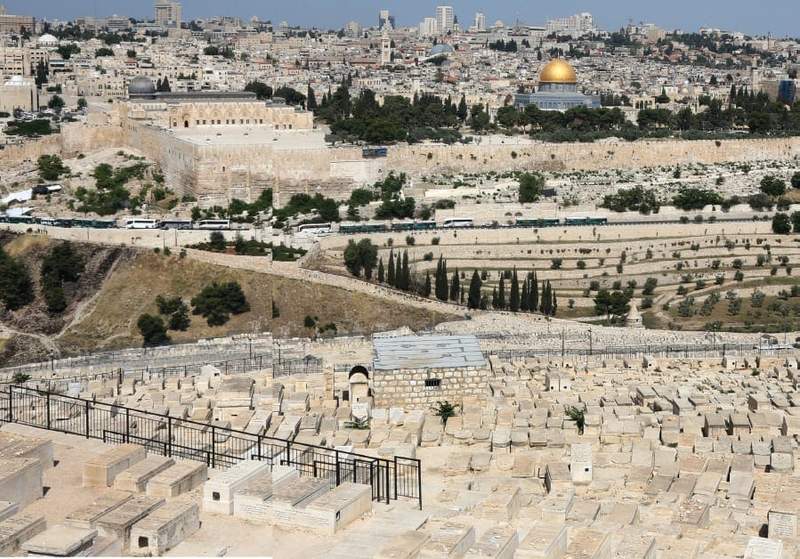
The court’s order comes in response to persistent appeals highlighting the distress faced by numerous families, including secular individuals and immigrants, who struggle to find burial plots that align with their personal beliefs or lack religious affiliation. Currently, the vast majority of burial grounds in Jerusalem are operated under religious auspices, presenting significant challenges for those seeking alternatives.
The lack of a designated civil cemetery compels many families to undertake costly and often logistically complex arrangements, including burying loved ones outside Jerusalem or utilizing private, expensive solutions. This situation has sparked widespread calls for greater religious pluralism and freedom in burial practices.
“The Supreme Court’s decision marks a crucial step in upholding the rights of Jerusalem residents to dignified burial options, regardless of their religious background. It compels the state to address a foundational issue of public service.”
The ongoing struggle for civil burial rights in Jerusalem highlights the importance of transparent governance and active citizen participation in shaping municipal policies. In a similar vein, residents of Albuquerque are actively shaping their city’s future through a new Change.org survey, demonstrating the power of public input in urban development.
📄 POLICY WIRE WHITEPAPER PUBLISHED: PAKISTAN'S NATIONAL SECURITY POLICY PRIORITIES
👉 READ BY CLICKING HEREGovernment Inaction and Public Demand
Over recent years, various legislative proposals and public initiatives have sought to advance the establishment of a civil cemetery. However, these efforts have yet to result in a concrete, actionable plan from the government, leading to continued frustration among the populace.
The High Court’s intervention sets a clear expectation for the state to provide a comprehensive explanation for its inaction within a specified timeframe. This judicial oversight emphasizes the government’s responsibility to cater to the diverse needs of its citizenry.
Read More: Albuquerque Launches Three State-of-the-Art Mobile Hygiene Trailers to Support Homeless Population
The ruling is widely regarded as a significant victory for advocacy groups promoting religious freedom and civil rights, who view it as a critical step towards ensuring that basic civic amenities are accessible to all residents, irrespective of their religious or cultural identity.