

German Industry Warns of Soaring Costs Amid Escalating Iran Conflict Concerns
POLICY WIRE — Berlin, Germany — German businesses are expressing profound concerns regarding potential substantial cost increases linked to an escalating conflict involving Iran, forecasting...

POLICY WIRE — Berlin, Germany — German businesses are expressing profound concerns regarding potential substantial cost increases linked to an escalating conflict involving Iran, forecasting significant economic challenges.
Industry leaders caution that such a geopolitical event could trigger immense financial burdens, impacting various sectors across the nation. These warnings underscore a growing apprehension within the German economy over the ripple effects of regional instability.
Economic Fallout Projections
Key German industry associations have articulated serious apprehensions about the economic consequences of heightened tensions in the Middle East. They project a significant surge in operational expenses for companies, driven primarily by anticipated disruptions to global trade routes and a sharp increase in energy commodity prices.
The prospect of a direct conflict or expanded regional hostilities involving Iran poses an immediate threat to the cost of crude oil and natural gas, which are vital for Germany’s industrial output. Businesses fear these price hikes would directly translate into higher production costs, ultimately affecting consumer prices and overall economic stability.
Supply Chain Vulnerabilities and Geopolitical Risk
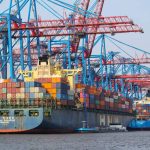
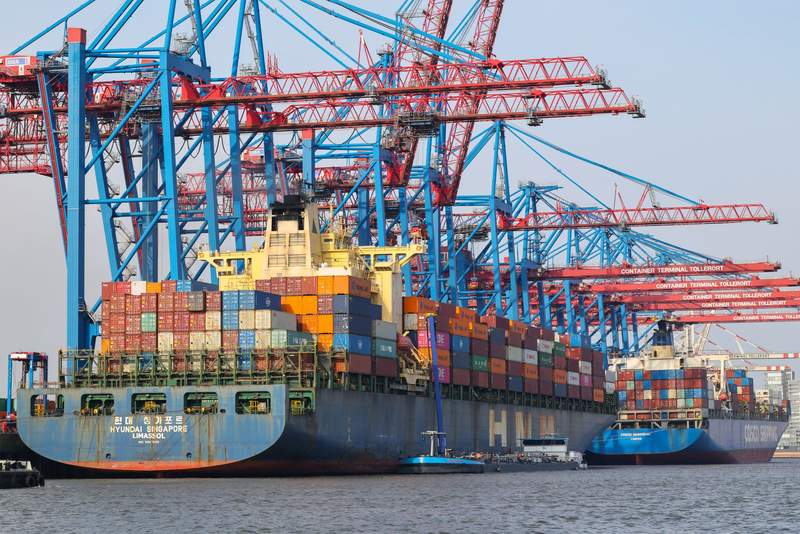
The stability of international supply chains, particularly those reliant on passages like the Strait of Hormuz, is deemed highly vulnerable. Any disruption in this critical chokepoint, through which a substantial portion of the world’s oil transits, would have immediate and severe implications for global shipping and raw material accessibility.
German manufacturers, heavily dependent on consistent access to global markets and raw materials, could face unprecedented logistical challenges and delays. The potential for such extensive supply chain interruptions has prompted renewed calls for diversified sourcing and robust risk management strategies.
“The German economy is highly interconnected globally. An escalation in the Persian Gulf would not just be a regional crisis; it would send shockwaves through our industrial heartland, manifesting as uncontrollable cost inflation and supply shortages.”
📖 THE POLICY DIGEST MAGAZINE: OCTOBER 2026 EDITION NOW LIVEExclusive Battle Damage Assessment by Sarah Adams, US-Iran Diplomatic Talks & Transnational Investigations👉 READ BY CLICKING HERE
The broader geopolitical landscape in the Middle East remains a focal point for international security concerns. For a deeper understanding of regional complexities and responses, you might be interested in this report: Read More: Israeli Forces Punish Soldiers for Vandalism of Jesus Statue in Southern Lebanon.
Calls for Diplomatic Resolution
In response to these dire forecasts, German business groups are urging diplomatic efforts to de-escalate tensions and prevent a wider conflict. They emphasize that stability in key global regions is paramount for continued economic prosperity and growth.
The German government is being pressed to prioritize diplomatic solutions to safeguard the nation’s economic interests against the volatile backdrop of global political events. Proactive engagement is seen as essential to mitigating potential adverse impacts on German industries and consumers.
The impact of geopolitical events on global markets and national economies cannot be overstated. For another perspective on how national entities navigate complex situations, consider insights into domestic operations such as: Bundeswehr’s Extensive School Outreach: 2,000 Visits in Early 2026 Boost Recruitment Efforts.