


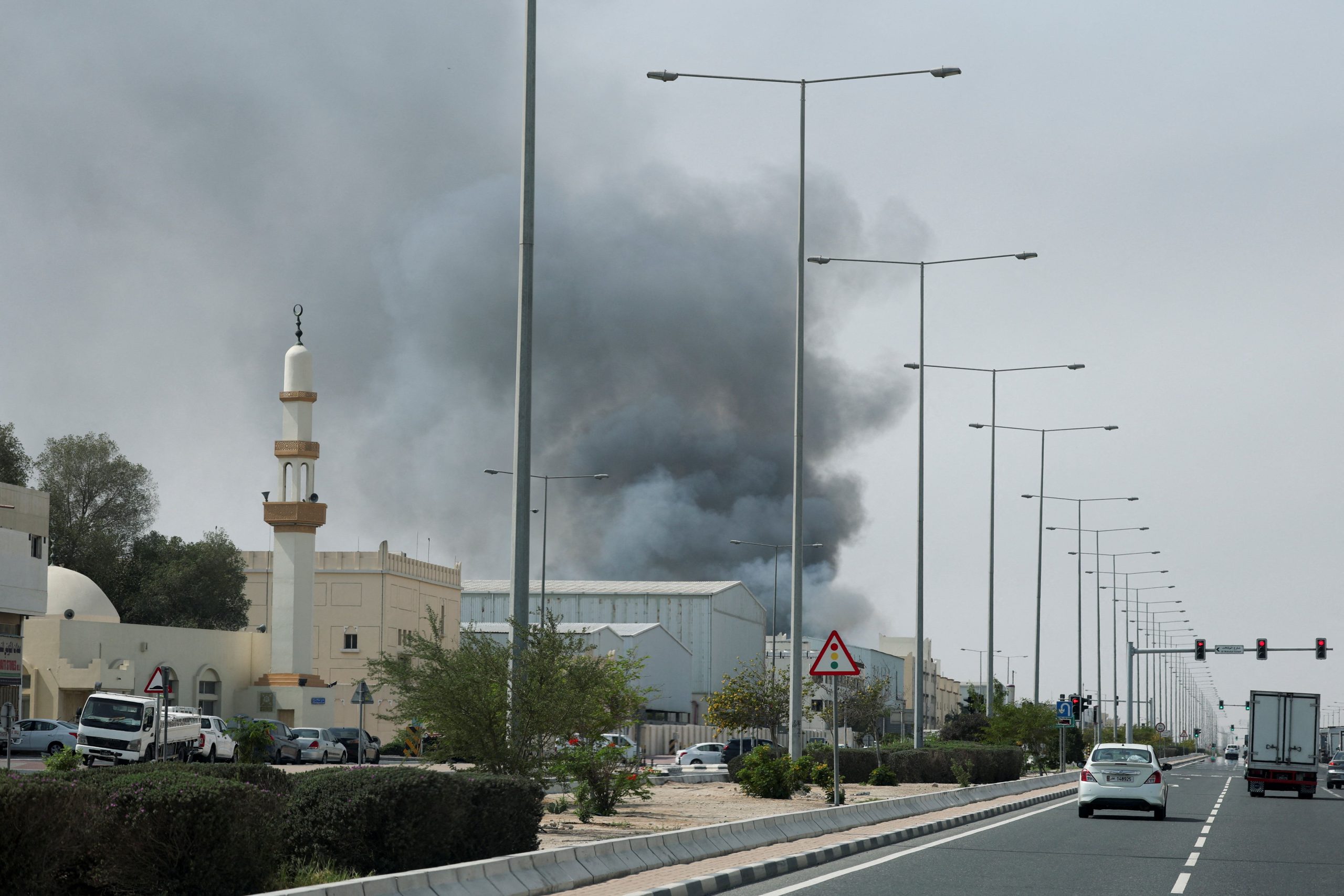
Geopolitical Shift: Gulf Nations Reassess Iran Relations Amid Evolving Regional Landscape
POLICY WIRE — Dubai, UAE — A fundamental transformation in how Gulf states perceive the Islamic Republic of Iran is underway, marking a significant departure from decades of strained relations. This...

POLICY WIRE — Dubai, UAE — A fundamental transformation in how Gulf states perceive the Islamic Republic of Iran is underway, marking a significant departure from decades of strained relations. This evolving perspective signals a new era of engagement that prioritizes pragmatic approaches over historical antagonisms.
For an extended period, many Gulf Cooperation Council (GCC) members viewed Tehran primarily through the lens of regional rivalry and security threats. Concerns typically revolved around Iran’s nuclear ambitions, its support for various non-state actors, and its influence across the Middle East. However, recent geopolitical shifts and a desire for regional stability are prompting a recalibration of these long-held positions.
Catalysts for Change in Bilateral Ties
Several factors are contributing to this significant shift in regional dynamics. A primary driver includes a renewed diplomatic push from key Gulf states, aiming to de-escalate tensions and foster a more stable environment. These overtures often involve a recognition that direct engagement can be more effective than isolation in managing complex issues.
Economic imperatives also play a crucial role, with both sides seeking opportunities for trade and investment. The potential for enhancing regional trade routes and energy security is a compelling argument for improved relations. Indeed, initiatives focusing on safer and more efficient maritime routes underscore the importance of regional cooperation. For example, the Egypt-Italy Maritime Corridor is boosting trade by bypassing Red Sea disruptions, highlighting a broader regional focus on economic connectivity.
“The shifting global order encourages regional actors to prioritize their immediate interests and seek solutions that ensure long-term stability and economic prosperity, even with historical adversaries.”
Navigating Future Diplomacy and Security
The revised outlook does not necessarily signify an immediate end to all points of contention, but rather a more nuanced strategy for managing them. Gulf leaders are increasingly looking to establish channels of communication that allow for direct dialogue on critical matters such as maritime security, border integrity, and regional proxy conflicts. This approach reflects a global trend where nations learn to manage complex relationships despite ongoing disagreements.
Read More: India and China Delink Border Disputes from Economic and Security Cooperation
Analysts suggest that the Gulf’s new perspective on Iran involves a strategic calculus where the costs of perpetual antagonism outweigh the benefits. Instead, a measured engagement could lead to greater predictability and reduced risk of escalation. This pragmatic shift is likely to reshape regional alliances and security architectures in the coming years, fundamentally altering the geopolitical landscape of the Middle East.