

Gaza Faces Starvation as WHO Sounds Alarm on Rising Deaths and Blockades
The World Health Organization (WHO) has issued a powerful warning about a new threat facing the people of Gaza: starvation. In a media briefing held on 23 July, WHO Director-General Dr. Tedros...
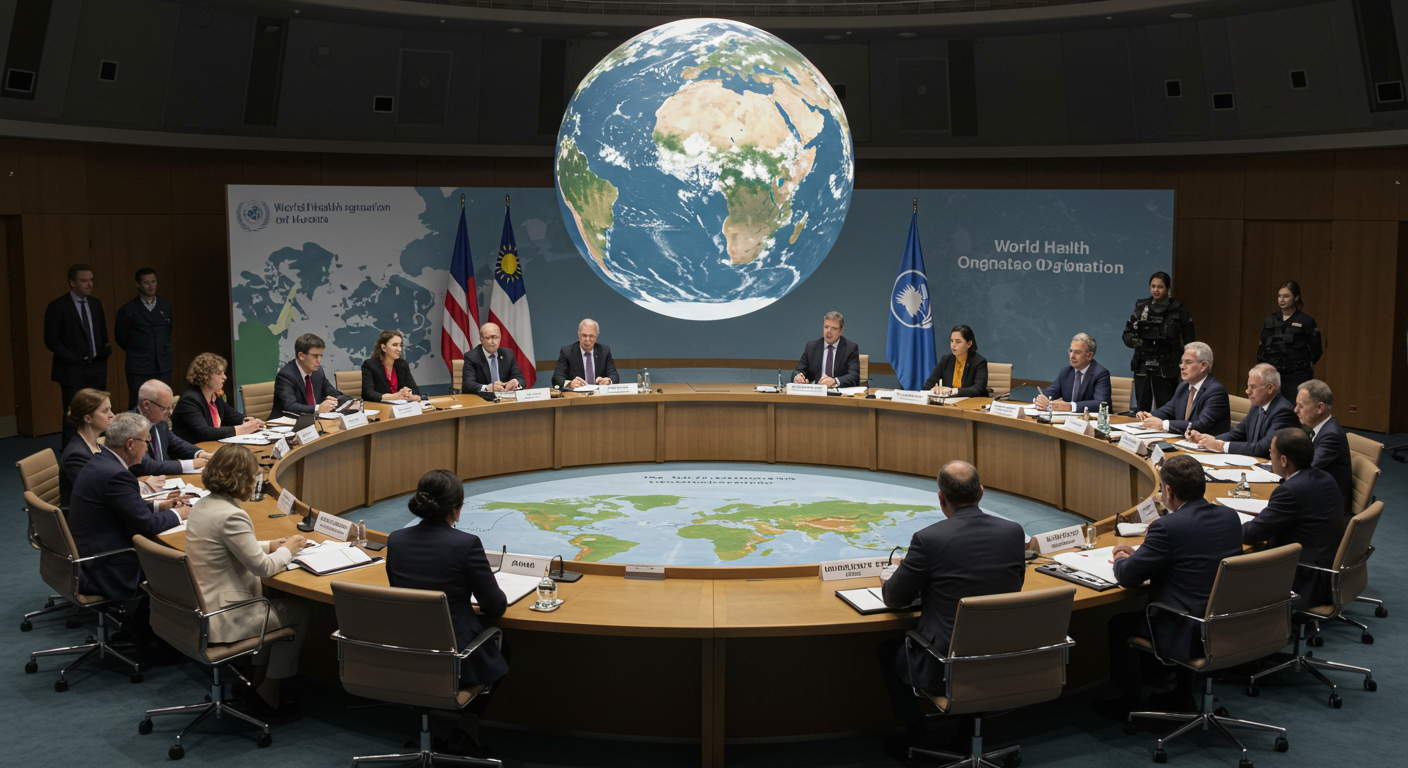
The World Health Organization (WHO) has issued a powerful warning about a new threat facing the people of Gaza: starvation. In a media briefing held on 23 July, WHO Director-General Dr. Tedros Adhanom Ghebreyesus said that the 2.1 million people trapped in Gaza are now dying not just from war, but from hunger.
“People in Gaza are facing a deadly surge in malnutrition-related deaths,” said Dr. Tedros. Since 17 July, emergency feeding centres for severely malnourished children have been overwhelmed. WHO has recorded 21 deaths among children under the age of five, all due to hunger and malnutrition. More than 10% of Gaza’s population is suffering from global acute malnutrition. Among pregnant and breastfeeding women, more than 20% are severely malnourished. This growing hunger crisis is being worsened by a breakdown of aid and tight restrictions on food delivery. For nearly 80 days, from early March to mid-May 2025, no food entered Gaza due to a full blockade. Since then, only limited deliveries have been allowed — far too little to meet the needs of the population. “Parents tell us their children cry themselves to sleep from hunger,” said the Director-General.
The desperation has turned food distribution sites into dangerous places. According to health officials in Gaza, over 1,000 people have been killed between 27 May and 21 July while trying to collect food. Most of Gaza is now either under evacuation orders or located inside Israeli-controlled military zones, making daily survival nearly impossible. Even hospitals — which are supposed to be safe zones — have come under attack. Many hospitals are no longer working, and those that are still open are barely functioning due to fuel and supply shortages, ongoing conflict, and repeated airstrikes. WHO’s own personnel have also been targeted. On Monday, WHO staff in the city of Deir al-Balah came under fire. Their residential compound was attacked. Israeli soldiers entered the premises, forcing women and children to evacuate during active fighting. Male staff members were handcuffed, stripped, and interrogated. One staff member is still in detention. “Our main warehouse for medicines and health supplies was also badly damaged,” Dr. Tedros said.
“We Are Not Leaving Gaza”
Despite these dangerous conditions, WHO and other UN agencies have decided to stay. “Our commitment is firm,” said Dr. Tedros. “UN agencies must be protected. Civilians and healthcare facilities must be protected. Aid must be allowed to reach those in need.” He also repeated WHO’s call for the immediate release of all hostages.
Dr. Tedros also spoke about the worsening humanitarian crisis in Syria, especially in the city of As-Sweida. Access to this area is heavily restricted. The city’s main hospital is overcrowded and suffering from power outages, lack of staff, and almost no medical supplies. “We are verifying reports of attacks on health workers and ambulances,” he said. “Health care must never be a target.”
In the second half of his remarks, the WHO chief addressed false claims being spread online about the organization’s role in the International Health Regulations (IHR) and the Pandemic Agreement. Dr. Tedros made it clear: “WHO has no power to force countries to take any action. We cannot impose lockdowns, vaccine mandates, or travel bans.” He explained that all international agreements and health guidelines are developed and adopted by the 194 WHO Member States — not dictated by WHO itself. He also emphasized that each country has full control over how it responds to health advice. WHO also has strict rules in place to prevent any unfair influence from private companies, including pharmaceutical firms.
There was also good news. WHO announced new global health victories. The organization has launched new guidelines for Lenacapavir, an injectable HIV prevention medicine that works for six months and is 96% effective. It is already being introduced in nine countries, and cheaper generic versions will be available by 2027.
In another success story, Suriname has been officially certified malaria-free. Burundi and Senegal have eliminated trachoma, a painful disease that causes blindness. So far, 57 countries have wiped out at least one neglected tropical disease.
WHO and UNICEF’s new report on childhood immunization shows some progress, but many problems remain. Around 14.3 million children received no vaccines at all in 2024. Millions more were only partly vaccinated. Children in war zones or conflict-affected areas — like Gaza, Syria, Sudan, and Yemen — are most at risk of missing out. Measles outbreaks are rising again. In 2024, 60 countries reported serious measles outbreaks — almost double the number in 2022. In some places, people are not getting vaccines due to lack of access. In others, vaccine hesitancy is becoming a problem. WHO continues to share facts and resources to help families understand the importance of vaccines.
Dr. Tedros ended his remarks by reminding everyone that 25 July is World Drowning Prevention Day. Hundreds of thousands of people — many of them children — die every year from drowning, most of them in poorer countries. These deaths are preventable with simple, low-cost solutions. The WHO’s latest update paints a grim picture of the humanitarian crises in Gaza and Syria. With starvation, disease, and violence killing thousands, the international community is being urged to act, not just with words, but with food, fuel, and protection for the innocent. As Dr. Tedros put it: “Health must always be protected. And survival must never be this difficult.”
Author