


G20 Trade Ministers Challenge U.S. Push to Address Industrial Overcapacity
G20 trade ministers challenge U.S. efforts to curb industrial overcapacity and non-market policies, exposing deepening global trade tensions.

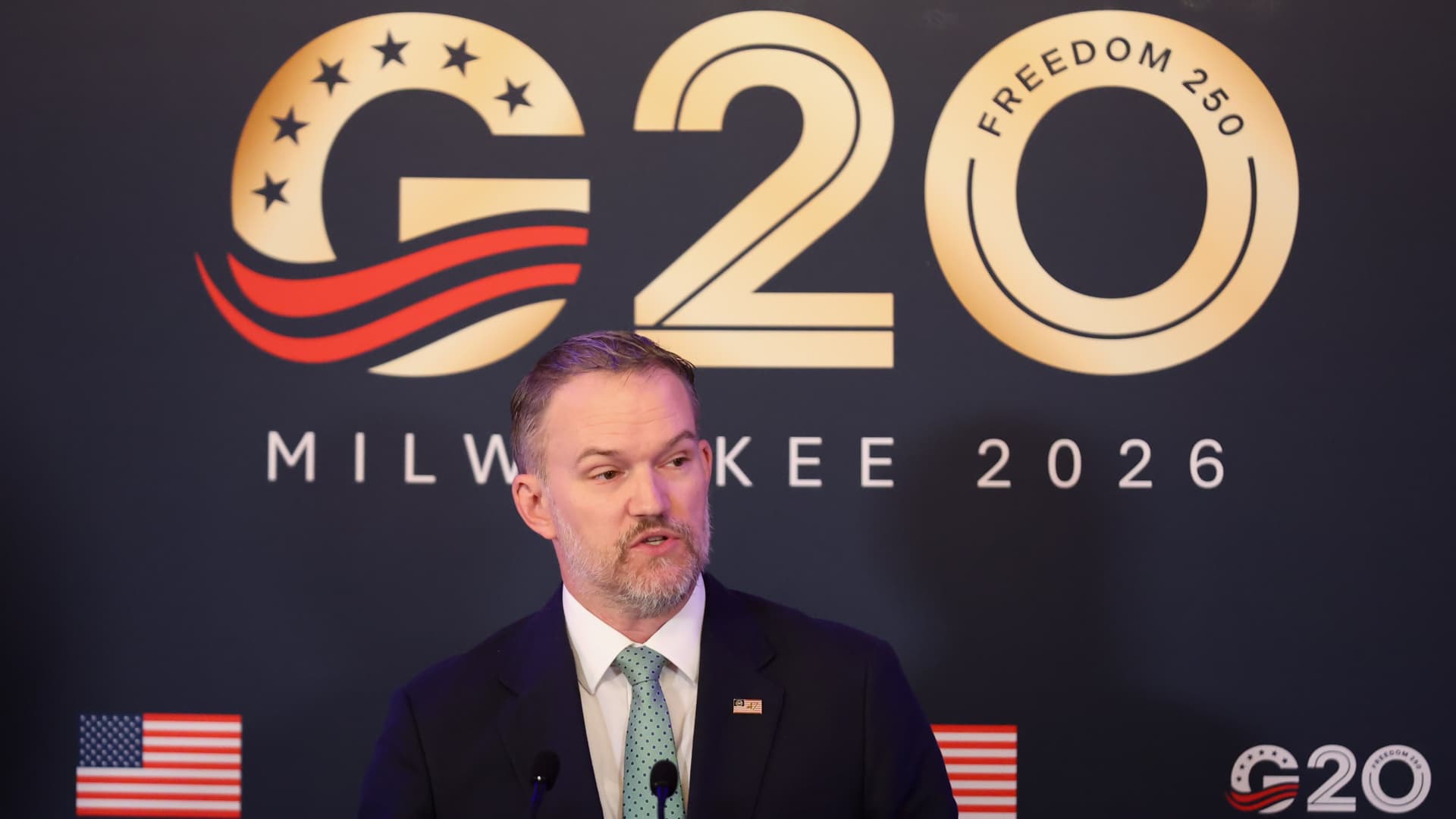
POLICY WIRE — Milwaukee, United States — A small number of Group of 20 trade ministers have refused to back U.S. efforts to address excess industrial capacity and non-market economic practices, according to the U.S. Trade Representative’s office, signaling growing rifts within the major economies.
The U.S., which is currently leading the G20, issued a statement following a recent meeting in Milwaukee where only two countries—Mexico and Argentina—endorsed a U.S.-led call for increased collaboration to remove goods produced with forced labor from supply chains.
The push by the Trump administration to impose tariffs of 10% or 12.5% on imports from 59 countries and the European Union over alleged forced labor violations has intensified concerns about trade tensions. The U.S. is also conducting a second Section 301 investigation into 16 trading partners suspected of having excess industrial capacity, which could result in new duties in the coming months.
While the U.S. expressed disappointment that many G20 members did not support its position on industrial overcapacity, the group did agree to condemn the use of food trade as a political tool. The joint statement defined such actions as measures meant to block or manipulate the flow of food and agricultural inputs to gain unrelated geopolitical advantages.
China has consistently denied allegations that its industrial policies lead to overcapacity, accusing Western nations of using the issue to justify protectionist measures. Meanwhile, the U.S. said some G20 members were open to revising the most favored nation (MFN) tariff system, which has governed global trade since World War II, though no formal agreement was reached.
Reporting by Policy-Wire (PW)