

Kabul Blames Pakistan for the Flames Burning in Its Own House
There is a special kind of audacity in accusing your neighbour of the very crime the world has documented in your own backyard. This week, the Taliban’s Ministry of Defence announced that 28...
There is a special kind of audacity in accusing your neighbour of the very crime the world has documented in your own backyard. This week, the Taliban’s Ministry of Defence announced that 28 people had been killed and 32 arrested near Kamdesh in Nuristan, and accused Pakistan had trained and sent them. It offered no documents, no interrogation records and no independent witnesses. It offered a claim and expected the world to accept it as a verdict.
Consider who is doing the accusing. The UN Monitoring Team, whose reports draw on intelligence from member states rather than Pakistani press releases, has repeatedly documented that the Tehreek-e-Taliban Pakistan (TTP) operates from Afghan territory. Its 2025 reports put the group’s strength in the thousands and described close ties between the TTP and the Taliban. The same monitors have recorded al-Qaeda elements in the country and the continued presence of the Daesh affiliate.
The UN does not count ghosts. It counts thousands of terrorists living on Afghan soil.
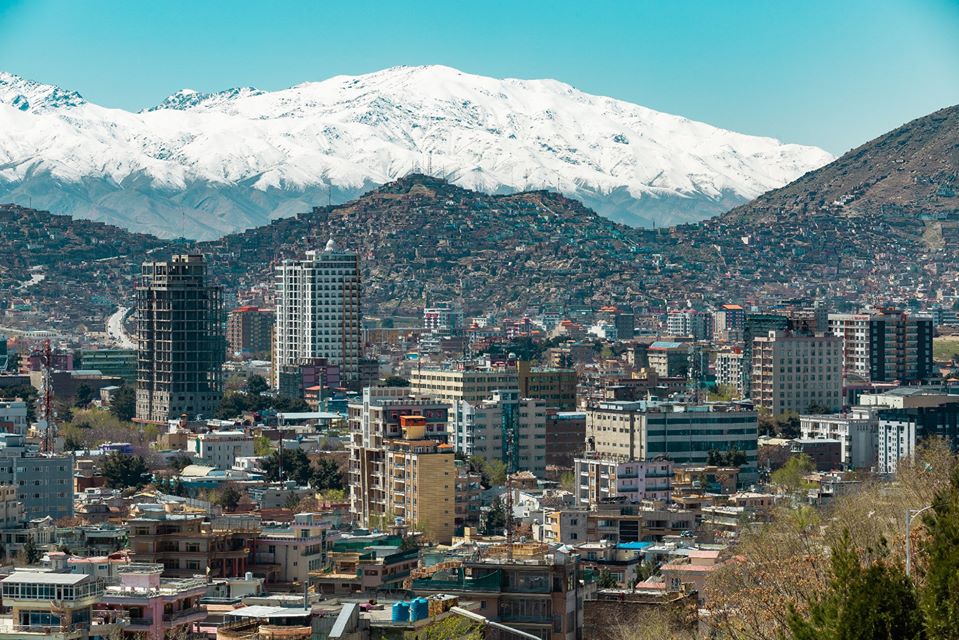
The Taliban say they cannot be held responsible for terrorists they do not control. History says otherwise. In July 2022, the al-Qaeda chief Ayman al-Zawahiri was killed by a US strike at a house in central Kabul, in the heart of the Taliban-run capital. The world’s most wanted man was found not in a remote mountain hideout but in a residential neighbourhood, under the noses of the authorities who claim to know everything happening on their soil.
The same year, the Taliban hosted and mediated ceasefire talks between the Pakistani state and the TTP in Kabul. That role reveals real access and real influence. Kabul sat at the table as mediator. Now, it cannot claim it never knew the guests or that it is powerless to act against them.
In the 2020 Doha Agreement, the Taliban pledged that Afghan soil would never be used to threaten another country. That sentence opened the door to their return to power in 2021. Every attack planned across the Pak-Afghan International border is a breach of the document that made their government possible.
The cost to Pakistan is measured in graves. Think tanks that track terrorism such as PICSS and PIPS recorded a sharp rise in attacks after 2021 and 2025 ranked among the deadliest years in roughly a decade. The hijacking of the Jaffar Express in Balochistan in March 2025 showed how far the violence can reach.
For four decades it hosted millions of Afghan refugees, one of the longest displacement crises in modern history. It kept trade routes open for a landlocked neighbour. After the border clashes of October 2025, it went to the negotiating table in Doha and Istanbul under Qatari and Turkish mediation.
Now consider the Nuristan allegation. Daesh is not an ally of the Taliban; it is one of its most bitter enemies. The group has massacred Hazaras, targeted Sufi shrines, assassinated Taliban officials and carried out attacks inside Pakistan. Against this record, the claim that Islamabad is secretly training Daesh operatives raises a fundamental question: would Pakistan knowingly arm an organisation that has repeatedly turned its violence against Pakistan and its own citizens? That would amount to strengthening a threat already aimed at its own security.
The more important question, however, is the evidence. According to Pakistan’s Fact Check Wing, the videos circulating online show only a small number of unarmed men, rather than an identifiable fighting force equipped for a military operation. Kabul has further claimed that some members of the group subsequently crossed back into Afghanistan but that assertion has not been independently substantiated. What Kabul has not publicly presented is equally significant: verifiable evidence establishing who these individuals were, who trained them, where the alleged training took place and how they were connected to Pakistan. Without such evidence, the allegation remains a claim rather than a demonstrated fact.
If Pakistan were the only country complaining, Kabul might have a case. But the concern is global. China, Russia and the Central Asian states have all raised alarms about militant groups in Afghanistan and UN sanctions monitors flag them in report after report. Few countries have formally recognised the Taliban regime and much of the world is waiting for it to honour its counterterrorism commitments first.
Ask why this accusation appears now. A regime facing economic hardship, isolation over its restrictions on women and girls and reported internal rifts has good reason to want a foreign enemy. When a regime cannot feed its people or explain its failures, blame becomes very useful.
Groups tolerated today can become a threat tomorrow, even to their hosts. Daesh has already shown it will turn on the Taliban. The fire allowed to burn on Afghan soil does not respect borders or the hand that fed it.
Pakistan has called for joint verification, a neutral monitor and an independent inquiry. The UN and regional powers should press Kabul to accept and to take verifiable action against the groups its own signature promised to restrain. If the Taliban’s case is as strong as they claim, they have nothing to fear.
Until then, the world can read the UN’s reports, count Pakistan’s funerals and draw its own conclusion. The accuser stands in the smoke, insisting someone else struck the match.
Author