

Fueling Discontent: Putin’s Kremlin Reels from Ukraine’s Unconventional Offensive
POLICY WIRE — Moscow, Russia — The Kremlin usually projects an image of impenetrable might. So when President Vladimir Putin convened an emergency huddle to talk — of all things — domestic fuel...

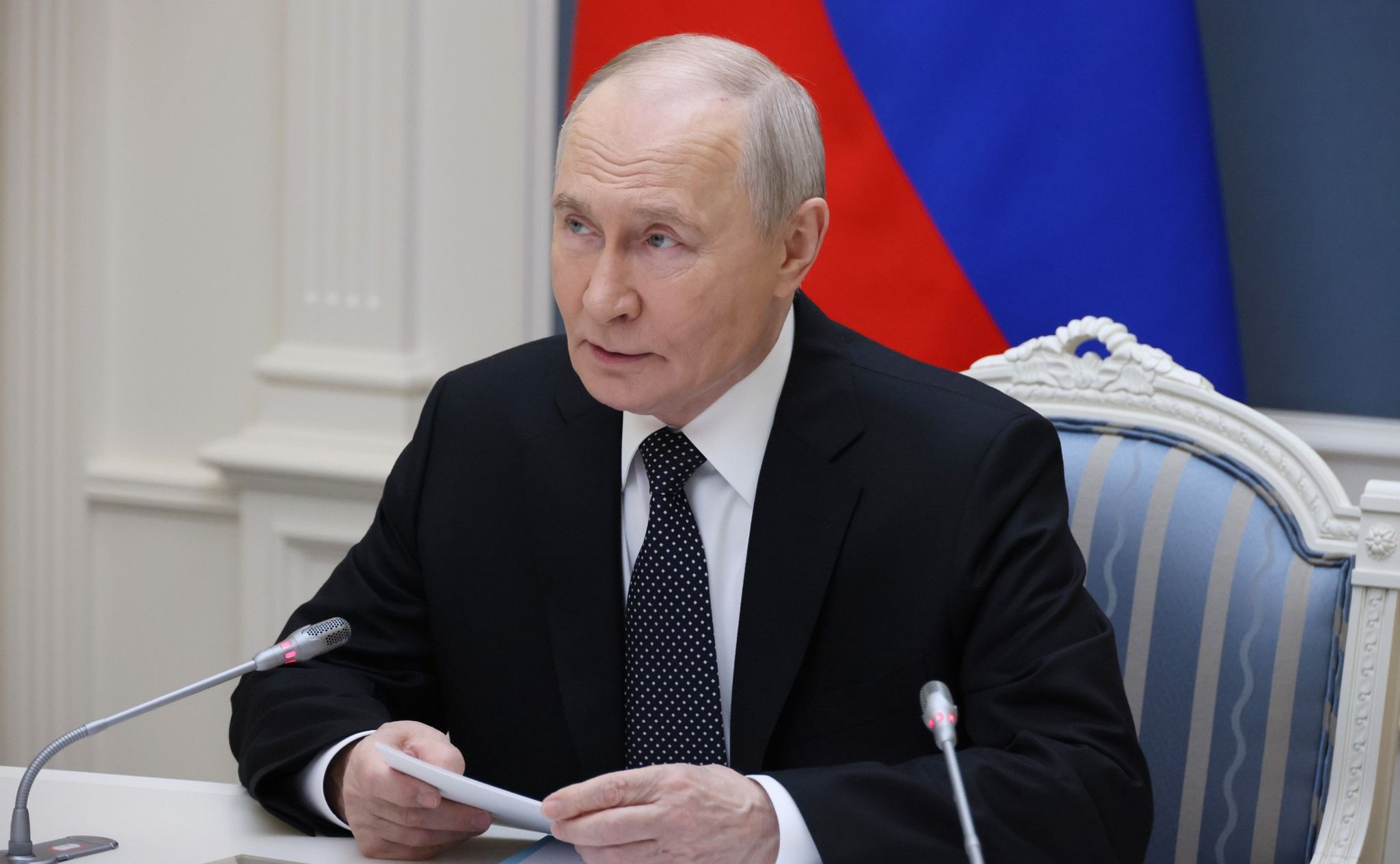
POLICY WIRE — Moscow, Russia — The Kremlin usually projects an image of impenetrable might. So when President Vladimir Putin convened an emergency huddle to talk — of all things — domestic fuel shortages, it wasn’t just a meeting. It was a crack in the carefully constructed facade. These aren’t the kind of headlines the man running Russia wants. Not when he’s trying to prosecute a full-scale war.
Ukrainian drone attacks, once dismissed as nuisance, have escalated into a sustained campaign targeting Russia’s sprawling network of oil refineries and storage depots. And they’re hitting home, literally. What began as pinprick strikes deep within Russian territory now translates to tangible pain points for ordinary citizens and, perhaps more ominously, for Moscow’s own war machine. Forget about front-line skirmishes for a moment; this is about diesel, gasoline, and the mundane mechanics of keeping a vast country—and its military—on the move.
Putin, we hear, expressed serious concern over what he termed “destabilization” in the fuel markets. You’d think the global energy superpower wouldn’t be grappling with a gas pump problem. But it’s. Energy Minister Nikolai Shulginov, looking a little too comfortable for a man addressing a crisis, predictably insisted there was “no immediate threat to supply stability, only temporary adjustments required for efficiency.” One must appreciate the Kremlin’s knack for euphemism, even when folks are starting to grumble about rising prices and regional rationing.
But analysts suggest otherwise. Reports from several Russian regions confirm rationing at fuel stations — and noticeable price hikes. It’s an inconvenient truth, you know? The fact is, a considerable chunk of Russia’s refining capacity has been knocked offline. According to a recent analysis by the Kyiv School of Economics, Ukrainian drone strikes have rendered nearly 14% of Russia’s total primary oil refining capacity inoperable as of early March, a statistic that likely only grew in the ensuing weeks. This isn’t just a hiccup. It’s a calculated strategy playing out hundreds, sometimes a thousand, kilometers behind the conventional front lines.
Ukraine isn’t shying away from claiming credit, either. General Kyrylo Budanov, head of Ukraine’s HUR military intelligence, put it bluntly: “Our objective isn’t merely symbolic. We’re directly impacting their military-industrial complex and their ability to sustain this invasion.” Such directness doesn’t leave much room for Moscow’s usual narratives of ‘special military operations’ sailing smoothly. Because when trucks can’t run, — and tanks have to sit, it definitely impacts operations.
The global ripples are clear. Russia, a major energy exporter, suddenly has domestic issues. Its refined products aren’t getting to market as easily, or sometimes at all. This pushes global oil prices, creates instability, and makes things trickier for nations far removed from the immediate conflict. Consider Pakistan, for instance. A developing economy already sensitive to global commodity fluctuations, it feels the squeeze acutely when oil benchmarks creep upwards, regardless of where the drones are flying. When global supply lines get choked up even a little bit, it reverberates through entire national budgets—and right down to the price of chapati. Maybe that’s why we’re seeing Pakistan’s calls for diplomacy harden; everyone has a stake in stability. It’s not just a European problem.
What This Means
The recent intensification of attacks on Russian energy infrastructure signifies a calculated shift in Kyiv’s strategy: take the fight directly to Russia’s economic engine. Politically, these strikes chip away at Putin’s image of invincibility. For a leader who stakes his authority on stability and strength, having domestic fuel lines disrupted—and forcing emergency meetings over something so pedestrian—is a public relations nightmare. It reminds everyday Russians that the war isn’t just on TV; it’s costing them, sometimes directly at the pump.
Economically, the impact is multi-faceted. Reduced refining capacity means less gasoline and diesel for internal consumption, leading to inflation and potential rationing. But it also means Russia has fewer refined products to export, a key revenue stream. While crude oil exports might largely remain intact (many facilities targeted are for refining, not extraction), the loss of higher-value refined products diminishes Russia’s overall energy earnings. This directly affects Moscow’s ability to fund its military adventurism. And, for global markets, any major disruption in a key energy supplier’s capacity invariably injects volatility. This isn’t some esoteric economic theory; it’s an uncomfortable reality playing out across futures markets and gas stations worldwide, demonstrating how economic tides often have global precedents.