


The Ultimate Delivery Nightmare: India’s Unforeseen Guest Arrives via Amazon Prime
POLICY WIRE — Bengaluru, India — The humdrum expectation of a package delivery. It’s become a modern ritual, hasn’t it? A simple transaction, a click, and then the reassuring thud on the...

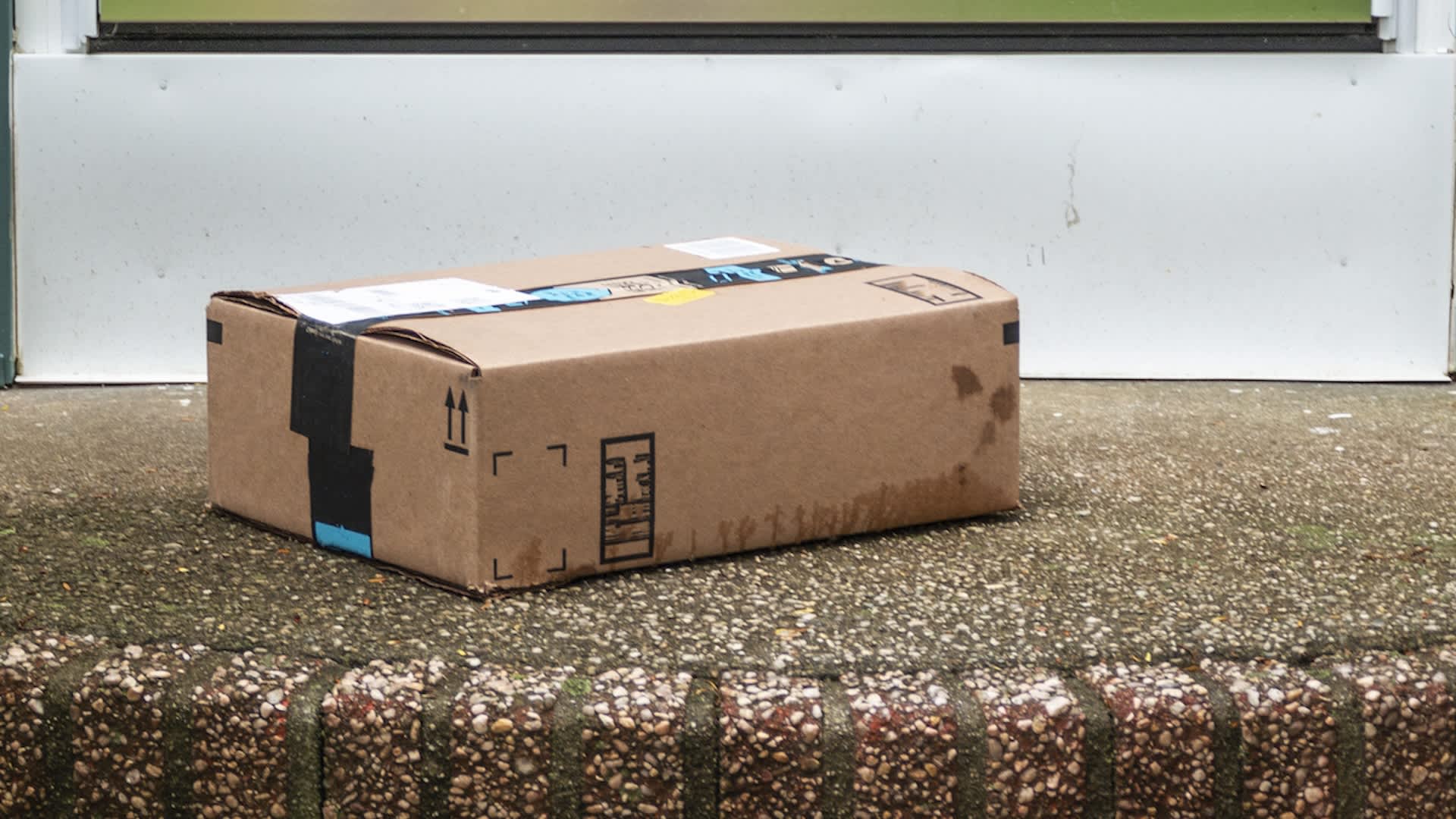
POLICY WIRE — Bengaluru, India — The humdrum expectation of a package delivery. It’s become a modern ritual, hasn’t it? A simple transaction, a click, and then the reassuring thud on the doorstep, bringing everything from electronics to fresh produce. But for one unsuspecting couple in India’s tech hub, Bengaluru, that predictable thud delivered something far less ordinary—and considerably more menacing. They ordered a video game controller; what arrived, slithering out of its packaging, was a cobra.
No, this isn’t some fever dream concocted by a cynical e-commerce critic. It’s the stark, venomous reality endured by a family who thought they were just getting their weekend gaming fix. Instead, they unwrapped pure, unadulterated primal fear. A live cobra, coiled — and agitated, allegedly adhered to packing tape within an Amazon parcel. It’s a tale that doesn’t just unsettle; it makes you squint at your own last online purchase with newfound suspicion. Because sometimes, the supply chain doesn’t just break down; it spawns something straight from a B-movie.
The incident, caught on video and shared across Indian social media, paints a rather unflattering portrait of modern logistics. It begs the question: how precisely does a venomous reptile become an impromptu packing peanut? Authorities, including local snake rescuers, were called in, thankfully managing the situation without injury. But for the couple, their faith in frictionless capitalism probably took a hit stronger than any boss level in an Xbox game. They’d sought an entertainment device. What they got was a sudden, heart-stopping brush with the wild, a visceral reminder of where they actually live—a vibrant, chaotic subcontinent where nature doesn’t always politely stay in its lane.
And it’s not just a localized oddity. This type of incident, while extreme, highlights a simmering unease about the integrity of vast, intricate shipping networks. “Consumers in India expect safety and reliability from global platforms like Amazon, just as they do anywhere else,” stated Smt. Priya Sharma, President of the All India Consumer Rights Forum, in a recent press conference. “When such a disturbing lapse occurs, it shakes public confidence. We need clearer accountability from top to bottom, not just vague assurances.” Her remarks, laced with the impatience of someone who’s seen similar complaints spiral before, don’t just speak to logistics. They speak to the evolving demands of a rapidly modernizing populace. Consumers aren’t going to stand for unexpected wildlife in their gadget boxes.
But the problem, according to logistics insiders, isn’t always so simple. “Managing vast inventories and complex supply routes across diverse geographies always presents challenges,” explained Mr. Rohit Khanna, regional operations manager for Apex Logistics, a third-party firm handling numerous e-commerce deliveries in the region. He wasn’t specifically addressing the cobra incident, but his frustration was evident. “Our protocols are robust. They truly are. But sometimes, especially with items passing through open warehouses or less-controlled transit points common in high-volume regions, unintended biological hitchhikers can slip through.” It’s a polite way of saying: sometimes, you’re just not gonna catch everything.
India’s e-commerce market, already among the fastest-growing globally, is projected to hit US$150 billion by 2027, according to a recent report by India Brand Equity Foundation. That’s a staggering figure, indicative of millions upon millions of packages zipping through an ecosystem where ancient ecosystems frequently collide with digital ambitions. You’re talking about vast volumes, rapid expansion, and, occasionally, the sheer audacity of nature finding a new express delivery method. This kind of event—unusual as it’s—acts as a sharp-edged reminder that the ‘smooth’ veneer of online shopping can often be quite thin.
What This Means
The cobra in the Xbox box isn’t just a quirky headline. It’s a coiled metaphor for bigger anxieties. For one, it throws a bright, uncomfortable spotlight on last-mile delivery standards, particularly in a sprawling, populous nation like India where climate and wildlife frequently blur boundaries with human habitation. Trust in e-commerce, though generally strong, relies on the assumption that what you order is what you get, and certainly not something that could inject neurotoxins into your bloodstream.
Economically, persistent quality control failures—even bizarre, isolated ones like this—could nudge regulators to impose stricter oversight, adding overheads to the already tight margins of online retailers and their logistics partners. Politically, it feeds into the broader narrative around consumer protection, a sensitive topic for any administration aiming to project an image of orderly development. When one considers the similar challenges of environmental pressure and public safety that Pakistan grapples with, albeit in different contexts, you realize these are deeply entrenched regional realities that impact everything from urban planning to cross-border trade.
For platforms like Amazon, who rely heavily on global scalability and consumer faith, such viral blunders aren’t just PR nightmares; they’re a test of their crisis management protocols and their commitment to standardizing operations across drastically different operating environments. It’s easy to promise global standards. It’s a whole other ballgame—or a whole other serpent wrangling—to actually deliver them without any nasty surprises. Especially when a new console could also be a new emergency.