


Sorsby’s Scramble: NFL Dreams Confront Hard Truths of Collegiate Missteps
POLICY WIRE — Washington, D.C. — Football, America’s roaring behemoth of a sport, has always run on hope and hype. But for collegiate athletes eyeing that golden ticket to the pros,...

POLICY WIRE — Washington, D.C. — Football, America’s roaring behemoth of a sport, has always run on hope and hype. But for collegiate athletes eyeing that golden ticket to the pros, there’s another, less glamorous currency in play: institutional fidelity. It’s the invisible tether binding ambitions to regulations, and for one Brendan Sorsby, that cord looks about ready to snap.
It isn’t the dazzling highlight reels or a dominant spring game performance keeping Brendan Sorsby in the headlines anymore. No, what’s got the college gridiron chattering—and the NFL’s seasoned evaluators raising an eyebrow—is a messy legal scrap with the NCAA. This isn’t just about a young quarterback trying to make his way; it’s a stark reminder that even in an era of newfound player agency, some rules still bite, hard.
And boy, are they biting Sorsby. After weeks of back-and-forth arguments in court, one thing’s become brutally clear: his options are narrowing. Fast. Beyond an eleventh-hour Supplemental NFL Draft declaration, there doesn’t seem to be much left on his plate. Even that particular banquet hall might be largely empty.
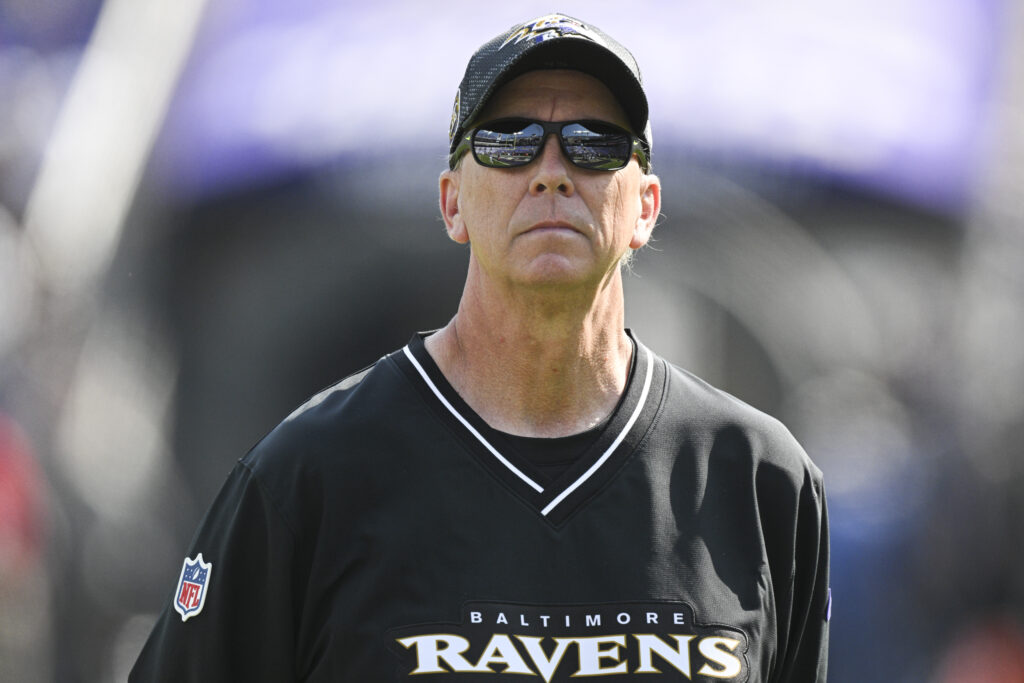
You’d think a team as quarterback-starved as the Cleveland Browns would be sniffing around. They’re practically the poster child for QB musical chairs (Remember the deep sigh after that Deshaun Watson trade? Right). But if their head coach, Todd Monken, has anything to say about it, Sorsby won’t be sipping Lake Erie water anytime soon.
When pressed on the possibility, Monken didn’t mince words. “I don’t think we’re in a position to want to go down that road,” he stated, a voice etched with a clear, almost weary finality. “I like the quarterbacks that we have … think that’s a slippery slope.” It was a public dismissal, pure and simple, and it spoke volumes.
Monken’s got a job to do—pump up his current roster, deflect distractions. But the underlying message was stark. He elaborated later, framing it around accountability: “He put himself in that situation. And we’ve seen in other sports with players that have been banned for life from playing in professional sports.” A chilling echo for any aspiring athlete.
Because let’s be honest, the Browns, a franchise infamous for its desperate QB quests—they gave up three first-round picks for Watson, who arrived with his own baggage—hesitating on Sorsby? That’s not just a red flag; it’s a giant, flapping crimson banner. Chances are, other NFL war rooms are harboring similar reservations. Player character matters, sometimes even more than arm strength or a 40-yard dash time.
This isn’t an isolated incident. Across the globe, sports organizations grapple with the integrity of their games, especially concerning gambling. In regions like South Asia, where the passion for cricket rivals America’s football fervor, match-fixing scandals have repeatedly rocked the sport, particularly in places like Pakistan. Governing bodies there, from the Pakistan Cricket Board to the International Cricket Council, are relentlessly trying to maintain clean play, seeing violations not just as rule breaks but as threats to the sport’s very legitimacy. The NCAA’s stance on Sorsby’s alleged gambling infractions resonates universally: the game’s sanctity demands discipline, no matter the player’s potential.
For Sorsby, the stark financial reality only twists the knife further. The Big Lead recently projected his potential financial losses at a staggering $25.4 million. Think about that for a second. That’s a life-altering sum, possibly gone before his professional career even truly begins. And the long-term career damage? Immeasurable. It’s a cruel illustration of the hard economics governing professional sports today.
But Monken isn’t the only voice. Marcus Thorne, Vice President of Player Affairs for the NFL Players Association (NFLPA), while not commenting specifically on Sorsby, outlined the association’s consistent stance: “We’re always going to fight for our members’ rights, but that doesn’t excuse violating clear-cut league and collegiate rules. Personal responsibility isn’t negotiable in this league.” That’s the NFLPA, mind you. They’re advocates, not prosecutors. Yet, the message still hits.
The hard truth? Sorsby isn’t looking at many good paths. It’s reached a point where some whispered suggestions even include the UFL – the spring league – as a “realistic” fallback. Because while talent can open doors, character determines how long you get to stay inside. And Sorsby’s courtroom saga, coupled with allegations of NCAA gambling rule violations, has plastered some serious question marks over his accountability and maturity.
He should, by all accounts, be taking some ownership, charting a viable path to rebuild. Instead, his legal team reportedly still casts him as a victim, a narrative that’s getting thinner than a forgotten college football program’s budget. The once-bright prospect’s career hangs by a thread, tangled in a web of his own making.
What This Means
This isn’t just a football story; it’s a policy story, plain — and simple. The Sorsby imbroglio shines a spotlight on the evolving, often tense, relationship between college athletes, their increasingly powerful agents, and the venerable, yet often criticized, institutions like the NCAA. With name, image, and likeness (NIL) deals now a standard part of the collegiate landscape, players are seeing themselves—rightly so, perhaps—as individual brands and economic entities. But this newfound autonomy doesn’t dissolve existing ethical boundaries, particularly those designed to protect the integrity of the sport from the insidious influence of gambling.
From an economic standpoint, the NFL’s reticence reflects a cold, calculated risk assessment. Signing a player like Sorsby doesn’t just bring potential talent; it brings a public relations headache and a potential cultural liability within a locker room. Teams, especially those with multi-million dollar investments in a single player, want predictable assets. A history of litigation — and alleged rule-breaking injects too much volatility into that equation. It serves as a stern warning to aspiring professional athletes that the stakes of collegiate behavior have never been higher. Any misstep isn’t just a loss of eligibility; it’s a direct hit to future earnings and marketability, proving that in the ruthless business of professional sports, ethical conduct is a premium asset.