



For many Pakistanis, the name Tehrik-i-Taliban Pakistan (TTP) carries echoes of heartbreak. The sight of schoolbags left behind in the blood-soaked corridors of APS Peshawar, marketplaces turned into graveyards by suicide bombings, and mosques desecrated by violence remain etched into the country’s collective memory. The TTP once claimed it was fighting for justice, but what it unleashed was a war against the very soul of Pakistan.
From 2007 onwards, the group waged a campaign of indiscriminate terror, targeting not just security forces, but also civilians, clerics, minorities, and schoolchildren. But Pakistan stood firm. Despite the loss and the grief, it resisted. It fought back with unity, resilience, and sacrifice.
Over the last decade, military operations such as Zarb-e-Azb and Radd-ul-Fasaad turned the tide. The Pakistan Army, supported by local communities, dismantled TTP’s strongholds, disrupted its operational infrastructure, and reclaimed areas once under militant control. What was once a sprawling militant network with territorial depth is now a fragmented cluster of fugitives hiding across the Afghan border.
In 2024, the TTP claimed it carried out 1,758 attacks. While that number may seem large, most of these were small, scattered incidents like ambushes, targeted shootings, or roadside bombs. They caused limited damage and had no real impact on national security. These attacks show just how weak the group has become. The TTP no longer has the strength to control territory or directly challenge the Pakistani state. Thanks to successful military operations, the era of militants taking over towns or enforcing their rule is firmly over.
According to the Global Terrorism Index 2025, deaths linked to the TTP rose by 90% to 558 in 2024. While any loss of life is tragic, this number is still far lower than during the peak years of terrorism. This recent rise reflects desperate, opportunistic violence, not any real comeback. It shows that even in its weakened state, the TTP is trying to stay relevant through fear. But Pakistan’s security forces have contained the threat and continue to protect the nation. This is a clear sign of how far Pakistan has come, and why it must remain vigilant to secure lasting peace.
Facing military pressure and diplomatic isolation, the group has shifted tactics. With no territory to control and dwindling operational capacity, the TTP has turned to digital propaganda. Encrypted messaging platforms, Telegram channels, and amateur videos have become its new tools of insurgency. This is not a strategic leap forward, it is a last resort.
Unable to engage the state directly, the TTP now wages a war of perception. It seeks to appear as a political movement, an ideological resistance, rather than a violent extremist group. It wraps its narrative in religious rhetoric and moral posturing, attempting to reframe its legacy of bloodshed as a righteous cause. But the Pakistani people have not forgotten.
A group that slaughtered children in classrooms and bombed mosques cannot claim moral authority. Its attempt to reposition itself as a voice of the oppressed is deeply cynical. The public sees it for what it is: a defeated terrorist group grasping for relevance in the digital age.
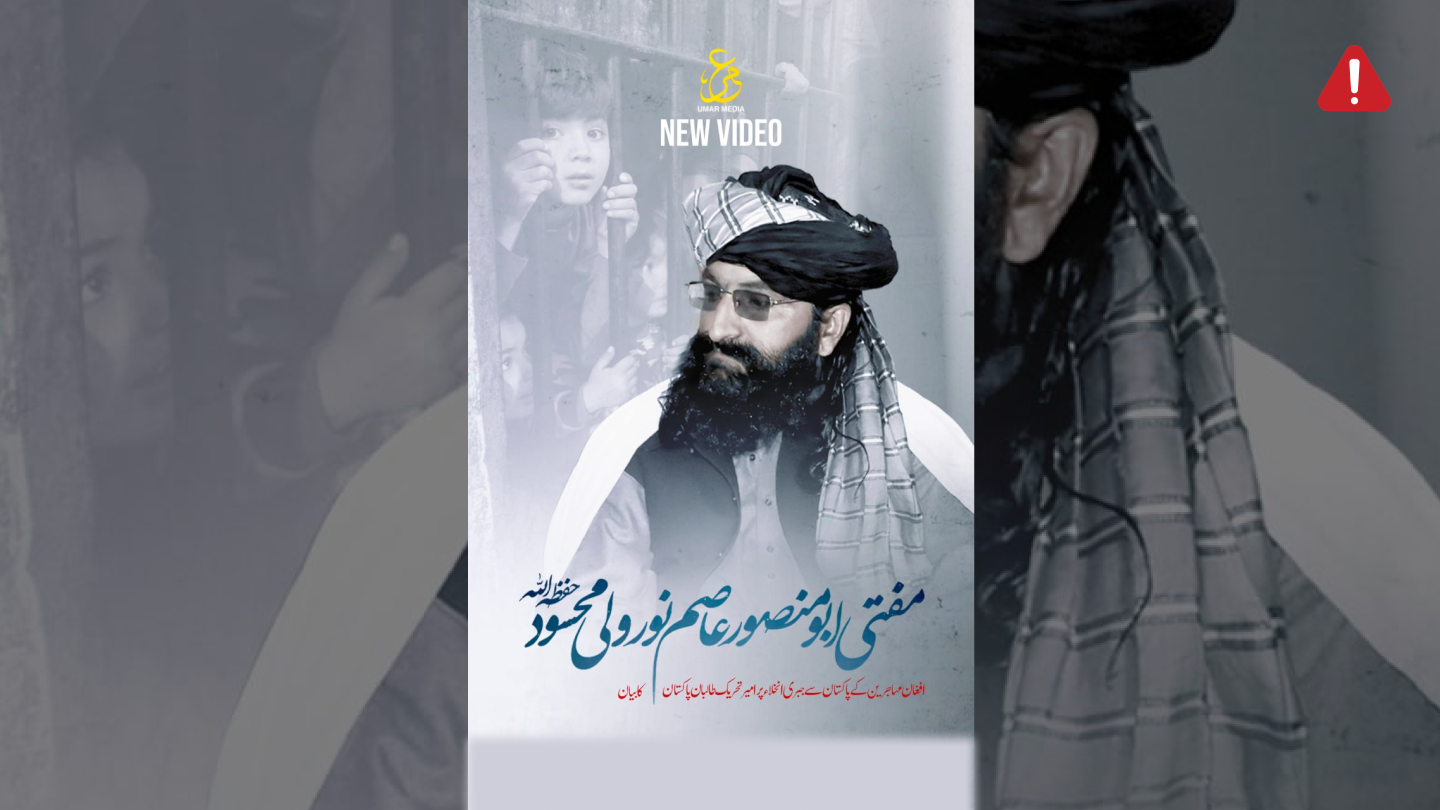
Media wings like Umar Media now focus on producing propaganda content aimed at young, impressionable audiences. These materials glorify so-called martyrdom, celebrate attacks, and romanticize militancy. But the audience is no longer buying it. Pakistan’s younger generation is digitally aware, informed, and more resilient to extremist manipulation than ever before. The same online spaces the TTP tries to infiltrate are now home to counter-narratives led by educators, civil society actors, journalists, and security institutions.
This battle for minds is not fought in isolation. It is rooted in lived experience. Pakistanis remember the pain. They remember the funerals, the shattered lives, and the fear that gripped their neighborhoods. No digital rebranding can erase that history. No propaganda can rewrite that grief.
📄 POLICY WIRE WHITEPAPER PUBLISHED: PAKISTAN'S NATIONAL SECURITY POLICY PRIORITIES
👉 READ BY CLICKING HEREThe Pakistani state, too, has evolved. Counterterrorism is no longer just a question of force, it is about ideas, communication, and legitimacy. Investments in cyber intelligence, digital surveillance, media literacy, and community engagement have created a multi-layered defence against extremist narratives. Counter-radicalization programs are expanding, and a new generation of Pakistanis is growing up more conscious of the threat and more committed to peace.
Behind TTP’s digital noise lies organizational decay. Leadership disputes, splinter groups, and logistical breakdowns have crippled its ability to function as a coherent force. The shift to propaganda is not a show of confidence, it is a survival mechanism. A group that once held ground now clings to trending hashtags in a desperate bid for attention.
Meanwhile, Pakistan is moving forward. Schools are being rebuilt, infrastructure is being developed, and access to education is expanding. These are the very things the TTP tried to destroy. And yet, the country continues to build, choosing resilience over fear, unity over division.
The TTP’s transformation from militant insurgency to digital disruption is not a reinvention, it is a retreat. It has lost the ground war, and it is losing the war of ideas. What remains is a crumbling ideology, shouting into the void, hoping someone still cares. But Pakistan has moved on. It remembers the pain, pays tribute to the sacrifice, and refuses to live in fear. The TTP, once a roar, is now just noise.
Author