

From Gunslingers to Grace: The ‘Fastest Nun’ Nudges Vatican’s Hand for Sainthood Bid
POLICY WIRE — ALBUQUERQUE, N.M. — A nun, whose improbable frontier life included squaring off against outlaws and civic unrest, has taken a definitive stride toward canonization. Sister Blandina...

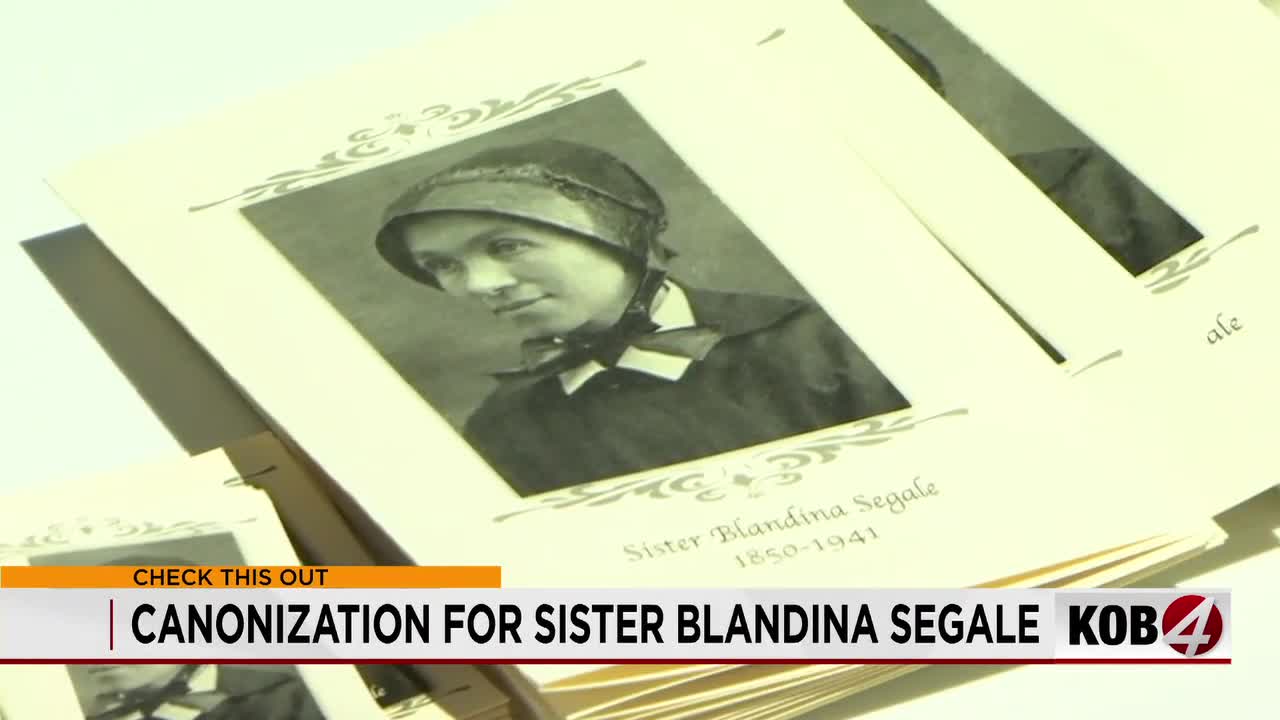
POLICY WIRE — ALBUQUERQUE, N.M. — A nun, whose improbable frontier life included squaring off against outlaws and civic unrest, has taken a definitive stride toward canonization. Sister Blandina Segale, affectionately called the “Fastest Nun in the West”—it’s not exactly the standard epithet for candidates of such high spiritual office, is it?—recently received a unanimous nod from Vatican theologians, nudging her path to sainthood forward.
Unanimous, they say. It means these learned men, sequestered in Rome, collectively agree this 19th-century trailblazer embodied an unusual caliber of grit and grace. They moved her closer to possible recognition as Venerable. Her bio is wild; she made her name by disarming lynch mobs, building schools and hospitals in New Mexico, and yes, even befriending Billy the Kid. And when she wasn’t navigating dusty Western trails, she was caring for immigrants in Ohio.
Each theologian will now submit a formal Votum explaining that decision. It’s all part of the meticulous, glacial pace of Vatican bureaucracy. Because nothing happens fast in the Holy See, especially when eternity is involved. The case then moves to Cardinals and Bishops for deliberation on her veneration, who’ll poke and prod the evidence, as they must. But they could be quicker than usual here. Church leaders could recommend to Pope Leo XIV by the end of the summer that Sister Blandina be named “Venerable.”
Being declared Venerable is a key step in the sainthood process where the pope declares someone lived a life of heroic virtue. It’s an acknowledgment of a profound moral commitment, really, setting a candidate apart as an exemplar worthy of public recognition. Think of it as hitting the quarterfinals in a very, very long spiritual tournament.
Sister Blandina is quite literally the first woman in New Mexico the Archdiocese of Santa Fe has ever petitioned to be declared a saint. Think about that for a second. Decades upon decades, and it’s this particular sister, traversing an often-lawless frontier, battling both natural elements and human cruelty, who emerged as their chosen champion. Her book, “At the End of the Santa Fe Trail,” isn’t some dry theological treatise but a firsthand account that describes her various experiences in New Mexico—a compelling, often harrowing read that grounds her legendary status in historical fact.
So, what’s left on this sacred obstacle course? Well, once someone is declared venerable by the Catholic Church, there are further steps to be declared a saint in the Catholic Church. One miracle would need to be verified for beatification, after which the person would have the title “Blessed.” You can’t just skip steps. And that’s not all. After beatification, another miracle occurring after the date of beatification would need to be verified to be canonized as a saint. It’s an exacting system, meant to filter out the merely pious from the truly extraordinary.
Interestingly, Sister Blandina isn’t the sole New Mexican under consideration for sainthood. Alphonse Gallegos, who was born in Barelas, and was known as the “Bishop of the Barrio,” is also being considered for the Catholic Church’s highest honor. Gallegos received his first sacrements in New Mexico before he and his family moved to California, where he eventually carried out his ministry. So, the land of enchantment might yet yield a pair of saints. Globally, with Catholics representing 22% of the world’s population according to Pew Research Center, each potential new saint reflects a powerful cultural and spiritual narrative that transcends national borders, reminding us of the universal aspiration for virtuous living and service.
While the Vatican’s intricate, two-miracle requirement might seem arcane to many outside the Catholic orbit—especially in nations with different spiritual traditions—the underlying aspiration for recognition of selfless service resonates across cultures. From the venerated Sufi saints who dot the landscape of Pakistan and beyond, inspiring millions with their simple wisdom and community building, to the foundational figures of other global faiths, societies universally seek to immortalize those whose lives transcend the mundane. It’s a fundamental human need: identifying and elevating exemplars, particularly those who address the pressing social needs of their era, mirroring a common thread through many historical and cultural fabrics.
What This Means
This isn’t just an internal ecclesiastical affair. For New Mexico, the potential canonization of Sister Blandina, particularly given her hands-on, community-shaping role, means a massive boost in cultural cachet. It brings attention not just to a historical figure but to the state’s unique past—its resilience, its blend of cultures, and the harsh realities of frontier life she navigated. Politically, the elevation of local figures can consolidate regional identity, becoming a point of pride that transcends partisan divides, acting as an informal social infrastructure. But this isn’t limited to the desert Southwest. Because, at its core, sainthood is a potent messaging tool for the Catholic Church. It allows them to highlight virtues and actions they deem essential for contemporary society—in Blandina’s case, it’s about social justice, compassion for immigrants, and standing up to violence.
And yes, there’s an economic ripple, too. The mere act of this consideration will draw pilgrims, researchers, and tourists interested in her life, boosting local economies and preserving historical sites associated with her work. It’s a long game, certainly. The careful selection of figures like Sister Blandina, who embody active community engagement and confront societal ills head-on, suggests a church strategically reinforcing its image as a global actor for good, seeking to inspire millions—even in a cynical age. That’s a subtle form of soft power, one built on narratives of heroism — and unwavering dedication. It’s smart, really. The church, like any enduring institution, knows its history is its most compelling marketing.