


England’s Gritty Quarter-Final: A Study in Soft Power’s Perilous Path
POLICY WIRE — Miami Gardens, Florida — A collective exhale echoed across England, palpable even through the transatlantic cables connecting Miami Gardens to London, after the national team clawed its...

POLICY WIRE — Miami Gardens, Florida — A collective exhale echoed across England, palpable even through the transatlantic cables connecting Miami Gardens to London, after the national team clawed its way to a World Cup semi-final berth. It wasn’t the regal march many anticipated against Norway; instead, it was a nail-biter, a gritty struggle decided only in the extended throes of extra time. But, triumphs forged in such tension often burn brightest in the national psyche, becoming more than mere sporting victories. They transform, albeit temporarily, into powerful narratives about national character, resilience, and — you guessed it — global standing.
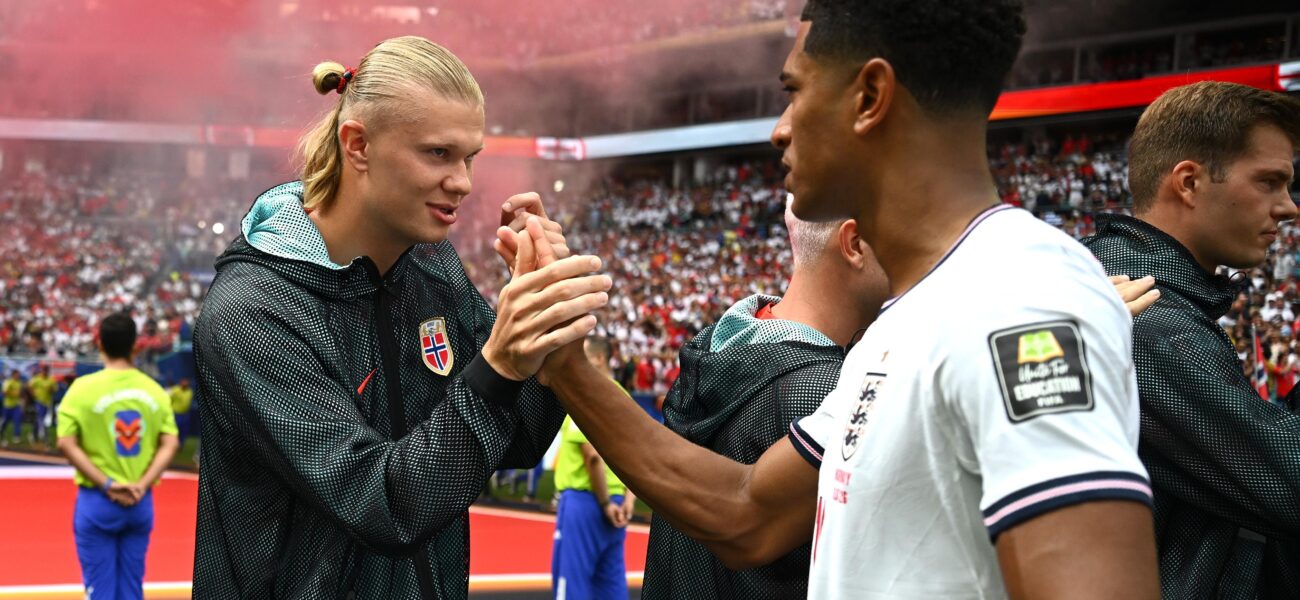
Because let’s be frank: this wasn’t just another football game. For nations like England, a deep run in the World Cup is a major diplomatic event, a significant soft power play on the global stage. It unites disparate communities at home — and projects an image abroad. When Erling Haaland, Norway’s towering striker, failed to stamp his customary dominance on the proceedings, largely thanks to England’s vigilant defense — particularly from the much-maligned John Stones — the psychological victory alone carried weight. Stones, often a lightning rod for critique, put in a monumental shift, completing all but three of his nearly 100 passes across 120 grueling minutes. He even bagged eight clearances, six of them with his head. That’s no small feat against the best in the business. But it’s moments of near-failure, of being pushed to the brink, that define the stakes.
Norway, though outmatched in the end, refused to play the role of compliant underdog. They landed the first punch, taking a surprising lead. It was Jude Bellingham, England’s young midfield maestro, who, with an almost uncanny knack for timing, leveled the score just before the half, denying Norway the psychological boost of a locker-room lead. His second goal, three minutes into extra time, was the final, decisive blow. Bellingham, remember, has now netted six goals in this tournament, putting him shoulder-to-shoulder with the top scorers. And he’s done it by making an art out of being in the right place at the right time. A testament, some would say, to the team’s ability to pull out a win when it mattered most, even if their play wasn’t always—shall we say—convincing.
“Such results aren’t just about athletic prowess; they’re about national morale and international perception,” noted Alistair Finch, England’s Secretary of State for Sport, Media, and Creative Industries, in a statement earlier today. “A win like this, a hard-fought one, perhaps resonates even more profoundly. It signals our nation’s competitive spirit on a world stage that extends far beyond the pitch.”
It’s an image cultivated carefully. The economic ripple effects aren’t insignificant either. Tourism boards see bumps, merchandising rockets, and, most importantly, international partnerships – including those with nations in South Asia and the broader Muslim world – often get a slight, almost imperceptible boost. Think about the legions of fans in Lahore or Karachi, tuning in, often at ungodly hours, to watch players like Bellingham or Harry Kane. They’re not just watching a game; they’re engaging with a culture, a brand. The soft power play of such grand events is undeniable.
The stakes couldn’t be higher for the Football Association back home. “Every victory, especially one of this magnitude, strengthens our game from the grassroots up,” declared Mark Buller, a spokesperson for The FA. “It inspires a new generation and reminds everyone of football’s incredible capacity to bring people together, irrespective of their background or creed.” This sentiment, often trotted out after significant wins, rings especially true when considering the global audience. The FIFA World Cup 2022, for example, drew an estimated 5 billion viewers globally, according to FIFA’s own statistics, demonstrating the immense reach of these competitions and the narratives they produce. These numbers aren’t just for bragging rights; they’re a key performance indicator for countries keen to enhance their international brand.
And let’s not forget how these stories travel. News of England’s tenacity, of their capacity to overcome adversity, spreads fast through diaspora communities across the globe, including those with deep roots in Pakistan and other South Asian nations where English football clubs are followed with almost religious fervor. The narrative of triumph against the odds provides a common ground, a talking point that transcends political boundaries and fosters connections. England’s persistent pursuit of elusive glory, as some have called it, resonates far beyond its borders.
What This Means
This quarter-final squeaker for England isn’t just another line in a sports almanac; it’s a micro-drama with macro implications. Politically, a successful national team offers a temporary but potent balm for domestic discontent, a unifying force in fragmented societies. Economically, beyond the immediate windfall for broadcasters and sponsors, a team’s prolonged success boosts national brand perception, potentially aiding trade relationships and inbound investment. Consider how Norway, a relatively small nation on the global stage, punched above its weight through its star players; even in defeat, they’ve cemented a reputation for athletic talent. For England, advancing means another week of global attention, another opportunity to showcase an appealing, if occasionally agonizing, national narrative. But it also means increased pressure, an expectation of continued performance. Failure at the next hurdle could quickly dampen spirits — and erode any accrued soft power dividends. The margins in global politics, much like those on the football pitch, are incredibly fine.