


US-Iran Tensions Escalate: Renewed Conflict Erupts in Middle East
The US and Iran have reignited hostilities in the Middle East, striking each other's positions in the Gulf and around the Strait of Hormuz.

POLICY WIRE — Washington, D.C./Tehran — The United States and Iran engaged in renewed hostilities on Thursday, marking a significant escalation in tensions within the Middle East. The US targeted Iranian positions, while Tehran retaliated by attacking US allies in the Gulf region.
This outbreak of violence comes just a month after a preliminary agreement was signed with the aim of ending the conflict, which initially erupted in late February following extensive US-Israeli strikes on Iran.
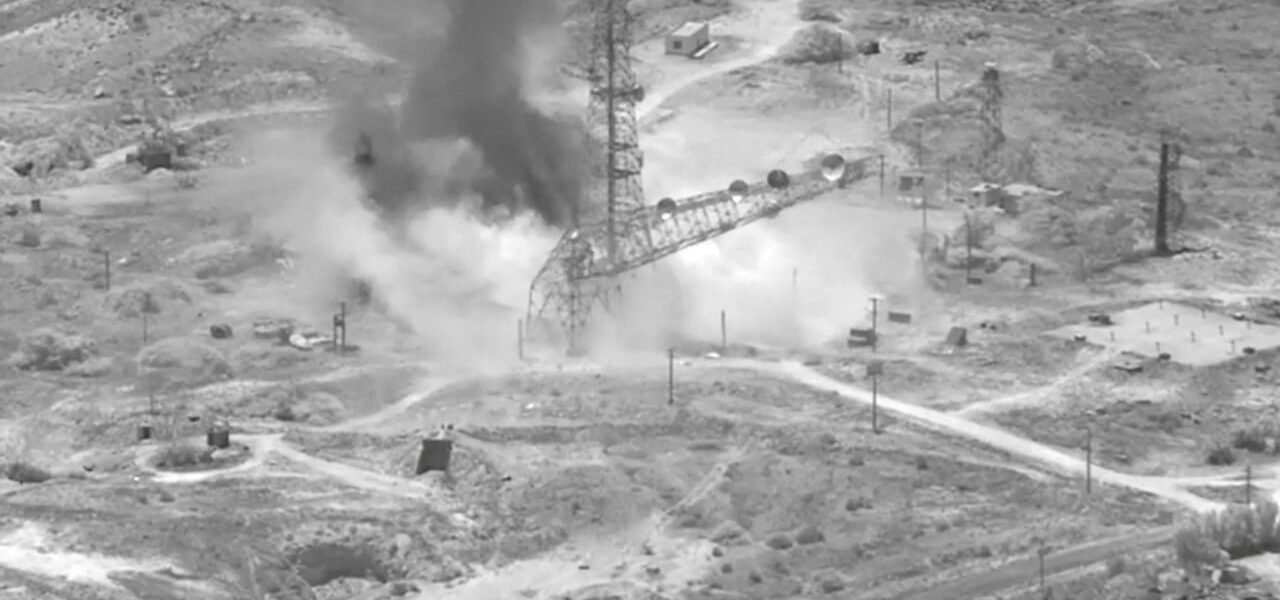
US Central Command (CENTCOM) confirmed it conducted a series of strikes Thursday evening, stating the objective was to “further degrade Iranian military capabilities.” CENTCOM provided further details on the specific targets and the extent of the damage inflicted.
In response, Iran launched attacks on US allies situated in the Gulf. Iranian officials have yet to release a detailed statement regarding the nature — and impact of these counterattacks.
The Strait of Hormuz, a critical maritime chokepoint for global oil shipments, has become a focal point of this renewed conflict. Both nations have heightened their military presence in the area, raising concerns about the potential for further escalation.
International reactions to the renewed hostilities have been swift. Several countries have called for de-escalation — and a return to diplomatic efforts to resolve the conflict. The United Nations Security Council is set to convene an emergency meeting to address the situation.
This development underscores the fragile state of relations between the US and Iran, despite recent attempts to mitigate the conflict through diplomatic channels. The renewed fighting threatens to destabilize the already volatile region further.
Reporting by Policy-Wire (PW)