

Sports Injuries: A Billion-Dollar Economic Hit
Star athlete injuries reveal the fragile economics of pro sports. Discover how player health impacts team valuations, broadcasting deals, and the billion-dollar industry's future.

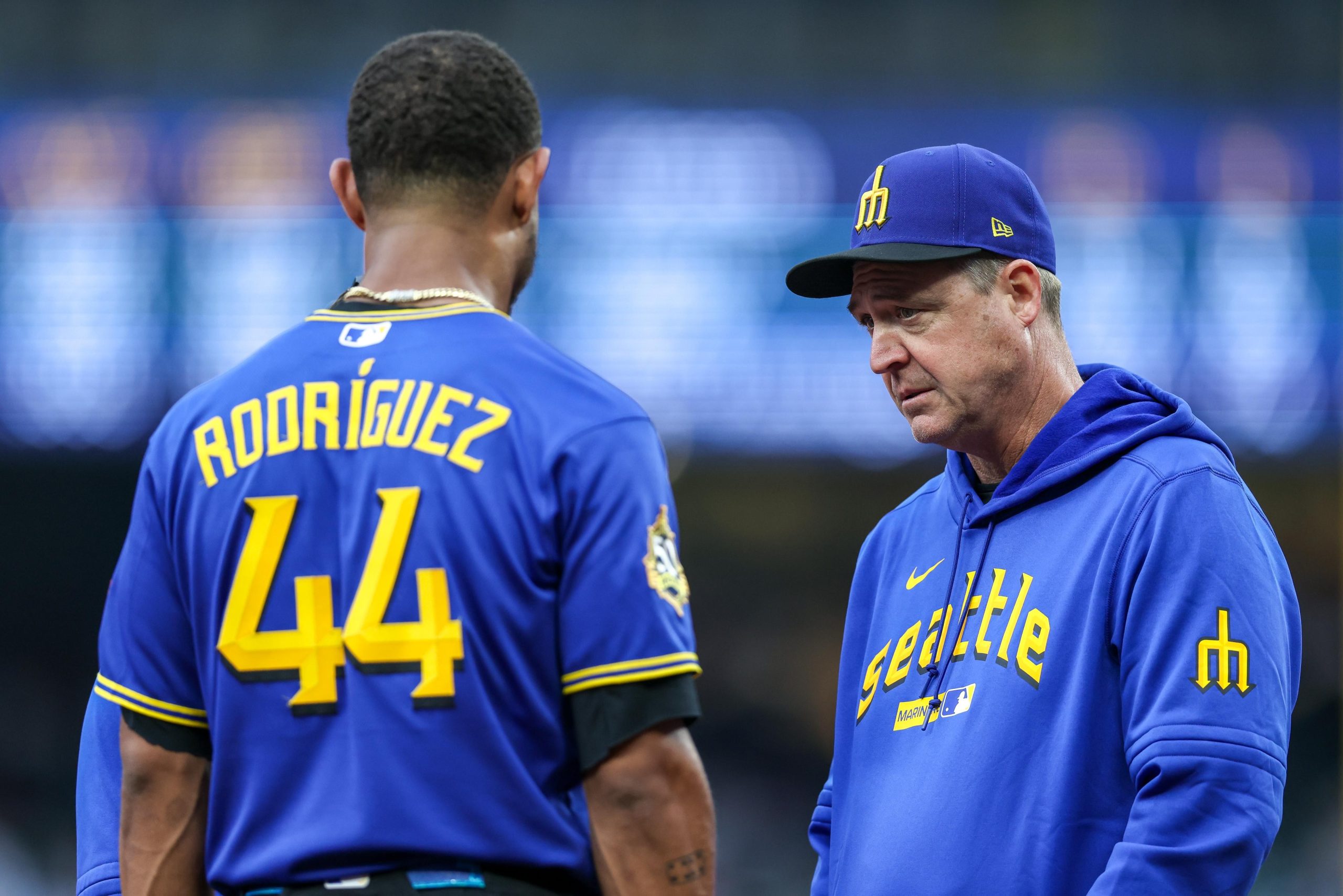
POLICY WIRE — Seattle, WA — It wasn’t the searing triple-digit heat, nor a political scandal, that truly sent tremors through the usually placid confines of T-Mobile Park this past Thursday. No, it was a far more primal, unpredictable force: the brutal, often random, fragility of the human body under immense commercial pressure. When two of the Seattle Mariners’ marquee talents, Julio Rodríguez and Victor Robles, exited a game against the Angels—one after a bizarre helmet blow, the other a searing fastball to the forearm—it did more than just disrupt a lineup. It peeled back a thin veneer, exposing the anxious pulse beneath America’s billion-dollar athletic spectacle.
Because let’s be honest, sports, especially in this hyper-monetized era, isn’t just a game. It’s an intricate, high-stakes enterprise, where individual health dictates collective fortune. A star player isn’t merely an athlete; he’s an asset, a brand, a tangible investment measured in jersey sales and broadcasting rights. And watching Rodríguez crumple, then Robles writhe, you couldn’t help but feel the uncomfortable shift—a sudden drop in projected dividends.
Rodríguez’s ordeal started innocently enough, a walk in the first inning against Angels pitcher Walbert Ureña. Then came the freak accident: a routine double-play attempt gone awry, Schanuel’s throw from first ricocheting directly off Julio’s helmet. He even managed a smile, a slight show of bravado as he slid into third, but it quickly dissolved into a pained hunch. He played the next defensive inning, sure, but then he was just… gone. Replaced by Victor Robles. And we all know how *that* ended. You’d figure professional baseball, with all its medical advancements and protocols, would’ve engineered out such sheer bad luck, but you’d be wrong. Schanuel’s arm strength, it turns out, ranks only in the 11th percentile among first basemen, according to MLB Statcast data for the 2026 season. Less velocity, but the impact was still — obviously — enough.
Then, Ureña, evidently possessing a particularly errant radar, dinged Robles with a 98 mph sinker straight to the forearm in the fifth. Robles’s immediate, almost theatrical, collapse wasn’t for show. You could tell it was a real, sharp jab. He stayed in briefly, like Rodríguez, then vanished. His season, — and a significant chunk of the Mariners’ short-term aspirations, likely went with him. You have to wonder, doesn’t it all just seem a bit too fragile sometimes?
“These injuries, they aren’t just hits to the stat sheet, they’re direct impacts to the balance sheet,” quipped Sarah Chen, a leading sports economic analyst at the University of Pennsylvania’s Wharton School, speaking on the broader trend of athlete longevity versus compensation. “Teams shell out hundreds of millions for these players, expecting years of prime performance. A few unlucky plays, and suddenly, you’re looking at massive liabilities on the injured list, diminishing returns on your investment.” She’s not wrong, you know. They’re effectively financial derivatives.
For cultures like those in Pakistan or across South Asia, where the nascent interest in American sports often translates into significant investment in streaming services and merchandise, such incidents hold a different, albeit parallel, weight. These stars represent aspirational figures—symbols of individual excellence and collective triumph. The premature sidelining of a fan favorite, like an export crop failing due to unforeseen weather, disrupts not just local enjoyment but also the delicate commercial pipelines connecting distant markets to the American sporting industrial complex.
And what about the players themselves? We expect them to perform like machines, but they’re flesh — and blood. “We push these athletes to their absolute physical limits for entertainment, then feign shock when their bodies betray them,” remarked Khalil Ahmed, Commissioner of the North American Baseball League (NABL), reflecting on the mounting injury toll across sports. “It’s a covenant we strike, isn’t it? Performance for riches. But sometimes the cost gets pretty steep for both sides.”
What This Means
The swift departures of Rodríguez and Robles aren’t mere roster headaches; they’re microcosms of a larger, systemic vulnerability in modern sports economics. The valuation of teams, increasingly seen as lucrative assets, rests heavily on the sustained marketability and on-field presence of their biggest stars. When these players go down, the economic ripple effects are extensive. Stock values for publicly traded sports entities can dip. Merchandising revenue shrinks. Ticketing — and broadcasting deals, particularly for crucial playoff runs, face renegotiation or reduced interest. It creates an almost fickle fortunes scenario, where billion-dollar franchises operate under the ever-present shadow of a stray pitch or a bad landing. It begs the question: How much physical risk is truly priced into these multi-year, nine-figure contracts? And whose responsibility is it when the investment suddenly tanks due to a helmet hit? It’s a complicated web, but one thing’s for sure: the business of baseball, much like the game itself, remains unforgivingly susceptible to the sharp, sudden turns of fate. Don’t believe me? Just look at the spreadsheets.