


Florida’s Latest Whisper: A 12-Year-Old, a Teacher, and the Echo of a Nation’s Fear
POLICY WIRE — Tallahassee, Florida — The alarm bells, it seems, no longer blare; they merely chime with an unsettling regularity. A 12-year-old in Florida, barely a teenager, stands accused not of...

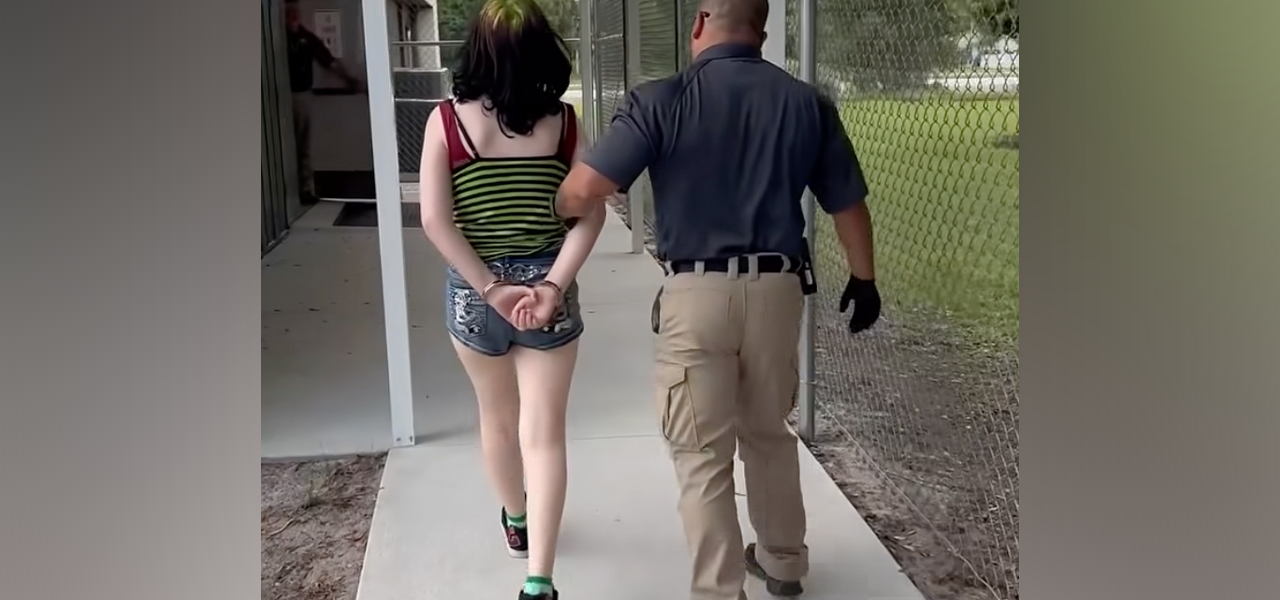
POLICY WIRE — Tallahassee, Florida — The alarm bells, it seems, no longer blare; they merely chime with an unsettling regularity. A 12-year-old in Florida, barely a teenager, stands accused not of playground antics, but of threatening a teacher, promising to “shoot up” her school. It’s a headline that, tragically, feels less like an anomaly and more like a recurring chapter in a protracted, unsettling narrative of American youth and their increasingly volatile expressions.
At its core, this incident isn’t just about a child’s momentary outburst; it’s a stark, chilling testament to the ease with which such destructive rhetoric infiltrates the very institutions designed for nurture and education. For authorities, the age of the alleged perpetrator, though profoundly disconcerting, no longer dictates the severity of the response. And that’s a measure of just how far the bar for acceptable behavior has plummeted, or perhaps, how acutely sensitive society has become to the specter of violence.
Sheriff John Rutherford, a seasoned veteran of law enforcement in the Sunshine State, weighed in with a pragmatic, if somber, assessment. “We don’t differentiate based on age when a threat of this magnitude is articulated,” he declared, his voice carrying the weariness of too many such pronouncements. “Every word, every whisper, is taken with the utmost gravity; it’s a testament to the vigilance required in this unpredictable era.” It’s a zero-tolerance stance, forged in the crucible of past tragedies.
The alleged threat, delivered via text message, prompted an immediate, comprehensive lockdown and investigation, disrupting an entire community’s sense of quotidian peace. But consider the psychological toll: educators, already stretched thin, now contend with the possibility that a casual slight could escalate into something horrific. Students, too, absorb this undercurrent of fear, subtly altering their perception of safety within their classrooms.
Superintendent Elena Rodriguez, whose district now grapples with the fallout, asserted, “It’s a harrowing reflection of the pressures our young people face and the insidious reach of violent rhetoric. Our priority remains the safety of our students and staff, but we’ve also got to address the roots of such profound disillusionment.” Her words encapsulate the Sisyphean task facing school administrators: protect, educate, and somehow, understand.
Still, the data doesn’t lie. According to the National Center for Education Statistics, during the 2020-21 school year, a startling 44 percent of public schools reported threats of physical attack without a weapon. That’s nearly half of all schools contending with such dire pronouncements, a figure that paints a vivid, concerning picture of the nation’s educational landscape. It isn’t just Florida; it’s pervasive.
Behind the headlines, this incident also touches on a global challenge: the prevention of violent rhetoric and radicalization among youth. While the Florida case likely stems from personal grievances or mental health struggles rather than ideological fervor, the universal imperative remains. Societies worldwide, from the bustling metropolises of Europe to the remote villages of South Asia, grapple with safeguarding their youth from harmful narratives, whether they originate from domestic discontent or extremist narratives online. Pakistan, for instance, faces its own battles against youth drawn to ideologically driven violence, albeit from a vastly different context. The underlying thread, however, is a shared vulnerability to the potent, often unchecked, power of words.
It’s a grim reminder that the internet has flattened the world, making the transmission of dangerous ideas, whether political, social, or purely destructive, alarmingly efficient. Children, whose developing minds are still navigating complex social cues, are increasingly exposed to and capable of articulating threats that, just a generation ago, would have been almost unthinkable from someone their age.
And so, as the legal process grinds forward for this pre-teenager, the larger questions linger, unresolved and increasingly urgent. What’s driving this generational shift in aggressive expression? Are we equipping our educators, parents, and judicial systems with the tools necessary to intervene effectively, or are we simply reacting, perpetually behind the curve?
What This Means
The political implications of incidents like this are multifaceted — and profoundly unsettling. Locally, expect renewed calls for increased school security measures—more resource officers, advanced surveillance, and stricter disciplinary protocols. This often translates into higher educational budgets diverted from academic programs to security infrastructure, an economic trade-off that few truly desire but many feel compelled to accept. Don’t be surprised if state legislators also revisit juvenile justice laws, potentially lowering the age at which serious threats trigger adult court proceedings, further complicating the complexities of juvenile justice.
Economically, the ripple effects are subtle but significant. Perceptions of school safety can impact property values in affected districts, deterring potential residents and businesses. the psychological strain on teachers and administrators leads to burnout, contributing to staffing shortages and an overall decline in morale. It’s a hidden cost, often overlooked in budget analyses, but one that corrodes the very foundation of public education. Funding for mental health services for youth, often the first cut in austere budgets, will inevitably come under renewed scrutiny, but actual, sustained investment remains a political tightrope walk. The short-term response is typically punitive, while the long-term, preventative solutions often languish for lack of political will or immediate tangible results.