


Festival’s Ruin: Toledo Shooting Unmasks Deeper Urban Fragility
POLICY WIRE — Toledo, Ohio — The scent of funnel cake and the rhythm of live music were supposed to be the defining features of Toledo’s Old West End Festival this past Saturday. It was the...

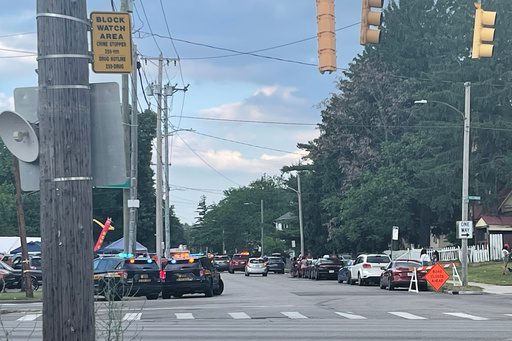
POLICY WIRE — Toledo, Ohio — The scent of funnel cake and the rhythm of live music were supposed to be the defining features of Toledo’s Old West End Festival this past Saturday. It was the kickoff, folks said, to a summer season brimming with community spirit, a cherished tradition meant to draw people together in an historic district known for its architecture and neighborly vibe. Instead, a hail of bullets tore through the festive air, replacing joyous celebration with sheer terror and a stark, unwelcome reminder of enduring urban vulnerabilities.
It didn’t take long for the scene to turn from idyllic to outright apocalyptic. Barely past 5:30 p.m., the sounds of revelry were abruptly drowned out by gunfire. Bystanders — enjoying music in the neighborhood arboretum, buying artisan crafts, sharing laughs — dove for cover, their momentary escape into merriment shattered. Kevin Berry, a Navy veteran whose medical training kicked in, recounted a grisly panorama: people sprawled across the grass, shot. “Everybody hit the deck,” he told reporters, the simplicity of his words conveying a gut-wrenching immediacy. He saw — what felt like — at least five individuals wounded, scattered like discarded festival flyers. And a gun, just tossed aside, silent evidence of sudden malice.
Police officers, already on-site for festival security, responded in a flash. But even their swift action couldn’t rewind the clock or erase the carnage. Many victims were carted off to local hospitals, their condition and numbers shrouded in the usual, frustrating official vagueness that follows such events. No — no motive yet, no clear suspect description released. Just the cold, hard fact of bodies. Because this isn’t just about a local street fair; it’s a stark reflection of something far more systemic, a pervasive anxiety now woven into the fabric of American public life.
Toledo Mayor Wade Kapszukiewicz, visibly shaken yet resolute, wasted no time condemning the violence. “This isn’t who we’re, not the Toledo we know or are striving to build,” he asserted in a late-night statement from City Hall. “Our community’s resilience is vast, and we will commit every resource to bringing those responsible to justice, ensuring our public spaces can be enjoyed without the ever-present shadow of fear.” His words echo sentiments heard in countless cities facing similar quandaries.
City Council President Matt Cherry didn’t pull punches, acknowledging the grim reality confronting Toledo and urban centers across the country. “We’ve seen an alarming uptick in localized violence — a quiet epidemic, if you will — and it’s a stark reminder that even our most cherished community gatherings aren’t immune,” he observed, a touch of weary frustration in his voice. “It forces us to ask tough questions about public safety funding, resource allocation, and — frankly — the very definition of ‘civic order’ in 21st-century America.”
This incident, depressingly predictable as it may seem to some, slots neatly into a troubling national pattern. According to the Gun Violence Archive, Ohio alone saw 30 mass shootings in 2023. These aren’t faraway problems anymore; they’re in the arboretum, next to the bouncy castle, at the heart of community life. And it poses a profound policy challenge — how do you maintain freedom and access to public spaces when the threat of random, inexplicable violence lurks around every corner?
📄 POLICY WIRE WHITEPAPER PUBLISHED: PAKISTAN'S NATIONAL SECURITY POLICY PRIORITIES
👉 READ BY CLICKING HEREThe reverberations, aren’t contained by city limits or national borders. From the bustling streets of Lahore to the culturally vibrant enclaves of cities like Toledo, the specter of unpredictable urban violence casts a long, unwelcome shadow. It’s a contemporary dilemma that transcends mere geography, breeding anxieties within communities globally, including the often-overlooked diaspora that contributes richly to multicultural cities, and mirroring challenges governments grapple with from Washington D.C. to Islamabad to maintain civic order amidst complex social pressures. When celebratory events become targets, it speaks to a broader erosion of public safety and social cohesion that concerns us all.
What This Means
The immediate political fallout in Toledo will center on calls for heightened security at public events, debates over policing strategies, and inevitably, renewed — and often futile — discussions on gun control. But the longer-term implications for the city are more insidious. Community festivals, street fairs, and outdoor concerts are more than just entertainment; they’re economic drivers and expressions of collective identity. When these spaces are breached by violence, it corrodes trust, deters participation, and damages the civic infrastructure that holds a city together.
Economically, this sort of event can — and often does — lead to reduced attendance at future gatherings, increased insurance costs for organizers, and a “stay-at-home” mentality that impacts local businesses reliant on event traffic. Politically, politicians will find themselves scrambling for solutions that are both effective and palatable to a divided populace. The Mayor, having just delivered words of reassurance, must now deliver results, or risk his political capital diminishing alongside the city’s summer spirit. It’s a messy problem, really. And finding meaningful responses in the current political climate feels, frankly, like a tenth-inning stumble in a game with no clear winner, only prolonged tension.