


Fentanyl’s Shadow Lengthens: New Mexico’s Youth Fight for Recovery Amidst a National Crisis
POLICY WIRE — ALBUQUERQUE, N.M. — It wasn’t a headline that galvanized Jennifer Burke, not a politician’s fiery speech. It was the quiet, unbearable echo of an 18-year-old son lost to an overdose....

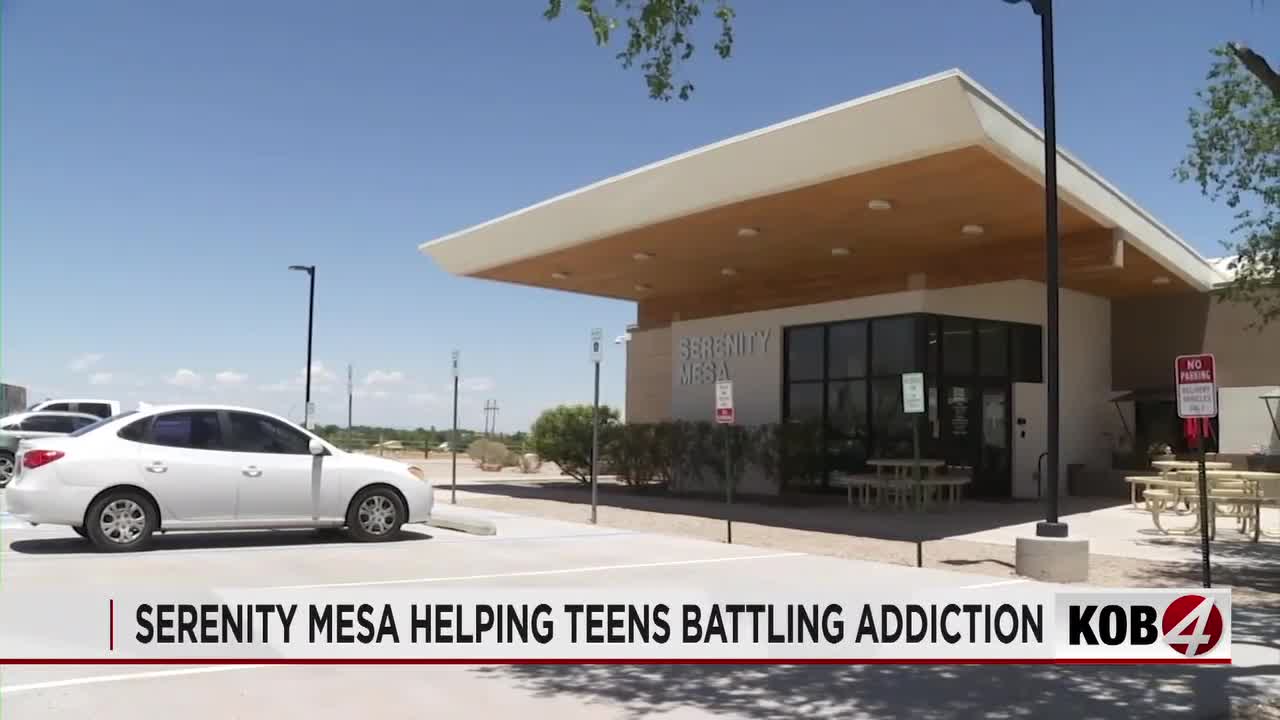
POLICY WIRE — ALBUQUERQUE, N.M. — It wasn’t a headline that galvanized Jennifer Burke, not a politician’s fiery speech. It was the quiet, unbearable echo of an 18-year-old son lost to an overdose. That raw, visceral grief, unfortunately, has become the reluctant engine driving Serenity Mesa Recovery Center, a haven for adolescents in a state reeling from what feels like an undeclared public health war.
Because the numbers? They’re stark, aren’t they? New Mexico, of all places—that vast expanse of sun-drenched mesas and ancient cultures—currently holds a grim, number one distinction across the nation. We’re not talking about tourism or chili harvests here. No, according to a recent WalletHub ranking, this state leads the country in both overall drug addiction and, crucially, teen drug use. It’s a statistic that doesn’t just sit on a page; it rips through communities.
But how do you even begin to untangle a problem that complex? For Burke, it became startlingly simple: one broken family at a time. After her son, Cameron, fell to an opioid addiction stemming from a sports injury at 18—a narrative, she notes, that’s just all too common these days—Burke realized the system was woefully unprepared for young people. “New Mexico just didn’t have adequate treatment for adolescents,” she recalled. Sending Cameron out of state felt like an act of desperation, not choice. So, after his death, she did what any parent would—she changed everything. “When he passed away, I went on this mission to open up a treatment center.” Since 2015, Serenity Mesa has stepped into that yawning gap, helping almost 700 young folks turn their lives around. That’s not insignificant.
And the problem isn’t static; it’s mutating, moving faster than policy makers can type up a press release. Today, getting drugs? It’s often as easy as tapping an app or scrolling social media. You’d think the physical distances in a place like New Mexico might offer some protection, but the digital highway has flattened that. The list of substances tearing through teen lives is terrifying: fentanyl, meth, cocaine, alcohol, marijuana. They’re readily available, often hidden in plain sight, with fentanyl—the synthetic opioid fifty times stronger than heroin—leading the charge in lethality. Just look at the street-level tragedies that plague families from the rural outskirts of Santa Fe to bustling downtown Albuquerque.
Treatment, then, can’t be a one-size-fits-all brochure. Burke explains they’re tailoring their approach constantly. [QUOTE_PLACEHOLDER] They’ve got to customize it based on age, the specific drugs teens are using, and their personal circumstances—which are always, always complicated. Jayden Pietz, a young woman who clawed her way back from meth and fentanyl addiction right there at Serenity Mesa, can attest to the raw, hopeless vacuum of early addiction. “I didn’t really have any hope before I got here,” Pietz said, her voice a testament to hard-won perspective. “I just didn’t think that there was going to be anything more out of my life than using drugs.” Now, part-way through her 90-day program, there’s a new spark, a vision for a future that doesn’t involve constant despair. [QUOTE_PLACEHOLDER] It’s about planting seeds for later harvests, isn’t it?
So, what’s the universal lesson here? We often talk about ‘Western’ drug crises as if they exist in a vacuum, but the mechanisms of addiction—the vulnerability of youth, the crushing weight of circumstance, the global reach of illicit supply chains—they’re truly borderless. Think about the struggles in Pakistan, for example. Despite radically different cultural contexts, communities there contend with pervasive addiction, often fueled by the region’s position as a transit route for heroin and, increasingly, synthetic opioids. You see similar battles, family by family, even amidst different legal frameworks — and social support structures. The Ghost in the Machine: Decades of Shadow Power Confront Cold Reality as a Kingpin’s Fortune Crumbles is an excellent example of how pervasive and globally intertwined the networks facilitating addiction truly are. There’s a common thread: when young lives are caught in the crosshairs of global commerce and local despair, it takes monumental effort to pull them back.
Burke, with the weary resolve of someone who’s seen too much, doesn’t mince words when it comes to advice for parents: [QUOTE_PLACEHOLDER] And to the young people caught in that cold, dark grip: “And if you’re somebody who’s struggling, don’t give up on yourself.” She gets it; the climb feels impossible. “It may seem like you’re in a dark hole now, but you’ve got to start making those steps to climb out.” It’s about trusting instinct, fostering honest conversations, and above all, believing in the capacity for change—even when it feels like the whole world’s conspired against you.
What This Means
This isn’t just about New Mexico; it’s a stark forecast for American youth and, frankly, global public health. The state’s dismal ranking in youth addiction is more than a statistic; it’s a bellwether for inadequate mental and behavioral health infrastructure, particularly for adolescents. Politically, this crisis screams for sustained, significant investment from both state — and federal coffers. We’re talking about expanded Medicaid coverage for addiction services, specialized training for educators and healthcare providers, and crucially, an overhaul of school-based mental health programs. Economic implications are similarly bleak: a generation lost to addiction means lost human capital, reduced productivity, and ballooning healthcare costs that ultimately strain public budgets for decades to come. If these trends continue unchecked, future economic growth will undoubtedly be kneecapped by a less capable workforce and a population grappling with chronic health issues. the ease of access through social media implies a pressing need for tech policy intervention, forcing platforms to shoulder some responsibility for the dark alleyways their services inadvertently create. The silence on that front from Silicon Valley? It’s deafening.