


Federal Data Reveals Widespread Underreporting of Campus Sexual Assaults
Federal records show over 45,000 campus sexual assault reports since 2019, but experts warn these figures significantly undercount the true scale of violence.

POLICY WIRE — Washington, D.C. — Federal records indicate that more than 45,000 individuals reported sexual assault or rape at U.S. colleges and universities between 2019 and 2024. Experts argue these figures represent a significant undercount of the actual prevalence of campus sexual violence.
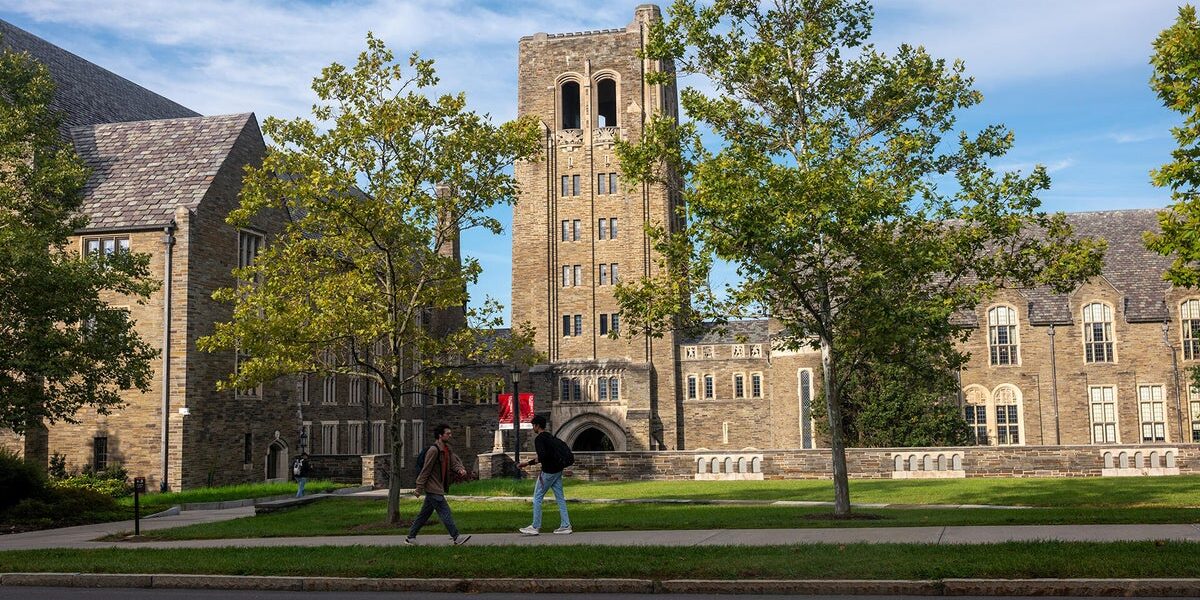
Data shows that Cornell University recorded 238 incidents during this six-year period, averaging eight reports per 5,000 students annually. This rate is double the national average of four incidents per 5,000 students observed at other large institutions.
These statistics are compiled under the Jeane Clery Act, which mandates that schools track reports made to campus security authorities, including police and Title IX officials. However, the data fails to account for the vast majority of survivors who choose not to report their experiences, with surveys suggesting one in five undergraduates encounter sexual violence.
Corey Rayburn Yung, a law professor at the University of Kansas, noted that universities often exercise broad discretion in defining security authorities and may exclude reports deemed unfounded. Yung’s research found that during Clery Act audits, reports of rape and fondling surged by 44%, only to drop once the oversight concluded.
“The numbers just do not seem to match with the survey data and even the criminal reporting data in similar jurisdictions,” Yung said. “This is indicative … [that] schools are not telling us the full story of reporting and giving an impression that the campuses just do not have nearly the degree of sexual violence that they likely do.”
📄 POLICY WIRE WHITEPAPER PUBLISHED: PAKISTAN’S NATIONAL SECURITY POLICY PRIORITIES
Barriers to reporting include a lack of confidential resources and widespread confusion regarding Title IX procedures. George Mason University assistant professor Sara Wilf noted that half of surveyed students in California were unaware of the Title IX office’s function, while many others found mandatory training ineffective.
Victims frequently cite concerns that their reports will not be taken seriously or that the incident may not meet the threshold for sexual assault. Wilf emphasized that students prioritize access to confidential advocates who can guide them through the complex decision-making process following an assault.
Disciplinary outcomes remain rare, as evidenced by New York state data showing that only a small fraction of reported cases result in expulsion or suspension. Across New York, only 3% of initial reports led to such sanctions between 2019 and 2024, a trend Wilf suggests discourages survivors from seeking institutional support.
“Survivors hear from other students how the Title IX process failed them,” Wilf said. “And so, they are much less likely to seek out support on campus.”
In response to the allegations, Cornell stated it conducted an extensive investigation and adjudication over several months and imposed different sanctions based on the findings and circumstances involving each student.
Reporting by Policy-Wire (PW)