


Europe’s Space Autonomy Bid Intensifies as ArianeGroup Pursues Ambitious Launch Cadence
POLICY WIRE — Paris, France — For far too long, Europe’s watched from the sidelines, its once-proud dominance in the commercial launch sector relentlessly gnawed away by aggressive...

POLICY WIRE — Paris, France — For far too long, Europe’s watched from the sidelines, its once-proud dominance in the commercial launch sector relentlessly gnawed away by aggressive international competitors. That’s a position ArianeGroup, the continent’s leading space launch provider, is hell-bent on flipping, now plotting a dramatic ramp-up in its rocket production and launch cadence.
It isn’t merely about launching more satellites. No. The drive whispers of a profounder, almost existential quest for strategic autonomy, a push to ensure Europe’s independent access to space amid an increasingly fractured global landscape. Without reliable, indigenous launch capabilities, nations remain beholden to others. A vulnerability, that. Few can afford it.
Behind the headlines of new rocket blueprints and expanded facilities lies a palpable, almost desperate sense of urgency. The European Space Agency (ESA) and the European Union have been vocal about the need to buttress their cosmic backbone, seeing it as crucial for everything from defense to climate monitoring and telecommunications.
“We can’t afford to be just passengers in the new space race,” declared Josef Aschbacher, Director General of the ESA, in a recent address. “Europe needs to be a driver, a leader, ensuring our access to orbit is secure, sovereign, — and competitive. This isn’t just about jobs; it’s about our future autonomy.”
Still, the path isn’t straightforward. American companies, particularly SpaceX, have redefined the economics of space access, while China and other emerging players are rapidly closing the gap. A curious observer might note the rather ironic timing of Europe’s renewed vigor. Europe’s market share has felt the grim harvest; in 2023, European launchers accounted for just over 5% of global orbital launches, a stark contrast to the 60% dominated by the United States, according to data compiled by SpaceNews.
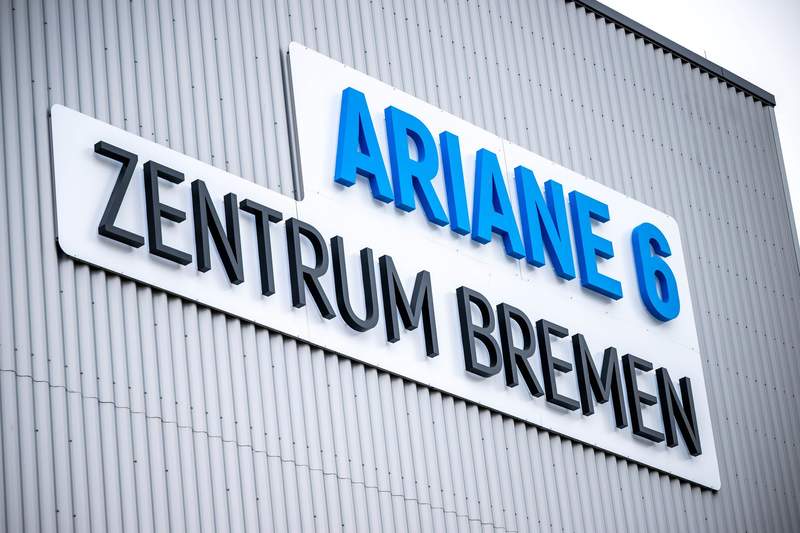
The goal now is to dramatically turbocharge the production rate of the new Ariane 6 and the smaller Vega C rockets. ArianeGroup envisages a future where it can conduct up to twelve Ariane 6 missions and a similar number of Vega C launches annually. This kind of aggressive schedule — one that, let’s be honest, has been more elusive dream than tangible reality for far too long, often plagued by frustrating delays and nagging budget woes — would mark a profound shift from recent years, which saw a considerable launch deficit and delays. A profound shift. From years of deficit.
Make no mistake, achieving this cadence demands beyond mere factory lines humming. It demands a revitalized supply chain, a skilled workforce, and sustained political will from the 22 member states contributing to ESA. And yet, the geopolitical imperative couldn’t be clearer.
Consider the broader implications: For nations like Pakistan, which operates its own Space and Upper Atmosphere Research Commission (SUPARCO) and frequently relies on international partners for satellite launches, increased European capacity could offer valuable diversification (a much-needed commodity, some would argue). Historically, countries in South Asia and the Muslim world have navigated a complex web of launch providers, from China to Russia and the US. A robust, competitive European option could provide greater flexibility, potentially lowering costs and fostering new collaborations based on shared technological standards, rather than geopolitical alignments alone. Who wouldn’t want that kind of leverage?
Martin Sion, CEO of ArianeGroup, recently commented on the evolving landscape, stating, “Our commitment is not only to Europe but to offering a reliable, independent launch service to the global community. We’re building not just rockets, but confidence in Europe’s technological prowess and its ability to deliver on audacious benchmarks. We believe we can once again be the preferred partner for complex missions.”
The company’s strategy involves standardizing production processes and leveraging economies of scale, a playbook well-honed by its competitors. It’s an uphill battle, no doubt, but one they’re absolutely compelled to fight.
What This Means
This aggressive push from ArianeGroup represents a critical juncture for European space policy. Politically, it’s a direct challenge to the creeping hegemony of non-European launch providers, resuscitating Brussels’ ambition for strategic autonomy. Economically, a successful ramp-up could inject billions into the European aerospace sector, creating high-tech jobs and fostering innovation across the continent. So yeah, it’s a big deal. It also signals a concerted effort to make Europe’s space industry commercially viable on the world stage, moving beyond reliance on institutional contracts alone. The diplomatic implications are equally significant: a sovereign launch capability strengthens Europe’s hand in international space partnerships and allows it to pursue its own scientific and security interests without external dependencies — an absolute necessity, frankly, in a world where space is as much a geopolitical chessboard as it’s a canvas for scientific exploration. This isn’t just about national pride; it’s about national security in the 21st century.
Related: Europe’s Bold Space Gambit: ArianeGroup Seeks Launch Dominance
Can Europe truly catch up, or even regain a significant lead, in the highly competitive commercial space market? Success hinges on consistent funding, flawless execution of launch schedules, and the ability to innovate at speed (a perpetual challenge, naturally). For experts, the next five years will be decisive. “If ArianeGroup can demonstrate consistent, cost-effective, and frequent launches with Ariane 6, they don’t just secure Europe’s access to space; they utterly recast its position as a global technological power,” noted Dr. Clara Moreau, an aerospace analyst at the Paris Institute for Strategic Studies. But failure, on the other hand, risks relegating Europe to a secondary role, a situation that would have profound long-term consequences for its geopolitical standing.