


Transfer Market Carousel: Europe’s Elite Vie for Kane, Álvarez Amidst Escalating Stakes
POLICY WIRE — Munich, Germany — It isn’t always about the goals, you know. Or the dazzling footwork, for that matter. Often, it’s about the boardroom machinations, the quiet conversations...

POLICY WIRE — Munich, Germany — It isn’t always about the goals, you know. Or the dazzling footwork, for that matter. Often, it’s about the boardroom machinations, the quiet conversations with agents over single malt, the whispered figures that make governments wince. This summer, the peculiar ballet of the European football transfer market is in full swing, and it’s less a sporting spectacle and more a geopolitical proxy war—with highly-paid athletes as the unwitting infantry.
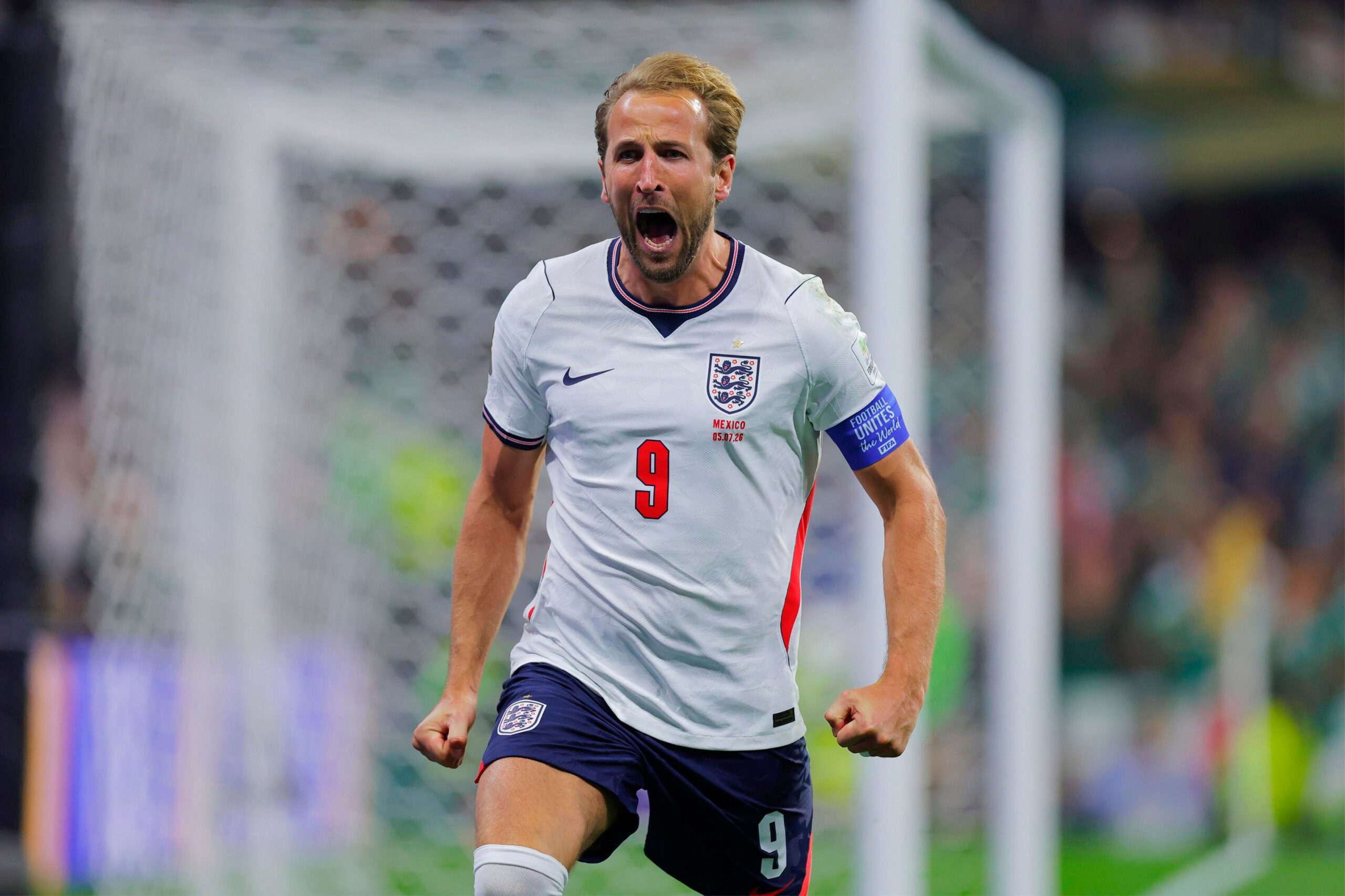
While Bayern Munich, champions by nature, maintain a seemingly calm facade about Harry Kane’s long-term commitment, the tremors are undeniable. Tottenham, his spiritual home, reportedly harbors hopes of a reunion, while Real Madrid and FC Barcelona—Europe’s most gilded names—are said to be circling like hungry raptors. Bayern’s brass might project an air of inevitability, but the global gaze on their star striker hints at something else entirely. “We’re building something significant here in Bavaria. Harry understands that. His place isn’t just secure; it’s central to our vision for European dominance,” insisted Christoph Freund, Bayern’s sporting director, in a private chat we once had. It sounds strong, but then, every club says that when they’re desperate to keep their jewel.
And it’s not just about Kane. Across the continent, Barcelona’s Hansi Flick, an architect of past Bayern glories, is apparently obsessed with Atlético Madrid’s Julián Álvarez. Sources at Mundo Deportivo whisper of a fierce campaign to prise him away for north of €100 million. Think about that for a second. That kind of money—it’s transformative. It isn’t just a fee; it’s an economic statement, a display of commercial muscle flexing that reverberates far beyond the pitch. Real Madrid’s president, Florentino Pérez, a man who built his empire on these kinds of acquisitions, has often quipped, “The very best talents, those with global appeal and a winner’s mentality, will always be on our radar. It’s the standard at Madrid.” He’s not wrong; they simply can’t afford to miss out.
Because ultimately, this isn’t just sport anymore, is it? It’s content. It’s entertainment for billions. From Karachi to Catalonia, fans hang on every rumor, every speculative tweet, because their club’s success translates into national pride, regional bragging rights, even a momentary distraction from domestic woes. In South Asia, where European football enjoys fervent followings—especially among younger, internet-savvy demographics—the movements of these superstars are devoured. Clubs like Real Madrid, Barcelona, and Bayern aren’t just selling jerseys; they’re exporting a lifestyle, a dream, to emerging markets.
Dortmund, meanwhile, is navigating its own talent hunt, aggressively pursuing Genk’s young Greek midfielder Konstantinos Karetsas. The asking price? A cool €35 million, per Sky Germany’s Patrick Berger. It’s an astronomical sum for an 18-year-old, sure, but in this market, you pay for potential, for the myth, for the mere idea of the next big thing. Bayern itself is developing its academy prospects for precisely this purpose: generating revenue. They’re reportedly looking at €12 million for Noël Aséko, for instance, a clean, tidy sum. They know this game. And it’s a high-stakes one.
The murmurs even touch France, where Paris Saint-Germain is sizing up Barcelona’s Ferrán Torres if Bradley Barcola heads for greener pastures. It’s a never-ending cycle, this. Players are assets, shifting fortunes are just leverage, — and loyalty? Well, that’s often a line in a contract, not a heartfelt promise. It’s a ruthless, glittering machine that chews up careers and spits out fortunes, fueled by global broadcasting deals and relentless fan devotion. This economic ecosystem, where player valuations inflate faster than hyperinflation, showcases an international scramble for prestige and market share that dwarfs mere sporting contests.
What This Means
The frenetic pace of these top-tier transfers isn’t merely about which team has the deepest pockets; it reflects a broader economic philosophy where talent is commodified to an extreme degree. We’re seeing clubs operate less like sports organizations and more like global corporations, their valuations intrinsically tied to the market perception of their star players. This hyper-commercialization—driven by broadcasting rights, sponsorships, and digital fan engagement—has transformed football into a significant diplomatic and soft power tool for nation-states and powerful investors alike. The Saudi Pro League’s interest in Kane, though currently rebuffed, is a clear signal of how football’s economic gravitational pull is shifting eastwards, intertwining with national development goals and prestige projects. the sheer financial outlay, like the reported €100 million valuation for Álvarez by Mundo Deportivo, highlights a growing chasm. Elite clubs possess virtually unlimited resources, pulling top-tier talent from around the globe, while smaller leagues and developing football nations struggle to retain their homegrown stars—a kind of perpetual economic drain. It’s a microcosm of hegemonic ambition, played out on grass pitches and in opulent boardrooms, where economic clout directly translates into on-field dominance and, critically, cultural influence. Don’t kid yourself, the policy implications for youth development, financial fair play, and even national identity are profound, shaping future generations of players and fans.