


IPL’s Youthquake: The 15-Year-Old Who Rewrote the Playbook
POLICY WIRE — New Delhi, India — Forget your seasoned pros, your international mainstays. In a league engineered for titans, for seasoned mercenaries wielding power bats, the truly unexpected emerged...

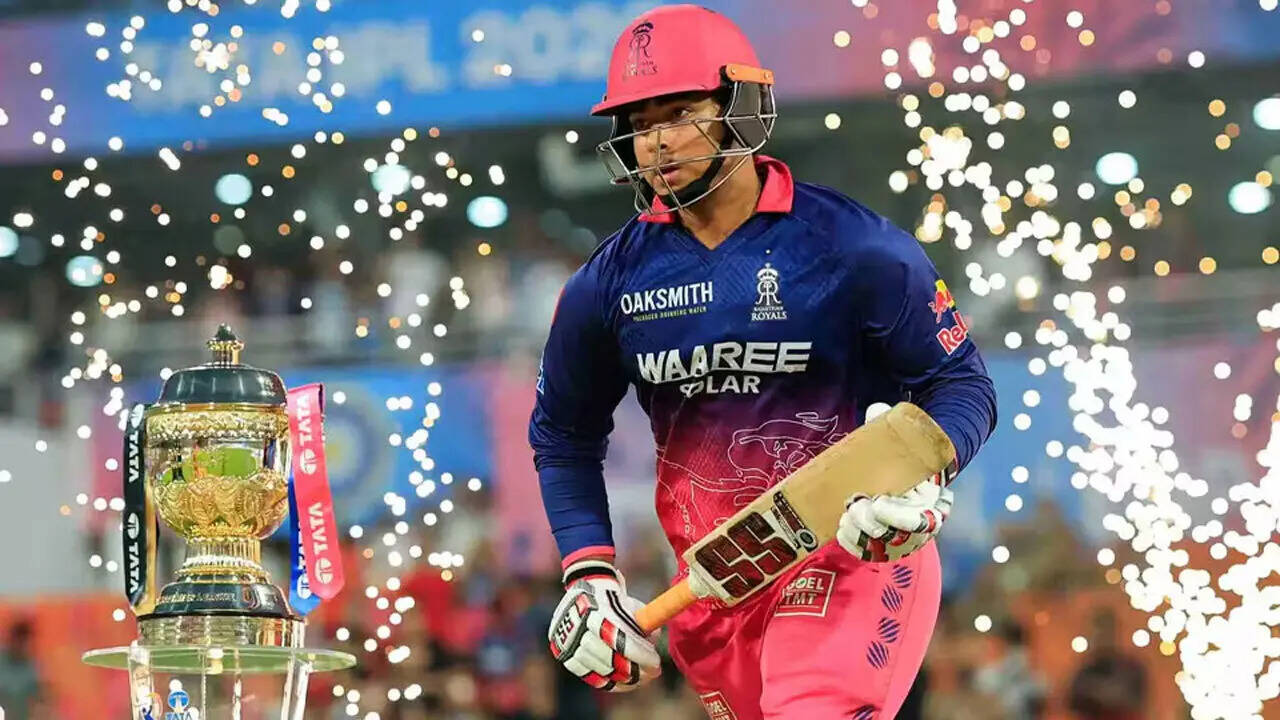
POLICY WIRE — New Delhi, India — Forget your seasoned pros, your international mainstays. In a league engineered for titans, for seasoned mercenaries wielding power bats, the truly unexpected emerged from Rajasthan this past IPL season: a whisper turning into a roar. Vaibhav Sooryavanshi, a name few knew before 2026, didn’t just join the Indian Premier League; he gatecrashed it with the destructive force of a guided missile.
This wasn’t a gentle ascension; it was a hostile takeover of the statistical charts, a brazen affront to conventional cricketing wisdom. He batted like he’d been doing it for decades, not mere years, his confidence — some might call it youthful impunity — shaking even the most unflappable opponents. Bowlers, frankly, had no answers. They tried pace, they tried spin, they tried wide yorkers, full tosses. Nothing stuck. This kid wasn’t just scoring runs; he was redefining what was possible, and doing it with a smile, or perhaps, a wry, teenage smirk.
His numbers for the Rajasthan Royals were not extraordinary by normal measures. They were, instead, outright absurd. Sooryavanshi, a left-handed opener, wrapped up the season as the highest run-scorer. He piled up 776 runs in just 16 innings, maintaining an almost mythical strike rate of 237.30. To put that in perspective, the vast majority of players struggle to break a strike rate of 150 over an entire season. He wasn’t just clearing the boundary; he was relocating the ball to a different postal code, often outside the stadium entirely. In total, he smashed 72 sixes, according to the official tournament statistics—easily surpassing West Indies legend Chris Gayle’s previous record of 59. It’s the kind of performance that makes you question whether the league has quietly adjusted the pitch dimensions or swapped out the cricket balls for oversized beach inflatables.
The critical junctures, the pressure cookers where seasoned professionals often wilt? Those were his playground. In the Eliminator against Sunrisers Hyderabad, a do-or-die affair, he hammered 97 off just 29 balls, rocketing his side into Qualifier 2. He followed that up with a sensational 96 in Qualifier 2 against Gujarat Titans. But for a seven-wicket loss, Rajasthan Royals would’ve seen the final, yet it wasn’t Sooryavanshi’s fault; his fearless strokeplay remained the singular talking point. One couldn’t help but note the contrast: teams invest billions, years in scouting and analytics, only for a teenager to casually render much of it moot with a bat in hand.
Krunal Pandya, Royal Challengers Bengaluru’s seasoned all-rounder, faced him directly during the season. And he even managed a rare feat. “Oh, yeah. We played one game against RR in Guwahati. In fact, I got his wicket as well,” Pandya admitted to the Times of India, a confession tinged perhaps with a touch of professional pride at having solved an otherwise unsolvable riddle. But then the veteran cricketer, accustomed to parsing talent, couldn’t hold back his sheer astonishment. “But boy, what a talent! At 15! Generational talent. To bat like that at 15. Even if you are 30, 40, or 25, to bat like this is commendable. But 15? And he’s not just slogging. That boy has brains.” This isn’t just praise; it’s a testament to how profoundly a player has disrupted the established pecking order.
Because here’s the kicker: this wasn’t brute force alone. The RCB star was quick to point out the maturity in the knockouts. “Look at how he batted in Qualifier-2 vs GT. He played the situation. I’m very eager to see how he continues his journey forward in the next ten years,” Pandya observed. It suggests an innate understanding of the game—the kind typically honed over countless seasons, not before you can legally drive in most parts of the world. And it means he isn’t just a flash in the pan; he’s a strategic thinker who happens to wield a monstrous bat.
Across the Arabian Sea, in countries like Pakistan, Sri Lanka, and Bangladesh—where cricket isn’t just a sport but a fervent national religion and often a sole pathway to economic mobility—Sooryavanshi’s meteoric rise undoubtedly resonates deeply. His story is an unwritten blueprint for countless aspiring youths in bustling gulleys and dusty grounds across the Subcontinent. The IPL’s financial might has always been a draw, a golden ticket out of poverty, but the emergence of a 15-year-old commanding such attention underscores a new reality: age isn’t the barrier it once was, especially when coupled with undeniable, raw talent. This generation of players, steeped in hyper-competitive regional tournaments from a very young age, are simply built differently, perhaps harder, smarter.
What This Means
Sooryavanshi’s phenomenal season, aside from delivering breathtaking entertainment, presents a fascinating political and economic bellwether for South Asia’s sporting landscape. Economically, his rise intensifies the existing pressures and temptations within professional sports for increasingly younger talent. We’re seeing a new acceleration of the youth sports pipeline—scouts, agents, and corporations will now, more than ever, be scouring junior leagues with a zeal previously reserved for established professionals. This could either open doors for unprecedented upward mobility or, conversely, exacerbate the exploitative aspects of youth sports, pushing children into highly commercialized environments too soon. Think of the potential for undue influence, for early burnouts, for education sacrificed at the altar of athletic prowess.
Politically, his emergence strengthens cricket’s already formidable soft power across the Subcontinent. In a region frequently marked by complex geopolitical dynamics, a unifying cultural phenomenon like cricket — and individual stories of extraordinary talent — offers a rare point of commonality. It reinforces narratives of meritocracy — and ambition within these nations. India, through the IPL, continues to cement its position as the global financial and organizational hub of cricket, drawing in talent and eyeballs from Islamabad to Colombo, and increasingly setting the standards for professional athletic development. Just as mountaineering can expose socio-economic disparities, cricket reveals the concentrated wealth and opportunity structures emerging from nations with robust commercial infrastructure for the sport. this also sets an almost impossibly high bar, pushing other cricketing nations to re-evaluate their youth development structures if they aim to compete at this hyper-accelerated level. We’re witnessing not just a new star, but perhaps, the genesis of a new era of talent management and national sporting identity.