


Pink Prodigy: A Flamingo’s Arrival Stirs Deeper Questions on Global Conservation
POLICY WIRE — GENEVA — Not every birth carries the weight of a policy debate, but then again, not every birth occurs in an institution tasked with safeguarding species against the relentless march of...

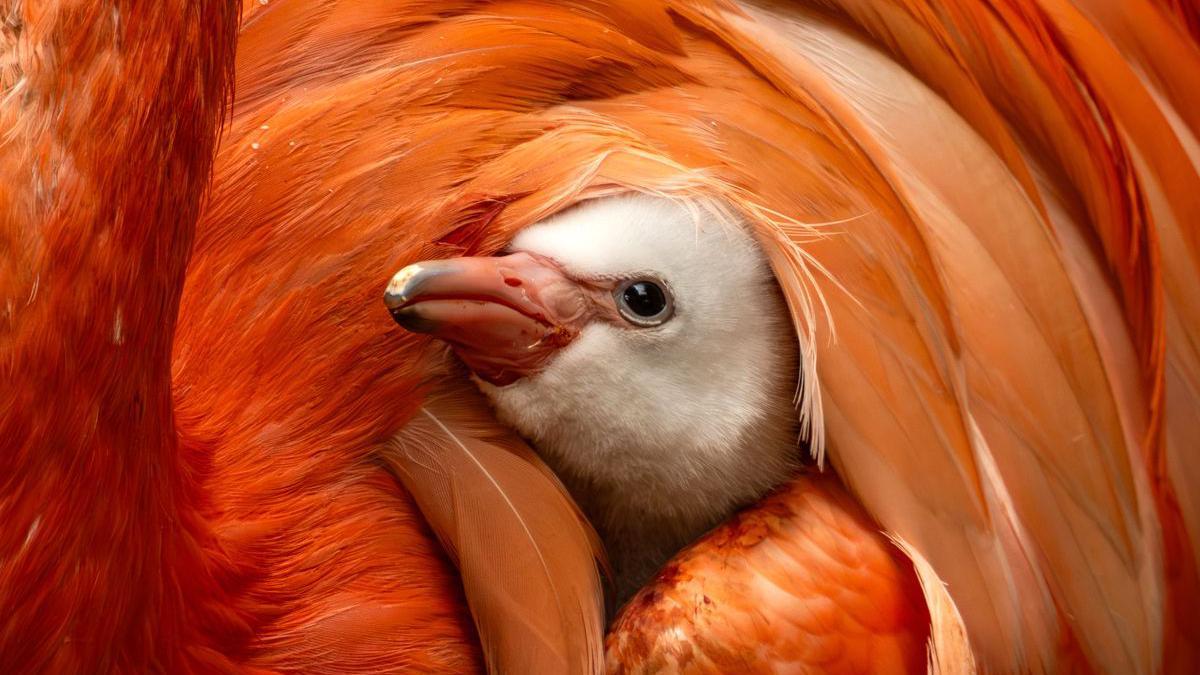
POLICY WIRE — GENEVA — Not every birth carries the weight of a policy debate, but then again, not every birth occurs in an institution tasked with safeguarding species against the relentless march of human development. A newborn flamingo chick, all ungainly limbs and hesitant preening, has recently made its debut at a high-profile urban wildlife sanctuary, ostensibly a moment of unadulterated joy. But for those watching closely, it’s less a sweet nursery tale and more a thorny question mark hanging over the effectiveness—and ethics—of modern conservation efforts. Call it a pink prodigy, if you like, yet its very existence throws stark light on issues far grander than its tiny frame suggests.
This park, you see, isn’t just any park. It’s the same enclosure that, just months ago, saw ‘Frankie’, another charismatic flamingo, make an audacious bid for freedom. That incident, rather amusingly for casual observers, spotlighted the inherent tension in trying to simulate ‘wild’ within carefully controlled confines. Frankie’s flight wasn’t merely a zookeeper’s headache; it was a potent symbol of species pushed to their limits, their instincts clashing with human-made boundaries. Now, with a new life fluttering awkwardly into existence, the institution faces renewed scrutiny. Are these parks truly bastions of conservation, or just elaborate holding pens? And how do these curated triumphs measure up against the vast, deteriorating ecosystems of the wider world?
“Every new life represents a fragile victory in the face of unprecedented environmental strain,” offered Secretary Elara Vance of the International Union for Conservation of Nature (IUCN), her voice measured but tinged with that familiar bureaucratic optimism. “It’s proof that dedicated conservation strategies, even within managed environments, can yield results. But we aren’t deluding ourselves—the challenges extend far beyond a single aviary.” Indeed. Because for every well-managed park, there’s an ancient forest burning, an ocean choking, or a desert encroaching. The stark reality is, zoos shoulder a responsibility that global policies often struggle to fulfill. They’re patching up leaks with thimbles, really, while the Titanic takes on water.
But the pressure isn’t just on captive breeding. Across the Indian subcontinent and beyond, the natural habitats of such magnificent birds are shrinking at an alarming rate. Wetlands, vital for species like flamingos, are routinely sacrificed for agriculture, urban expansion, or industrial projects. In Pakistan, for instance, efforts to preserve migratory bird routes through areas like the Haleji Lake Wildlife Sanctuary contend with dwindling water resources and rampant pollution. It’s a delicate balancing act, one that often tips disastrously against the natural world. One study published in the journal Conservation Biology in 2021 indicated that global wetland areas have decreased by over 30% since 1970, with Asian wetlands facing some of the most rapid degradation, presenting a bleak picture for species relying on these sensitive ecosystems. And frankly, this little chick won’t know the difference. Its reality is here, within this well-funded enclosure.
“While we celebrate these small successes, the broader picture for avian biodiversity, especially migratory species, remains profoundly concerning,” stated Dr. Imran Pasha, director of the International Wildlife Trust, who has spent decades working on conservation projects from the wetlands of Sindh to the sprawling deltas of Bangladesh. “Parks like this do a commendable job raising awareness, but without sustained international investment in protecting natural habitats, these captive populations risk becoming mere museum pieces. We’re facing an extinction crisis that can’t be solved one newborn at a time.” It’s a sobering thought, one often obscured by the media-friendly imagery of fluffy new arrivals.
But doesn’t that raise the question: is it enough to simply ensure survival behind bars? Is true conservation not about safeguarding the intricate web of ecosystems where these animals naturally thrive? And can we, as a global society, continue to marvel at these individual births while doing so little to preserve the grand, sprawling wildernesses they represent? These institutions walk a tightrope, you know, caught between educational mandates, visitor expectations, and the increasingly desperate cries of a planet under siege.
What This Means
This flamingo’s arrival, following closely on the heels of its sibling’s dramatic, if temporary, reassertion of wildness, isn’t just a feel-good story for local news. It symbolizes the often-contradictory currents within global environmental policy. Economically, well-resourced urban wildlife sanctuaries represent significant investment—millions poured into infrastructure, veterinary care, and expert staffing. These expenditures are often justified as contributions to species survival and public education, yet they implicitly highlight the insufficient funding for grassroots, in-situ conservation efforts that protect animals in their natural settings. Politically, the narrative of a successful birth provides convenient PR for agencies keen to demonstrate tangible results, often overshadowing systemic failures in broader ecological management. This creates a kind of conservation theatre, where a curated victory can distract from a deteriorating reality outside the walls. For developing nations, particularly in regions like South Asia struggling with burgeoning populations and economic pressures, the concept of dedicated, expansive wildlife preservation often clashes with immediate development needs, further complicating the global effort to truly halt biodiversity loss. It’s a stark reminder: you can keep counting individual successes, but if the larger home is collapsing, those numbers mean precious little in the long run.