
Drawn by Midnight Kick-offs: Britain’s Strange Devotion to the Beautiful Game
POLICY WIRE — London, UK — Britain awoke, not to the usual Monday morning drone, but to a collective national hangover. The culprit? Football, naturally—or more specifically, a rather absurd 2 AM BST...

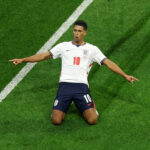
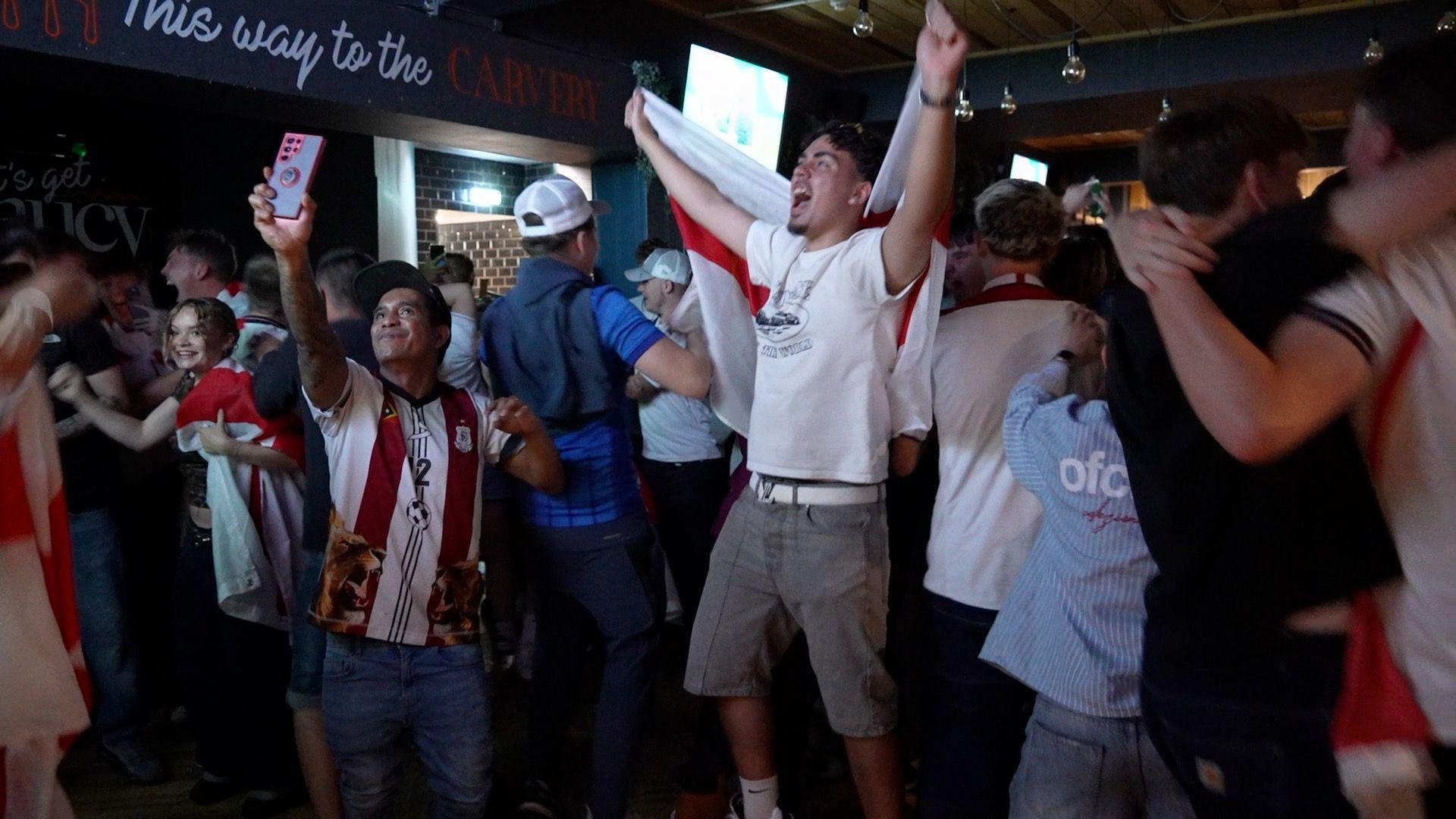
POLICY WIRE — London, UK — Britain awoke, not to the usual Monday morning drone, but to a collective national hangover. The culprit? Football, naturally—or more specifically, a rather absurd 2 AM BST kick-off that saw England narrowly defeat Mexico 3-2 in a World Cup last-16 clash from a rain-lashed Mexico City.
It wasn’t just a late-night match; it was a bizarre endurance test. Three hundred souls crammed into The Hyde Dendy in Paignton, Devon, while another 350 descended upon the Brittania Inn in St Austell, Cornwall. They didn’t just watch it; they endured it, braving biblical downpours that delayed the start by an hour, pushing the final whistle well past 4 AM. But still, they stayed. Why? Because, as one fan, Billy Martin, sagely observed while proclaiming football his ‘first love’ over his partner, ‘England’s playing. I have to support my country.’
This peculiar nocturnal ritual wasn’t an accident of the global schedule alone. Prime Minister Sir Keir Starmer, with what some might call populist foresight, had eased restrictions just days earlier, allowing pubs to extend their hours until 5 AM. A stroke of genius for national morale, perhaps, or a calculated nod to a restless electorate? For publicans like Xander Narvidge in Paignton, it meant hiring 20 extra staff — and a chaotic, if lucrative, night. ‘Good amount of people, great atmosphere,’ Narvidge reported, though he candidly admitted hoping for a ‘bit more sensible kick off time’ next time around. Phil Lafferty, landlord at the Brittania, simply called it ‘an incredible evening and something we have never done before.’
Because when it comes to the Three Lions, sleep schedules are mere suggestions, work obligations (for those like Charlie Rolfe, heading straight to his 6 AM shift) become secondary, and sanity — well, that’s often a luxury. This national fervour, this unwavering, slightly deranged dedication, isn’t unique to England. Walk through Lahore or Jakarta during a major international tournament, and you’ll find streets eerily quiet or homes bursting with late-night watchers, proving the ‘beautiful game’s’ societal pull transcends oceans and time zones, binding diverse cultures in a shared insomnia.
And who could argue with a bit of national unity, however fleeting or exhaustion-induced? Sir Keir Starmer certainly didn’t. Speaking on the governmental rationale, he’d previously stated, ‘We understand the collective passion, don’t we? It’s about more than just a game; it’s national morale. Allowing our local businesses to thrive while fostering that spirit? That’s what responsible leadership looks like.’ A neat sidestep, that, neatly packaging commercial gain with patriotic uplift.
But not everyone is so easily swayed by the spectacle. Eleanor Vance, an MP with a known focus on public welfare, didn’t hold back. ‘While the Prime Minister grandstands on ‘national morale,’ he’s conveniently overlooking the public health implications. Sleep deprivation isn’t a badge of honour, and we should be promoting rest, not encouraging late-night binges fuelled by political expediency.’
Still, the economic impact, however localised, was clear. According to preliminary data compiled by UK Hospitality Association analysts, pubs that participated in the extended hours scheme reportedly saw an average revenue bump of 35% between 1 AM and 5 AM on Monday morning. That’s a considerable windfall in typically dead hours for many establishments—a minor shot in the arm for a sector that’s been through the mill lately. England faces Norway next, at the rather more sociable hour of 10 PM BST on Saturday, which should be a relief for all involved—though don’t expect the pubs to close any earlier.
What This Means
The government’s decision to loosen licensing laws for such late-night events reflects a broader political calculation: leverage popular culture for public favour, even if it comes with the odd societal side-effect. On one hand, it’s a savvy move that earns goodwill from football fans and provides a temporary economic boost to struggling hospitality venues. Think of it as a low-cost, high-impact morale booster during what could otherwise be a dour period. It gives people something collective to cheer for, an escapism from grim economic forecasts or ongoing political spats.
Conversely, it raises questions about public health policies — and the government’s priorities. The subtle—or not-so-subtle—encouragement of extreme sleep deprivation for entertainment could be seen as shortsighted, possibly impacting workplace productivity and general well-being for days. And it normalises what was once an unusual event. for the government, it’s a calculated gamble; associating themselves with national triumph, regardless of its underlying costs, can translate into soft political capital. They’ve successfully framed an inconvenience into an act of national dedication, making the state seem attuned to the pulse of the working class. Ultimately, it’s a temporary patch on national malaise, but a highly effective one, wouldn’t you say? Especially when the team actually wins. For now, we’re told it’s just ‘passion,’ but there’s always an underlying current of political calculation when national identity—and late-night beer sales—are involved. See how European football’s financial front lines also impact policy, or explore how local gestures can hint at larger systemic issues.