
Europe’s Deadly Heatwave: A Climate Wake-Up Call the World Must Not Ignore
Europe is currently burning under one of the most extreme heat waves in recent history. The continent, known for its historic cities and temperate summers, is now battling scorching temperatures,...

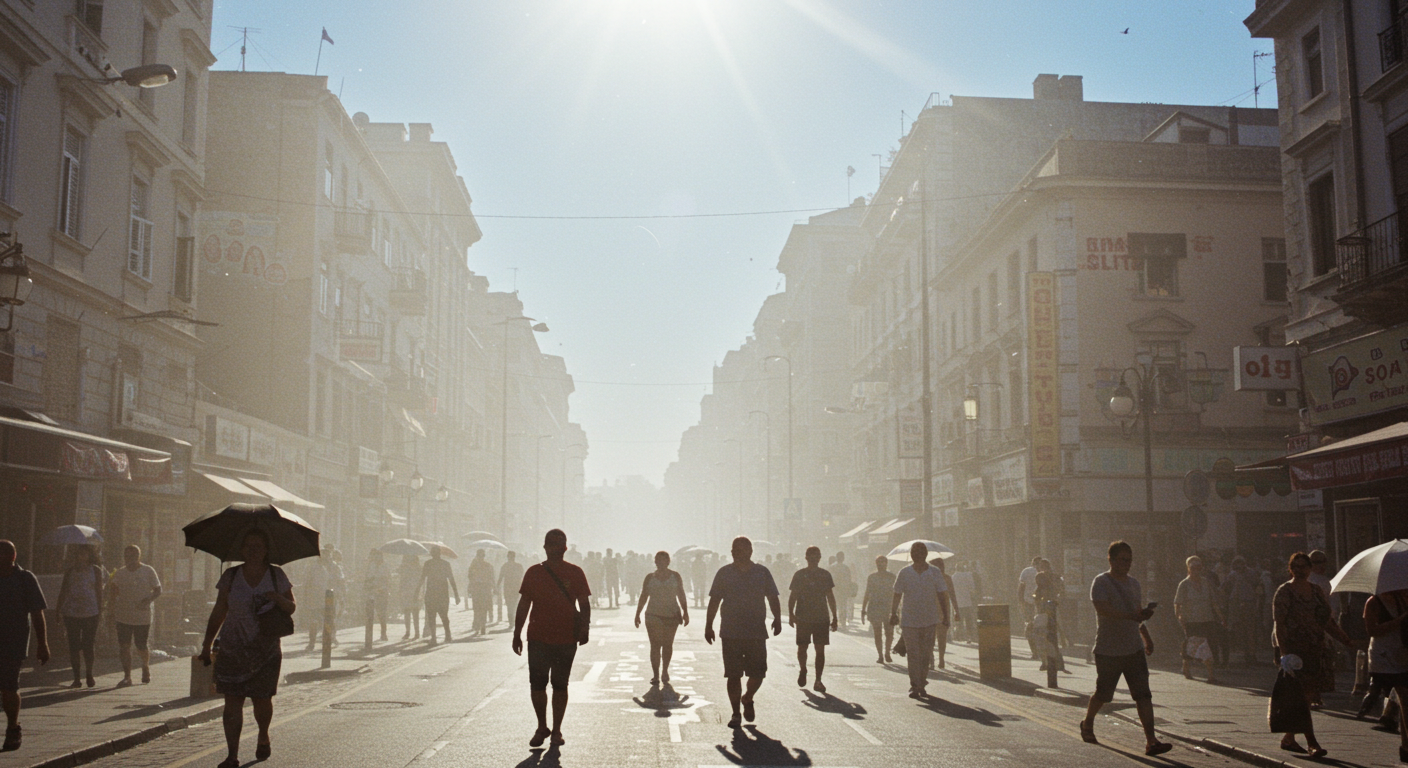
Europe is currently burning under one of the most extreme heat waves in recent history. The continent, known for its historic cities and temperate summers, is now battling scorching temperatures, deadly wildfires, and thousands of heat-related deaths. From Portugal to Greece, the devastation is not just physical, it is a sign of something much deeper and far more dangerous: a climate emergency spiraling out of control. According to credible international reports, temperatures in southern Europe have soared past 46°C, killing over 2,300 people in just 10 days across multiple countries. Wildfires have consumed forests, displaced families, and destroyed livelihoods. Scientists have now confirmed what many be afraid of, this crisis is directly tied to climate change, and the world is still not ready.
The Human Cost of Rising Heat
Heatwaves are often underestimated. They come quietly, without the immediate shock of floods or earthquakes, but they kill silently, especially the most vulnerable: the elderly, the sick, children, and those working outdoors. In France, Spain, Portugal, and Italy, emergency services have reported thousands of people suffering from heatstroke and dehydration. Cities like Madrid, Paris, and Rome have turned parks into cooling shelters and distributed water to the homeless. In the UK, known for its mild weather, the situation has been equally alarming. Parts of the country have imposed hosepipe bans and issued drought warnings. Wildfires have spread across grasslands, and the government has asked people to conserve water and avoid outdoor work during peak hours. In Greece, one of the hottest countries during this wave, the Acropolis was shut down during midday hours to protect both tourists and staff. Firefighters in Crete and Rhodes were forced to evacuate hundreds as flames approached residential areas. In Spain, two farmers died while trying to escape a fast-moving fire in Catalonia. The fire burned over 6,000 hectares of land, damaging crops and livestock.
A Climate Catastrophe
What makes this heatwave even more alarming is that it’s not a rare event anymore. Scientists from the London School of Hygiene and Tropical Medicine and Imperial College London revealed that 1,500 of the 2,300 deaths were directly linked to human-induced climate change. Without the rise in global temperatures caused by greenhouse gas emissions, such extreme heat would have been far less likely. Climate change is not a distant threat. It is here, now, and lethal. This is no longer about saving polar bears or ice caps; it is about saving lives in Europe, Asia, Africa, and everywhere else. Every fraction of a degree matters and if world leaders continue to delay meaningful action, we are only going to see more frequent and more deadly heatwaves.
Europe’s Infrastructure Under Pressure
European countries have strong healthcare systems, disaster response teams, and modern infrastructure. Yet, they still struggled to cope. That alone should terrify the rest of the world. If advanced nations with resources are overwhelmed, what hope is there for poorer regions? Hospitals in Spain were flooded with patients suffering from heatstroke. Schools in France closed early to avoid exposing children to dangerous heat. Trains were delayed or stopped altogether in Italy because tracks were at risk of melting. Power grids were under strain due to increased air conditioning usage. Nuclear plants in France reduced operations because the rivers used to cool them were too warm. This crisis also had an economic cost. Tourism, Europe’s summer economic engine, was hit hard. Flights were disrupted. Outdoor festivals were cancelled. In many regions, vineyards and farms lost entire harvests to fire or drought.
Fire on All Fronts
Wildfires are now an annual tragedy across southern Europe. But this year’s fires were fiercer and faster than before. In Portugal, Spain, France, Italy, Greece, and Turkey, tens of thousands of hectares of land were lost. People fled their homes with nothing but their pets and photographs. Wildlife perished in huge numbers. The air turned toxic with smoke, making breathing difficult even in areas far from the actual fire. Some climate experts warn that Europe is quickly becoming a “hotspot for heat-driven disasters.” If immediate changes are not made, both in how we use energy and how we prepare for emergencies, millions of people may face displacement, health risks, and poverty.
A Global Warning, Not Just a European Problem
While the crisis is unfolding in Europe, its message is global. Countries like Pakistan, India, and Bangladesh have already seen similar patterns. Droughts, floods, and deadly heat waves are becoming the new normal. In 2022, Pakistan faced one of the deadliest floods in its history. This year, India experienced a blistering heatwave that melted roads and forced school closures. What is happening in Europe today will happen elsewhere tomorrow. Climate change does not recognize borders. It impacts everyone, from the global north to the global south. The difference lies in the ability to respond. Wealthier nations may be able to install cooling centers and early warning systems, but poorer nations will suffer more, even though they contributed far less to the problem.
There is still hope, but only if action is immediate. Governments must accelerate the transition away from fossil fuels to renewable energy. They must Implement climate adaptation strategies, especially in vulnerable areas, Increase public awareness and create early warning systems for heatwaves. Support developing countries in their climate resilience efforts and enforce international commitments like the Paris Agreement with urgency. Individuals also play a role. From reducing personal carbon footprints to demanding stronger environmental policies, the public must remain involved. This is no longer a task for future generations, it is a fight for our present survival.
Final Thoughts
Europe’s deadly heatwave is a climate warning written in fire and smoke. It has exposed how fragile even the strongest nations are in the face of nature’s fury. Let this be the moment the world finally listens. Let it be the moment every nation should stop talking and start acting. because if globally all fail now, the next wave won’t just be hotter, it may be unstoppable.
Author