


Silent Infiltrations: Phantom Recruitment Texts Stir Digital Disquiet in Israel
POLICY WIRE — Tel Aviv, Israel — It’s a battlefield less about munitions and more about psychological whispers, played out on the miniature screens of everyday citizens. For weeks now, Israelis have...

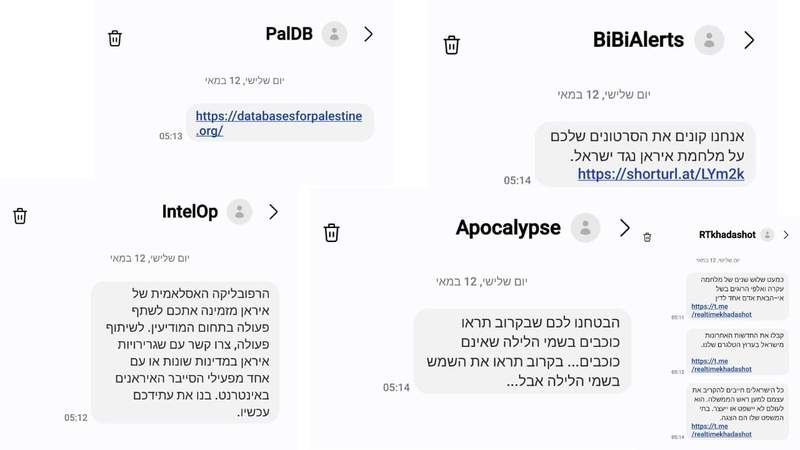
POLICY WIRE — Tel Aviv, Israel — It’s a battlefield less about munitions and more about psychological whispers, played out on the miniature screens of everyday citizens. For weeks now, Israelis have been grappling with a new kind of menace: phantom text messages. These aren’t just spam, though many might dismiss them as such; they’re overtures for collaboration, veiled threats, or attempts to sow disquiet, all allegedly emanating from Tehran’s digital shadow apparatus.
It sounds like something from a spy thriller — clandestine offers, promises of riches, or ominous warnings pinging directly into personal phones. But it’s real, — and it’s raising eyebrows across Israel’s robust, if perpetually embattled, security establishment. Some texts solicit recruitment for shadowy organizations; others threaten exposure for perceived moral transgressions; still more simply aim to rattle the recipient’s sense of security. And they’re not localized. Reports have come in from across the country, indicating a broad-stroke campaign.
“This isn’t ‘Dr. No’ with a secret lair, it’s glorified spam,” remarked Lieutenant Colonel Avi Cohen, spokesperson for Israel’s Ministry of Defense, with a dry chuckle during a recent briefing. “But even spam, left unchecked, can infect systems. It’s a low-cost, low-risk way for adversaries to test boundaries — and harvest intelligence. We take every attempt to sow discord seriously, however amateurish it might seem.”
But the seemingly “amateurish” nature belies a more sophisticated strategic underpinning. This digital badgering signals a broader, global shift in asymmetrical warfare. Nation-states aren’t just relying on conventional military muscle; they’re investing heavily in the murky world of cyber influence operations. According to CrowdStrike’s 2023 Global Threat Report, nation-state adversaries conducted 11% more attacks in 2022 compared to the previous year, with a growing focus on intelligence gathering and disruptive operations. This latest wave of texts fits right into that uncomfortable trend, aiming to erode trust, gather data, and perhaps even identify disgruntled individuals.
The alleged source, Iran, isn’t new to this game. For decades, Tehran has leveraged proxy networks, soft power, and intricate information campaigns to extend its influence throughout the Middle East and beyond. From Beirut’s alleyways to the bustling markets of Karachi — Pakistan, like many Muslim-majority nations, finds itself caught in the broader geopolitical currents that swirl between these regional antagonists. It’s not a stretch to imagine similar, if perhaps localized, psychological campaigns running in other sensitive zones. And the technology makes cross-border penetration far easier than ever before. There’s no physical barrier to text messages, is there?
📄 POLICY WIRE WHITEPAPER PUBLISHED: PAKISTAN'S NATIONAL SECURITY POLICY PRIORITIES
👉 READ BY CLICKING HERE“When one side consistently employs kinetic and covert actions, they shouldn’t be surprised when the other innovates,” argued Dr. Hamid Reza Shahpour, a Professor of International Relations at Tehran University, in an online seminar earlier this month. “This is the age of information; the battlefield extends to every mobile phone. It’s about engagement, perhaps even truth, from our perspective—reaching out directly to populations historically fed one-sided narratives.”
That’s certainly one way of looking at it. But to many in Jerusalem, it’s plain old information warfare. This kind of tactic reflects a calculated effort to bypass traditional media, governmental firewalls, and direct intelligence agency scrutiny, directly reaching the populace.
What This Means
This digital dust-up goes far beyond just annoying pings on people’s phones; it represents a significant evolution in state-sponsored espionage and psychological operations. For intelligence agencies, it’s a tricky game. How do you counter something so diffuse — and decentralized? Traditional methods of interception or kinetic response fall flat when the enemy is a phantom number on an app. It also implies a substantial financial burden on targeted nations to develop and deploy countermeasures, educate their populations on digital literacy, and mitigate the social instability that could arise from widespread distrust. Economically, heightened cybersecurity alert levels across national infrastructure—not just military but civilian services, too—are costly to maintain. Politically, it complicates any path towards de-escalation, embedding animosity deeper within civilian consciousness. This subtle digital war of nerves, with its low-frequency but high-impact potential, reshapes how nations project power, challenge adversaries, and vie for control of public sentiment in an increasingly interconnected — and easily manipulated — global society. It’s a messy new normal. For more on how geopolitical tensions play out on the global stage, you might find Silent Factions, Staged Smiles: Trump-Xi Summit’s Uneasy Afterglow Defines a New Global Chessboard illuminating. Or consider Octagon Diplomacy for an unconventional take on global influence.