

EU Seeks to Tilt Global Mineral Power Balance, Offers Brazil ‘More Beneficial’ Partnership Than US or China
POLICY WIRE — Brussels, Belgium / Brasília, Brazil — In a calculated move designed to recalibrate global supply chains and lessen its reliance on Asian powerhou...

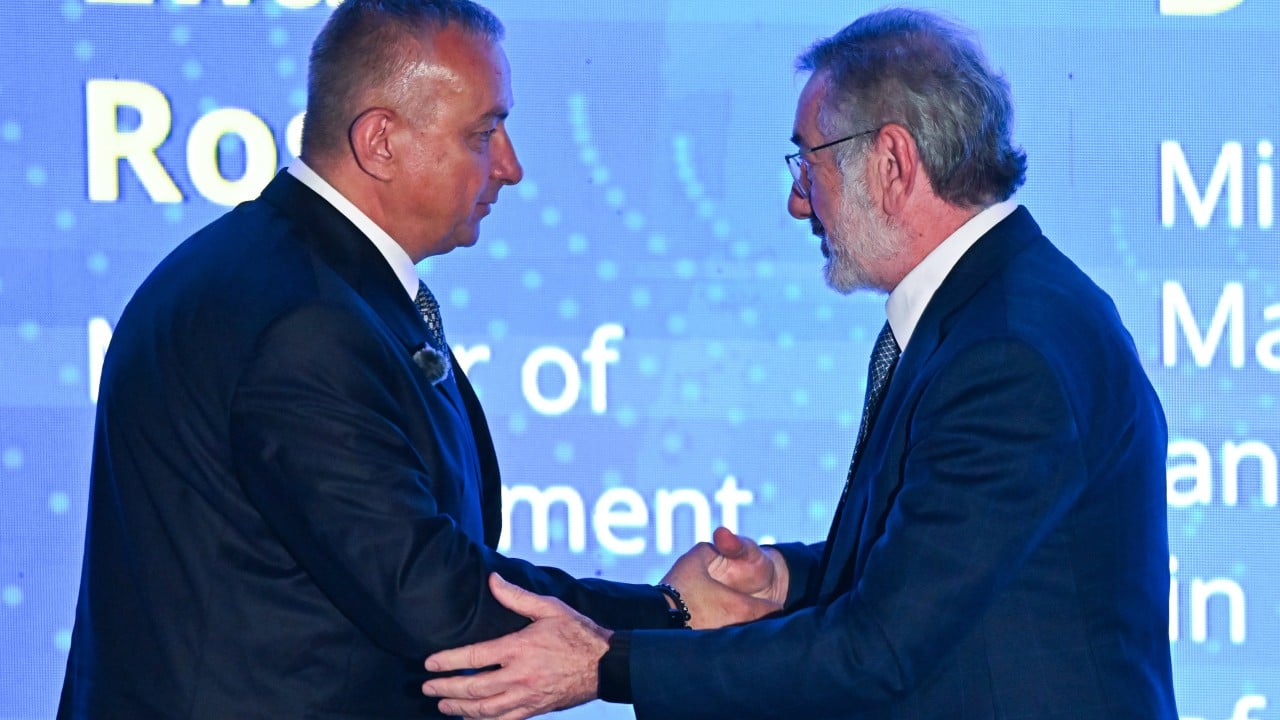
POLICY WIRE — Brussels, Belgium / Brasília, Brazil — In a calculated move designed to recalibrate global supply chains and lessen its reliance on Asian powerhouses, the European Union has directly approached Brazil with an enticing proposition for critical mineral extraction and processing. The bloc’s international partnerships commissioner, Jozef Sikela, underscored this new thrust by declaring on Thursday that the EU is offering Brazil a “more beneficial” partnership on these essential resources than either the United States or China. (Reporting based on Reuters)
Commissioner Sikela, whose portfolio involves the cultivation of strategic global alliances, positioned the offer as a concerted effort by Brussels to secure vital raw materials. This initiative includes pledges for significant investment in Brazil’s domestic refining capabilities and technology sectors, aimed squarely at integrating the South American nation more deeply into the European industrial ecosystem. Such a move is hardly altruistic; it arrives as the EU grapples with persistent concerns over its acute dependence on Chinese supply chains for an array of critical minerals, many of which are indispensable for green energy transition technologies and advanced electronics.
The strategic overture formed a central pillar of Sikela’s week-long visit to Brazil, a journey that featured engagements across various crucial sectors. While the precise details of the offer are still emerging, it’s clear that the EU seeks to tap into Brazil’s considerable mineral wealth while simultaneously fostering local industrial growth, thereby presenting an alternative to existing or potential arrangements with Washington or Beijing. One highlight of the trip, which took place on Saturday, included a stop at a rare earth research and development facility – a strong indicator of the EU’s focus on the entire value chain of these prized elements.
For context, critical minerals like rare earths, lithium, cobalt, and nickel are not just commodities; they’re the bedrock of the 21st-century economy. They’re essential components in everything from electric vehicle batteries and wind turbines to semiconductors and defense systems. The global demand for these materials is projected to surge dramatically in the coming decades, driven by the push towards decarbonization and technological innovation. China, through decades of strategic investment, currently dominates much of the extraction, processing, and refining of many of these minerals, giving it substantial leverage over global industries. (General knowledge)
The EU’s proactive engagement with Brazil marks a more assertive approach to raw materials security. Previously, the bloc has often found itself playing catch-up, but recent geopolitical disruptions — including supply chain vulnerabilities exposed during the pandemic and heightened tensions in international trade — have prompted a fundamental reassessment. This strategy aligns with the EU’s broader push to build ‘resilient supply chains’ and ‘strategic autonomy,’ terms that have become commonplace in Brussels policy debates. By investing in Brazil’s processing capacity, the EU isn’t merely looking to diversify its sourcing; it aims to diversify *where* these critical stages of the supply chain occur, effectively decentralizing the global minerals economy away from its current concentrations. (General knowledge)
Brazil, rich in diverse mineral resources including rare earths, iron ore, and nickel, represents an attractive partner. The nation’s significant, though sometimes underdeveloped, mining sector holds immense potential. For Brazil, the EU’s offer could represent an opportunity for substantial foreign direct investment and technology transfer, enabling it to move beyond simply extracting raw ore and into higher-value processing activities. This could create more jobs and stimulate economic growth domestically, rather than merely exporting raw materials for other nations to process and profit from. However, such partnerships also come with their own set of considerations, including environmental safeguards and socio-economic impacts that any major mining and processing expansion would entail. (General knowledge)
The competitive angle is significant. Both the United States — and China have their own strategies for securing critical minerals. Washington, through initiatives like the Minerals Security Partnership, aims to strengthen alliances with mineral-rich countries and reduce dependence on geopolitical rivals. China, meanwhile, continues to solidify its extensive network of mining — and processing investments worldwide. By explicitly positioning its offer as “more beneficial,” the EU is entering a direct, albeit sophisticated, bidding war for influence and resources, leveraging its regulatory standards, market access, and investment capital as key differentiators. The success of this approach will hinge not just on the financial incentives but also on the perceived long-term stability and equitable nature of the partnership offered. (General knowledge)
What This Means
The EU’s bid to strengthen critical mineral ties with Brazil signals a clear and present shift in global resource diplomacy. This isn’t merely about commerce; it’s a strategic maneuver designed to future-proof Europe’s industrial base and foster greater geopolitical resilience. The ‘more beneficial’ framing, as articulated by Commissioner Sikela, suggests a package that transcends simple purchasing agreements, focusing instead on mutual development and the establishment of robust, vertically integrated supply chains within a trusted framework.
For Brazil, the choice of partners could profoundly shape its economic trajectory and influence its role on the global stage. Opting for a deepened partnership with the EU offers an alternative to dominant American or Chinese influence, potentially enabling more diversified foreign policy and trade relations. However, such decisions are complex, often balancing immediate economic benefits against long-term geopolitical alignments and domestic developmental goals. The specific details of the proposed investments — whether they’re truly transformative for Brazil’s local industries, and how they navigate environmental and labor considerations — will be crucial in determining the partnership’s real-world impact and its competitive edge.
Ultimately, the EU’s move illustrates the intense, quiet competition unfolding for control over the raw materials essential for the coming decades. It underscores a global reality where resource security has become as vital as energy security, shaping diplomatic priorities and industrial strategies from Brussels to Brasilia and beyond. The question remains: how will this European initiative resonate with Brazil’s leaders, and will it genuinely tip the balance in a geopolitical contest increasingly defined by access to critical minerals?