


Entertainment Under Siege: Albuquerque Shooting Unmasks Cracks in Urban Fabric
POLICY WIRE — Albuquerque, New Mexico — Not long ago, the Main Event complex on Pan American Freeway promised exactly what its name suggested: a principal attraction. Lasers zipping, pins clattering,...

POLICY WIRE — Albuquerque, New Mexico — Not long ago, the Main Event complex on Pan American Freeway promised exactly what its name suggested: a principal attraction. Lasers zipping, pins clattering, kids shouting; it’s the carefully engineered din of wholesome, middle-class fun. But last month, that engineered happiness shattered with a single gunshot. It wasn’t a rogue arcade game or a misunderstanding over bowling shoes. It was murder. And it happened after a couple of teenagers, allegedly armed, got booted from the premises, then sat themselves on a curb outside. Ordinary stuff, until it wasn’t. We’ve got another tragic marker of how thin the veneer of public order can feel sometimes.
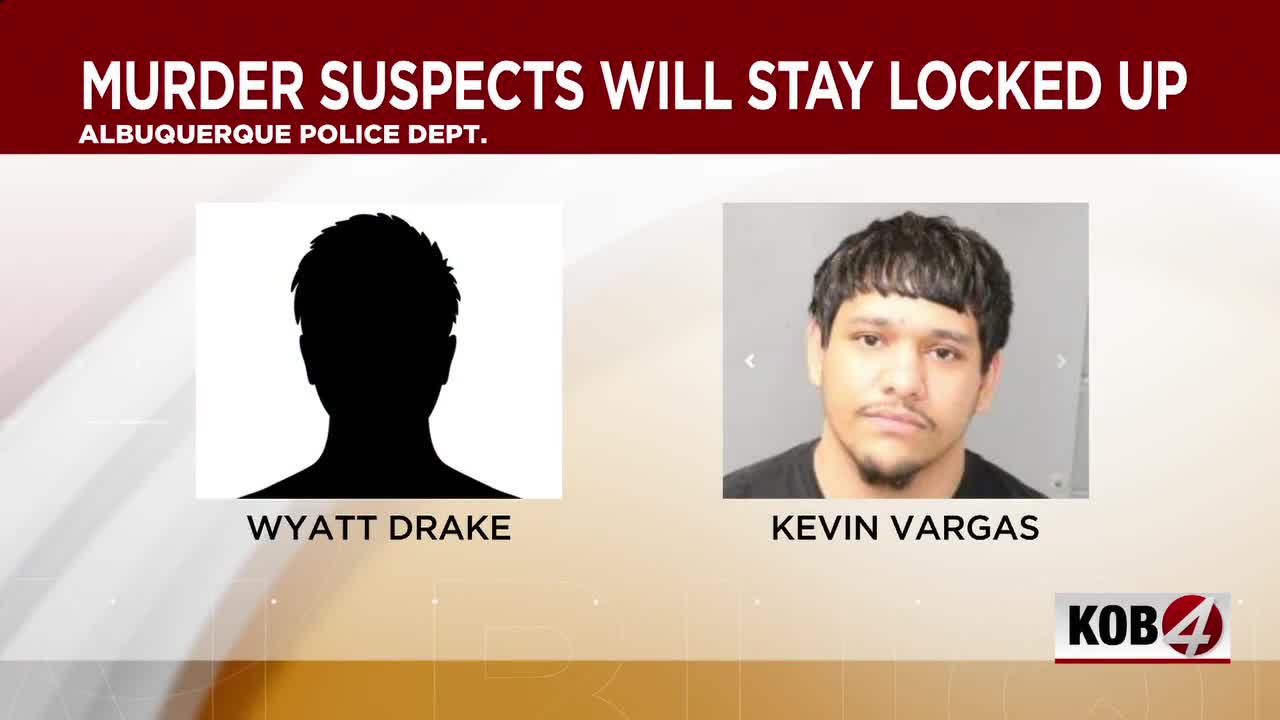
Prosecutors here in Bernalillo County are pushing to charge Wyatt Drake, a 17-year-old, as an adult in the killing of Isaiah Jackson-Herrera. This isn’t just bureaucratic maneuvering; it’s a policy statement, loud — and clear. They’re saying this crime, this act of terminal aggression outside what ought to be a refuge for families, isn’t kids being kids. It’s a fundamental breakdown. You see it play out repeatedly in news cycles, an almost ritualistic announcement of a young life irrevocably altered, often alongside another prematurely extinguished.
District Attorney Sam Trujillo (we’ll call him Sam, we’ve shared too many stale coffees over two decades not to) issued a statement on the matter that read like a familiar, weary declaration of intent. “Our office operates with a clear mandate: to ensure justice for victims and to hold perpetrators accountable, irrespective of their age in the conventional sense when an adult crime has been committed,” Trujillo stated, his public relations team likely fine-tuning each word for maximum impact. “We simply cannot permit such acts of brutal violence to fester unchecked on our streets, particularly when they shatter the safety families expect.” It’s a sentiment heard from state capitals to municipal courtrooms across the nation.
Drake, along with Kevin Vargas, his alleged accomplice, had guns, authorities claim. Inside an entertainment center, no less. Imagine the casual entitlement required to walk into a family establishment, a firearm on your person, not hidden particularly well. An employee spotted the weapon poking from Drake’s backpack. So they got kicked out. And there they sat, outside, just waiting for the situation to escalate, for something terrible to be born from that simmering adolescent bravado. And that’s precisely what happened when Jackson-Herrera — and his family walked past. A fight, a shot, a life gone. It’s a stark illustration of how easily routine social friction can erupt into terminal tragedy.
The incident forces you to consider not just the individuals involved, but the environment that breeds such recklessness. What’s become of our public spaces, anyway? Aren’t they meant to be common ground, safe zones? They’re clearly not for everyone, not anymore. You just need to glance at discussions around Albuquerque’s urban policies and public behavior to see the anxiety that permeates everyday life in so many places. We’re grappling with a generation—or at least a visible segment of one—for whom disputes are settled not with words or even fists, but with lethal force.
“There’s a growing current of desperation, a disconnection, you see in our youth across communities,” offered Reverend Adnan Sheikh, a prominent interfaith leader whose mosque often works with disaffected Muslim youth groups and migrant families in Texas, connecting his local observations to broader issues within South Asia and Muslim-majority countries. “The social contracts, they feel frayed. Whether it’s here, or in Karachi’s bustling streets, or a remote village in Balochistan facing economic precarity, when young people don’t see a clear path, or feel deeply disrespected, violence becomes a tragic language. We have to address the root, the deep socio-economic exclusion, before it takes more of our children.” He’s not wrong, you know. The echo of shared societal woes often transcends borders.
Because, really, this isn’t just an Albuquerque problem. Or even just an American one. It’s a symptom. In 2022, for instance, 10-to-17-year-olds accounted for approximately 7.5% of all murder arrests in the United States, up from 5.4% in 2013, according to FBI Uniform Crime Reporting Program data. That’s not just a statistic. It’s a trend line with a very sharp upward incline, indicating a disturbing normalization of extreme violence among a demographic that should still be figuring out who they’re, not facing down life sentences. It’s a whole lot of young lives derailed, destroyed.
What This Means
Charging a minor as an adult for a capital crime like murder isn’t just about punitive justice; it’s a desperate legislative maneuver when existing juvenile systems often feel inadequate to the severity of certain offenses. Politically, this move by the Bernalillo County DA serves as a clear signal to both the public and to other potential young offenders: the days of juvenile leniency, or at least its automatic application, are becoming a thing of the past for particularly heinous acts. Economically, such high-profile incidents carry hidden costs—reduced public trust in commercial areas (who wants to take their kids to Main Event now, honestly?), a perceived degradation of community safety that can deter investment, and certainly increased expenditure on the criminal justice system itself, from policing to incarceration. And that’s money that’s not going into schools or youth programs. It forces a wider debate about where responsibility lies: with the family, the school, the community, or a societal structure that—frankly—seems to be failing a segment of its youngest and most impressionable. You’ve got communities scrambling, often with limited resources, to catch these kids before they fall completely through the cracks, often into the very arms of a criminal lifestyle that offers a twisted sense of belonging and power. It’s a feedback loop, isn’t it? A grim one at that.