


Emerald Green, Boardroom Grey: Irish Cricket’s Architect Departs Post-Victory
POLICY WIRE — Dublin, Ireland — A peculiar stillness has fallen over Irish cricket. Just hours after their squad delivered an astonishing, against-the-odds series victory over global giants India — a...

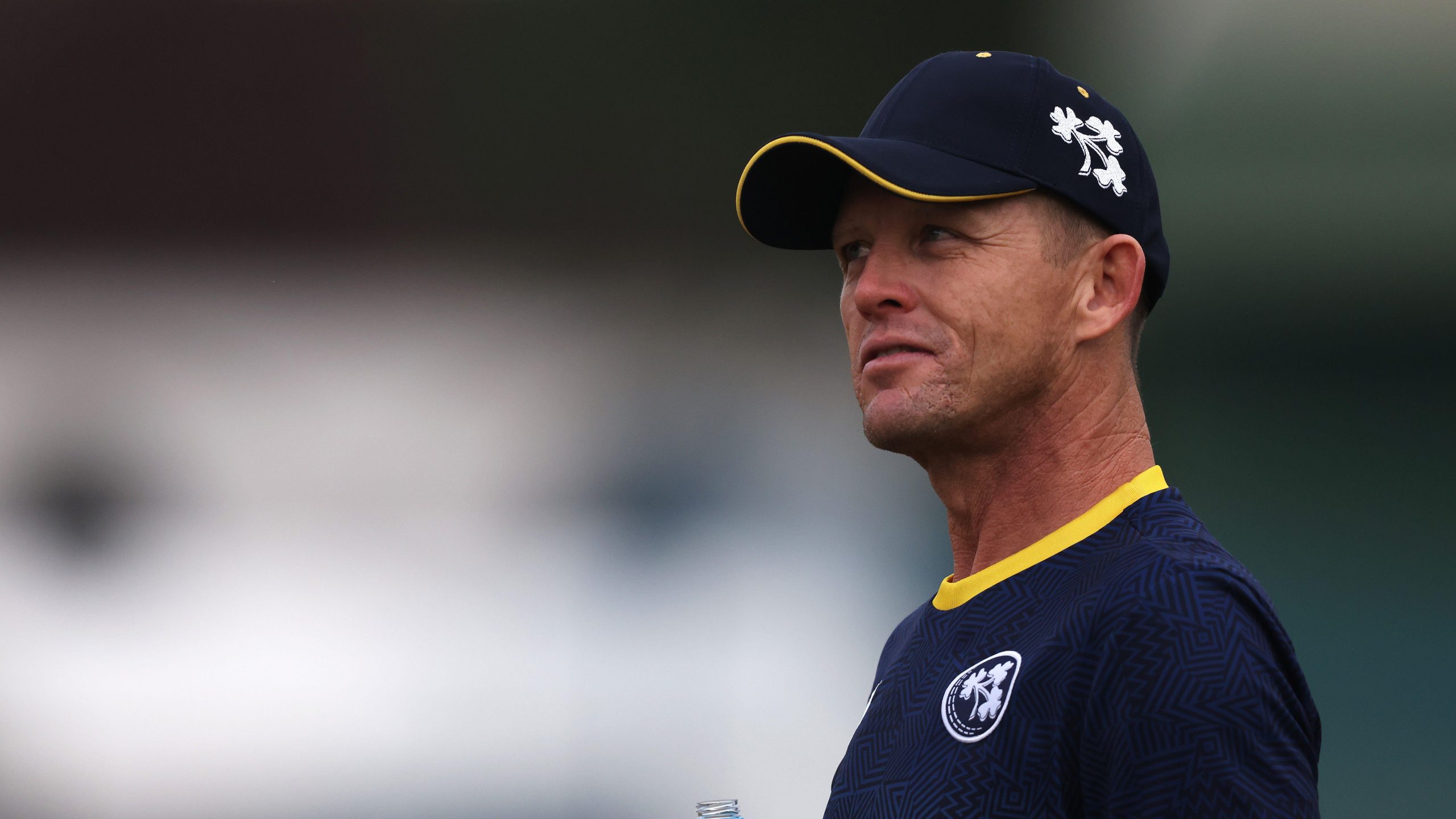
POLICY WIRE — Dublin, Ireland — A peculiar stillness has fallen over Irish cricket. Just hours after their squad delivered an astonishing, against-the-odds series victory over global giants India — a triumph many would call a career-defining peak — Head Coach Heinrich Malan found himself packing his bags. Not for a victory tour, mind you. No, his exit, we’re told, was all part of a “planned transition.” Planned. As if strategic retreats are always best executed at the precise moment of unmitigated glory. It beggars belief, doesn’t it?
It’s like celebrating a mountaineer’s Everest summit only to find out their contract expired halfway up, and a new Sherpa’s already booked for the descent. Such is the modern, brutally unsentimental business of sport. Emotions are for the fans, but spreadsheets—ah, those are for the suits.
Malan, a South African who certainly brought a needed dose of structure and winning intent to the Emerald Isle’s cricketing ambitions, oversaw a team punching significantly above its weight. They’ve long been considered something of a scrappy underdog, battling historical heavyweights with little more than pluck and grit. And that T20 series win against a formidable Indian side? It wasn’t just a morale boost; it was a blaring siren announcing their presence. But, it seems, boardroom strategies operate on a different tempo than the roar of the crowd.
Warren Deutrom, Cricket Ireland’s Chief Executive, who surely had more than a passing acquaintance with this particular succession plan, remained composed, as one would expect. “Look, it’s never about one game, or even one series,” Deutrom recently told Policy Wire, his voice measured, devoid of celebratory excess. “Our strategy extends years, laying foundations that necessitate difficult, long-term decisions for sustainable growth. Heinrich played his part admirably, delivering some genuinely memorable moments, and for that, we’re grateful.” His emphasis was on process, not the euphoria of an upset win.
Malan himself, for his part, projected an air of professional detachment when queried. “The timing certainly feels… particular, doesn’t it?” he mused in a brief, rather clipped statement. “But we had an understanding. My commitment was to leave the squad in a better place, a competitive place, — and we’ve absolutely done that. We delivered what was expected, — and then some. Now, new challenges await. I wish them well. They’re a good bunch.” A polite deflection, perhaps, or the resigned pragmatism of someone who understands the churn.
The suddenness — or rather, the strategic adherence to a schedule despite unforeseen triumph — does shine a spotlight on the unique struggles and aspirations of second-tier cricketing nations. Unlike the behemoths like India, Australia, or even Pakistan, whose vast domestic structures and fanbases generate colossal revenues, smaller boards operate on tighter margins, often relying heavily on careful planning and ICC funding.
Their ambition isn’t just about winning. It’s about global relevance, attracting sponsorships, and proving that the sport isn’t exclusively a Commonwealth old boy’s club anymore. In fact, according to a recent report by the ICC, associate members have seen a 25% growth in participation rates over the last five years, largely driven by emerging markets and targeted development programs. So, Malan’s victory was more than just a notch in the win column; it was marketing gold, albeit fleeting for him.
The squad’s next serious test looms large: a five-game One Day International series against Afghanistan in August. Afghanistan, of course, has its own complex story, a nation whose cricket talent has defied profound geopolitical instability to carve out a respectable global standing. They represent a fierce challenge, another non-traditional power making noise, and Ireland will face them with a new tactician at the helm.
What This Means
This isn’t just a coaching change; it’s a blunt reminder that even in sport, sentiment takes a backseat to strategy and the bottom line. For Ireland, it’s a calculated risk. Will a new voice build on Malan’s momentum, or will it disrupt a hard-won synergy? The economics of smaller national sporting bodies often mandate these cold decisions, balancing short-term gains against the long, arduous grind of sustained elite performance. Losing a successful coach during a moment of glory, even if planned, risks deflating player confidence and fan engagement, not to mention throwing a spanner into continuity. It also sends a message: Individual successes are secondary to the institutional roadmap. It’s an interesting approach in a game where individual brilliance and team chemistry so often defy plans and projections. A true corporate conundrum wrapped in whites. But hey, it’s what they decided, isn’t it?