


Ear-splitting Realities: Unregulated Body Art’s Quiet Toll on Public Health and Policy
POLICY WIRE — London, UK — Forget the sterile clinic’s cold steel and reassuring expertise. That’s a luxury, it seems, increasingly out of reach, or simply ignored, as swathes of the...

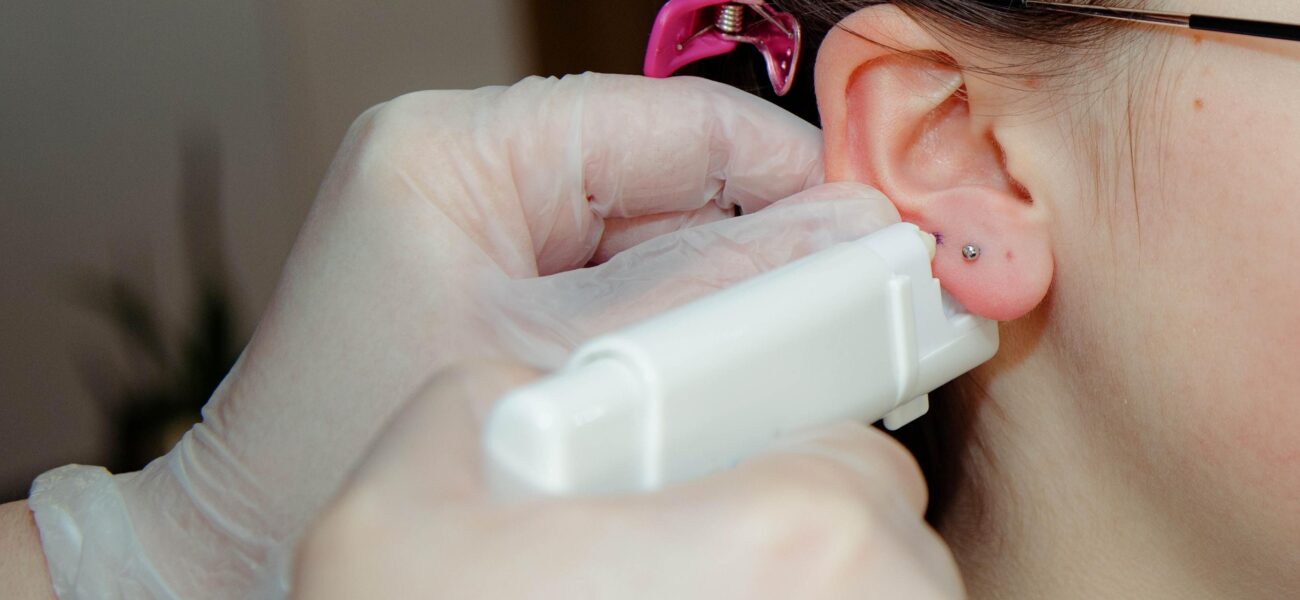
POLICY WIRE — London, UK — Forget the sterile clinic’s cold steel and reassuring expertise. That’s a luxury, it seems, increasingly out of reach, or simply ignored, as swathes of the population opt for DIY body art, transforming skin and cartilage into something less than pristine. This isn’t just about fashion; it’s a quiet public health crisis simmering beneath the surface, exposing stark regulatory failings and the perilous trade-offs people make when informal markets flourish.
Just recently, an expert revealed the truly grim realities. The doctor described seeing patients with horrifying outcomes, recalling one incident where [QUOTE_PLACEHOLDER]. Think about that for a second. An ear, essentially destroyed. It’s a vivid, brutal snapshot of a much larger, often unreported trend. This isn’t just a British problem, either. You’ll find this phenomenon, with its gnarly consequences, cropping up everywhere from suburban America to the bustling markets of Lahore.
Why this surge? It’s a cocktail of factors, really. Online trends fuel a demand for instant gratification, making elaborate piercings feel more accessible, less intimidating. And let’s not discount the economic squeeze; professional piercing isn’t cheap. So, folks turn to cheaper, often untraceable, options: friends with dubious hygiene, kits bought online that arrive with zero instructions—just some dubious-looking metal—or individuals operating in grey areas, often without a lick of formal training or health protocol. They don’t sanitize. They don’t use appropriate equipment. And when things go wrong, — and boy do they, it’s the already strained healthcare system that bears the brunt.
We’re talking nasty stuff here. We’ve got infections, for a start—bacterial, fungal, sometimes even viral, making their way into open wounds. Then there are the allergic reactions. But it gets worse. Think about irreversible physical disfigurement. There’s keloid scarring, sure, those raised, angry red patches. And then there’s the more profound tissue damage, particularly with cartilage. It just doesn’t heal like softer tissue. Once it’s gone, it’s often gone forever, leaving people literally lopsided.
And these deformities? They’re not just cosmetic. They’re profoundly psychological, too. Imagine waking up to find a part of your body—chosen for self-expression, for identity—now looks nothing like you envisioned. Or, worse, it’s permanently damaged. It can lead to severe self-consciousness, social anxiety, and, for many, the immense, painful cost of reconstructive surgery—if that’s even an option. But for most, especially in regions with limited access to advanced medical care, such interventions are simply a dream.
But how did we get here? For years, regulation of body modification industries, when it existed at all, often felt like an afterthought. Laws exist for tattoos, generally, given the blood-borne disease risks, but piercings often fall into a peculiar grey zone, particularly for minors. And you know, getting pierced, it’s often easier for an untrained individual to set up shop, or simply offer services on the sly, than it’s to, say, open a proper restaurant.
Consider the situation in many parts of South Asia. Informal economies thrive. Walk through a bustling bazaar in Karachi or Dhaka, — and you’ll find artisans for every trade imaginable. Many perform ear or nose piercings with tools that look generations old, often reusing needles or sterilizing equipment with methods that wouldn’t pass muster in a modern kitchen, let alone a medical environment. It’s a deep cultural practice there, often done at home or by local specialists with hereditary skills, but the lack of formal health education and oversight means even well-intentioned traditional practitioners can inadvertently spread disease or cause permanent harm. It’s not necessarily malice; it’s a systemic void, really.
📄 POLICY WIRE WHITEPAPER PUBLISHED: PAKISTAN'S NATIONAL SECURITY POLICY PRIORITIES
👉 READ BY CLICKING HEREThe Centers for Disease Control and Prevention (CDC) reports that approximately 17% of all body piercings result in minor localized infections, while 2-4% develop more serious complications requiring medical intervention. That’s a significant slice of the pie, reflecting tens of thousands of avoidable issues each year globally. Because this isn’t just about an individual making a questionable choice; it’s a systems failure.
What This Means
This escalating trend of botched, home-based body piercings points to a significant policy lacuna—a void policymakers have, frankly, failed to address effectively. It’s not just about passing laws; it’s about enforcement, public education, and addressing the underlying economic incentives that push people towards these risky, unregulated avenues. For governments in developing nations, already wrestling with overloaded healthcare systems and limited resources, this becomes another unexpected, yet utterly avoidable, burden.
Economically, it signals a deeper malaise: when consumer choices for something as seemingly minor as a piercing are dictated by affordability over safety, it’s a clear symptom of financial stress or, at minimum, insufficient awareness. You see it everywhere, a demand for cheap goods and services—which also includes health, even when it’s masquerading as art. For places like Pakistan, where public health initiatives often struggle against overwhelming challenges, integrating comprehensive body modification safety into broader public health campaigns is a monumental task. But it’s essential. We can’t keep sweeping these literal bodily disfigurations under the rug simply because they stem from personal choices. Because those choices are influenced, heck, even pressured, by systemic shortcomings.
Regulators need to get smarter, — and faster, on this. It isn’t just about cracking down on unlicensed practitioners, which is important, don’t get me wrong. It’s about proactive public information campaigns, making professional, safe options more accessible, and understanding the social dynamics driving this phenomenon. The cost of prevention is pennies compared to the expense of dealing with life-altering deformities. This particular issue, for instance, serves as a canary in the coal mine, warning us about the broader issues associated with the unregulated shadow economies that flourish when formal systems fail. We’re really just scratching the surface here.