
Dust and Duty: Albuquerque’s Quiet Echoes of Global Conflict on Memorial Day
POLICY WIRE — Albuquerque, New Mexico — The crisp New Mexico morning air carried the faint scent of damp earth and something vaguely metallic—maybe from the old bronze statues, maybe just the hint of...

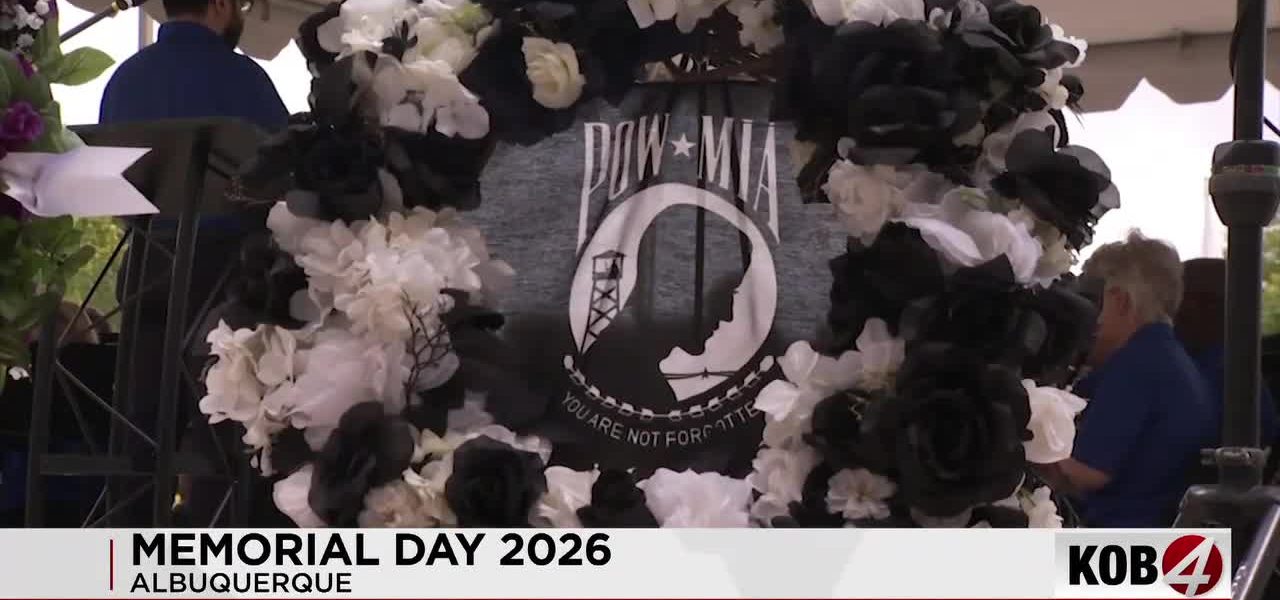
POLICY WIRE — Albuquerque, New Mexico — The crisp New Mexico morning air carried the faint scent of damp earth and something vaguely metallic—maybe from the old bronze statues, maybe just the hint of a memory in the wind. Not the boom of distant fireworks or the clatter of holiday sales, but the skirl of bagpipes cutting through a hush, solemn and unsettlingly poignant. This wasn’t just another long weekend kickoff, not for the scattered few gathered at the New Mexico Veterans Memorial, certainly not for those whose calendars had permanently marked the day with a red, aching emptiness.
It’s Memorial Day, sure. We know the drill. Speeches, salutes, a flyover if the budget allows. But beyond the public display, there’s an undercurrent—a weary acknowledgment of a generation that has borne the brunt of wars fought far from home. In Albuquerque, they turned out—not quite a throng, but a respectful assembly—to mark the memorial’s 30th year, and, implicitly, to reflect on losses that haven’t quite faded into the annals of history yet. This isn’t ancient Rome, after all. The conflicts that claimed these men — and women? They’re recent; some, sadly, still ongoing.
Colonel Justin Secrest, Kirtland Air Force Base’s wing — and installation commander, didn’t pull any punches. “Look, for most folks, it’s a long weekend, right? A grill-out. Maybe a pool opening,” he drawled, his voice thick with experience. “But for the families who’ve paid the real price, for Gold Star families, every single day is Memorial Day. There’s no off switch on that kind of grief, believe me.” He’s seen it, that quiet endurance, that particular weight. And it’s a hell of a burden.
But how do we, the general public, really absorb that? Because despite the flags and the tributes, the reality of protracted conflict has somehow become background noise for too many. We’ve spent a generation sending young men — and women into battlefields halfway across the world. Think of the numbers: A 2023 report from Brown University’s Costs of War Project tallied over 7,000 U.S. service members killed in post-9/11 wars—a cold, hard figure that scarcely begins to explain the collateral damage, the emotional wreckage, or the geopolitical churn these conflicts unleashed. And so many of those conflicts touched down hard in places like Afghanistan, in Iraq, across the broader Muslim world, creating echoes of loss that ripple from New Mexico to Kandahar.
U.S. Senator Ben Ray Lujan, representing the very state these heroes hailed from, made sure to reiterate the point. “We’ve gotta keep their stories alive. Because whether it’s your neighbor from down the street or a name etched on a wall, their sacrifice built the ground we stand on,” Lujan insisted, a slight tremor in his voice. “Forgetting ’em? That’s not an option, not really, if we’re going to be honest with ourselves about what they actually gave up.” It’s a good line, a necessary one. But saying it — and living it are, as we all know, two very different things.
These ceremonies, like the one here in Albuquerque, are vital, of course. They’re a public promise, an attempt to say, “We remember.” But they’re also a mirror. They reflect not just the sacrifice, but perhaps our own ambivalence, our own growing fatigue with distant wars that become abstractions—until the flag-draped coffin comes home, until the phone rings, until a small, local ceremony forces the raw truth back into the spotlight. That’s when the quiet desperation of loss, so familiar to families from Punjab to Peshawar, suddenly feels very close to home.
We’ve been fighting—or, rather, our soldiers have been fighting—in various corners of the globe for so long now, the initial rationale often seems obscured by the sheer weight of time and casualty. The Memorial Day tradition, initially a response to the unimaginable carnage of the Civil War, keeps morphing. It has to. Because the world keeps turning, and new conflicts, new human costs, keep piling up, sometimes with lasting impacts we’re only just beginning to truly grasp. (It’s never just about the bullets, is it? It’s about the broken landscapes, the displaced families, the long shadow over generations, a grim ecology of conflict, if you will, that spreads far beyond the initial blast radius. Read more on Gaza’s Grim Ecology.)
What This Means
This annual pause in the national routine, whether observed in a sprawling desert city like Albuquerque or a quiet Midwestern town, serves a dual purpose. Politically, it’s a moment for elected officials to reiterate solemn pledges, reminding constituents of their public service and empathy for military families. It’s safe ground, generally speaking—a universal appeal to patriotism and respect. Economically, while not directly tied to GDP, the ongoing societal cost of these sacrifices, including veterans’ care and long-term support for Gold Star families, remains a significant line item in national budgets, representing a decades-long commitment far outstripping the immediate costs of wartime procurement. But more profoundly, it reveals the evolving psyche of a nation weary of perpetual conflict. There’s a subtle but palpable tension between the national reverence for military service and a growing public disinterest in the actual wars being waged. It creates a space where a quiet dignity prevails at these ceremonies, almost in defiance of the world’s indifference, a sort of grimly resolute solidarity among those who understand the price of admission to global power. The gap between ceremonial observance and genuine, sustained public engagement with military policy widens with each passing year, leaving Gold Star families to carry a disproportionate burden of remembrance. It isn’t just about saluting the dead; it’s about asking what those lives were spent on, and whether we’ve truly learned the lesson.