


Dry Fuels, Wet Skies: New Mexico’s Climate Contradiction Echoes Global Policy Fault Lines
POLICY WIRE — ALBUQUERQUE, N.M. — It’s an old trick of the light, isn’t it? The same forces that deliver life-sustaining moisture to one parched corner of the globe often conspire to unleash fury...

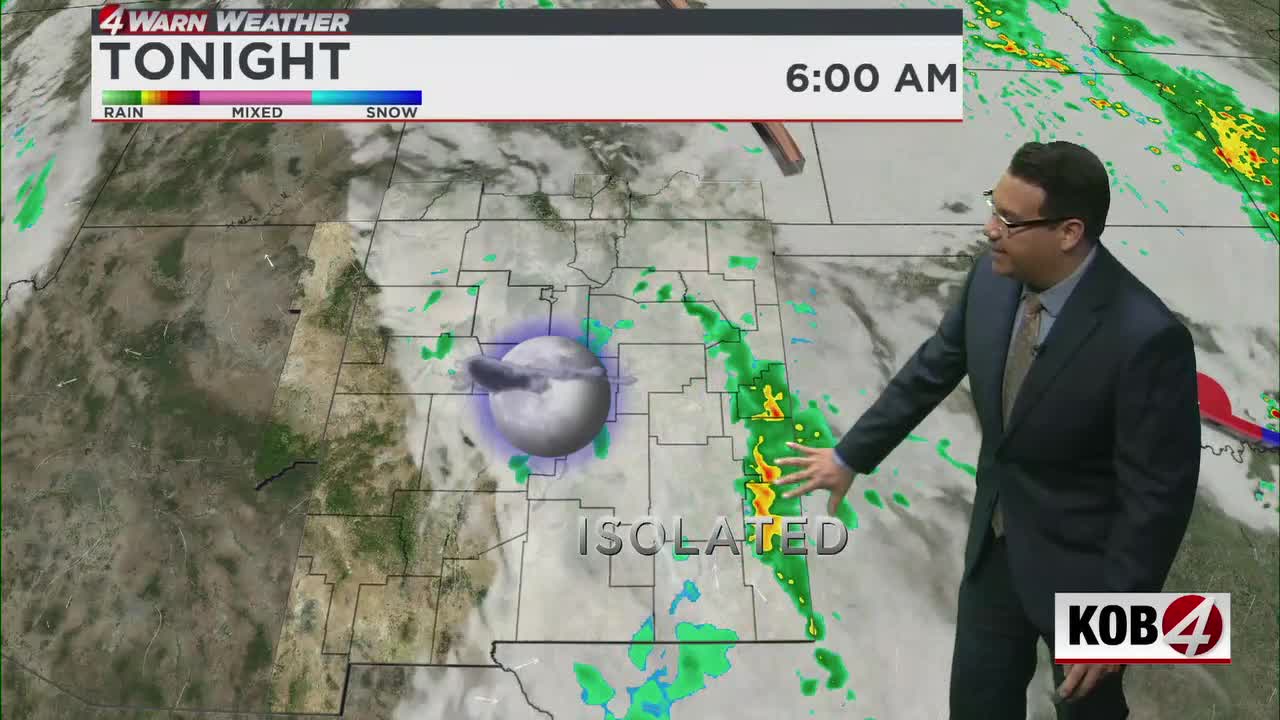
POLICY WIRE — ALBUQUERQUE, N.M. — It’s an old trick of the light, isn’t it? The same forces that deliver life-sustaining moisture to one parched corner of the globe often conspire to unleash fury elsewhere, or, even more cruelly, in the very same backyard. Here in the high deserts of New Mexico, this atmospheric duality plays out with an almost poetic, if troubling, rhythm. While folks in Clovis and Portales brace for a brief deluge, other parts of the state are just a spark away from disaster. The forecast itself—a brief interlude of [QUOTE_PLACEHOLDER] for the eastern plains—feels less like news and more like a cruel whisper of what could be, but isn’t quite enough, for vast stretches of arid land.
This isn’t just about localized thunderstorms, of course. It’s about a planetary shrug, a subtle reordering of expectations. New Mexico’s late May often presents a dicey mix of atmospheric drama. And, for Thursday night, it means [QUOTE_PLACEHOLDER] carrying with them [QUOTE_PLACEHOLDER] Meanwhile, regions like Albuquerque, Socorro, Gallup, Farmington, and Silver City are experiencing [QUOTE_PLACEHOLDER] It’s a land of harsh beauty, this New Mexico. But that beauty increasingly comes with a price tag, one paid in hydrological stress and escalating emergency responses.
We’ve all watched the climate reels—droughts followed by floods, arctic freezes morphing into wildfires. It’s an escalating crisis, — and it isn’t unique to America’s Southwest. In Pakistan, for instance, a nation grappling with its own acute water scarcity issues and vulnerable agricultural sector, erratic weather patterns have become a devastating norm. The monsoon seasons there swing violently from calamitous flooding—displacing millions and decimating infrastructure—to prolonged dry spells that imperil food security for hundreds of thousands. A recent report by the World Bank highlighted that Pakistan sustained economic losses exceeding $30 billion from floods alone in 2022. It’s a sobering statistic, illustrating a direct link between atmospheric capriciousness and genuine economic instability in an already fragile region.
The parallels, while geographically vast, aren’t conceptually dissimilar. Because across western — and central New Mexico, a significant drying trend has taken root. But then Friday arrives, and some parts of New Mexico are looking at [QUOTE_PLACEHOLDER] Great for some; a drop in the bucket for others. This kind of patchy precipitation isn’t always a blessing, it’s a tease. The state’s already dealing with the aftermath of historical aridification, making any incoming moisture either a desperate reprieve or an incidental, localized phenomenon.
Looking specifically at Friday’s outlook, [QUOTE_PLACEHOLDER] But wait, there’s a twist: [QUOTE_PLACEHOLDER] It’s never simple, is it? One minute you’re praying for rain, the next you’re worried about your windshield. And just as one region prepares for strong cells, [QUOTE_PLACEHOLDER] Wind gusts could hit [QUOTE_PLACEHOLDER] in places like Farmington, Gallup, and Grants. This dual forecast—wet chaos in the east, wind-whipped tinder in the west—demands more than just meteorology. It needs policy acumen, and fast.
That western wind, combined with [QUOTE_PLACEHOLDER] well, that’s a cocktail of catastrophe. It’s predicted to [QUOTE_PLACEHOLDER] It’s this sort of localized vulnerability, even when juxtaposed against pockets of wet weather, that has policymakers (and journalists) continually tracking these seemingly disparate atmospheric events. What a bind. You’ve got to ask yourself: how many years until this kind of high-stakes weather variability becomes the permanent baseline, rather than just a notable forecast?
The immediate good news? [QUOTE_PLACEHOLDER] So, a temporary reprieve. But temporary, you know? It never feels quite permanent anymore. This is the New Normal for so many locales, a continuous balancing act between too much and not nearly enough, often within spitting distance of each other. The environmental stakes here, they aren’t just about the weekend BBQ plans, but about infrastructure, economy, and community resilience. That’s a lot for some clouds — and a little wind to carry.
What This Means
This dynamic interplay of micro-climates, from storm surges to burgeoning fire risks, isn’t just meteorological arcana; it’s an economic and political pressure cooker. For New Mexico, these rapid shifts stress state emergency services, strain agricultural capacity, and certainly impact tourism. You don’t think about how often wildfires reroute supply chains or cancel local festivals until they hit home. And the erratic nature means predicting future needs, whether for water infrastructure or fire suppression, becomes less about historical data and more about sophisticated—and expensive—modeling.
Because, domestically, such patterns challenge state — and federal budgeting. Funding allocations for disaster relief, resource management, and climate adaptation become a bureaucratic wrestling match. You’re talking about millions, perhaps billions, required to simply keep up. Federally, this places pressure on agencies like FEMA and the Department of Agriculture, as localized climate events increasingly demand a nationwide response. It’s not a matter of ‘if’ but ‘when’ some of these regional crises merge into a sustained, multi-state emergency. And policymakers? They’re constantly behind the curve, responding rather than truly anticipating. It’s like playing whack-a-mole with a constantly shifting goalpost. This ain’t your grandpa’s weather report, not by a long shot.