

Drowning in Injustice: Pakistan’s Resilience Amid a Climate Crisis Not of Its Making
As glaciers melt and rivers burst their banks all across northern Pakistan, another season of devastation continues. More than 70 have lost their lives and more than 130 have been injured since late...

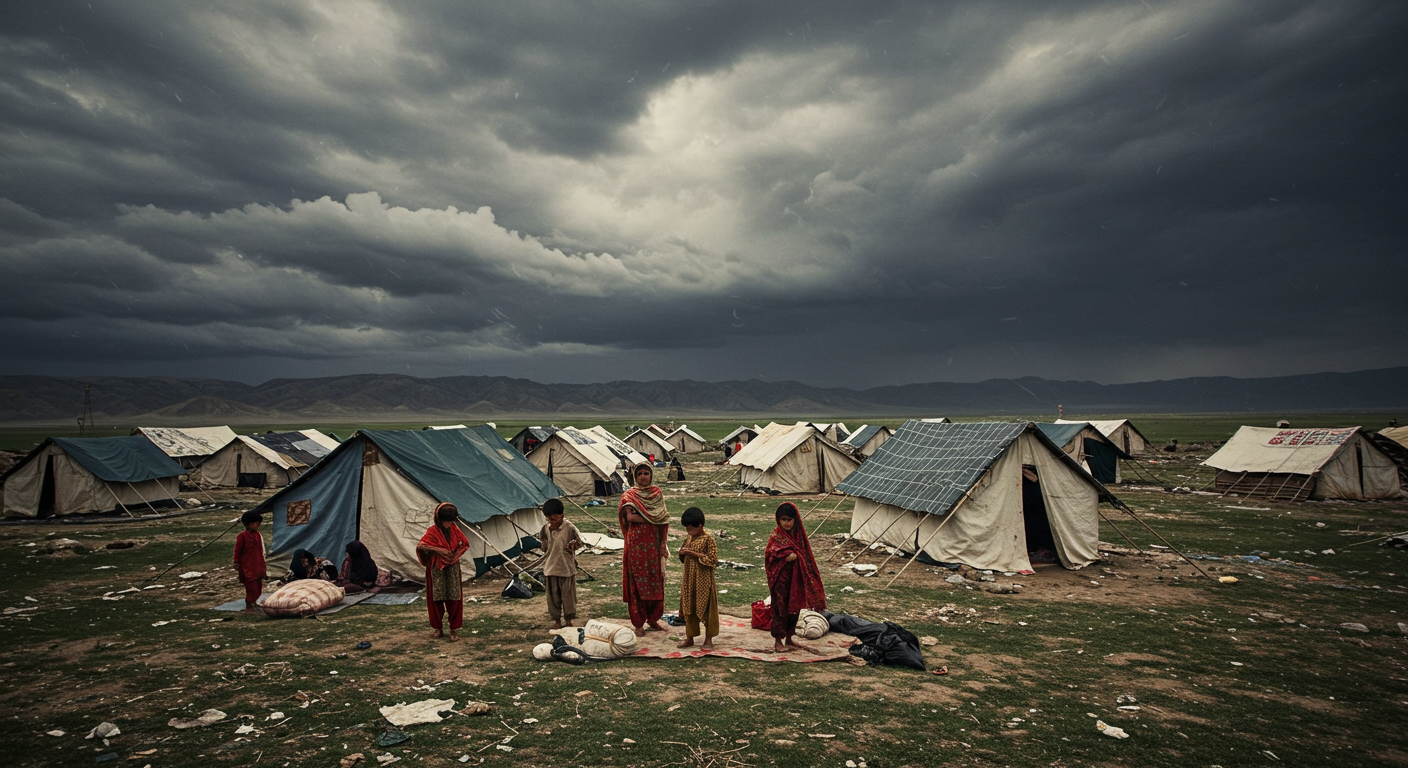
As glaciers melt and rivers burst their banks all across northern Pakistan, another season of devastation continues. More than 70 have lost their lives and more than 130 have been injured since late June due to flash floods, landslides, and rainstorms. Villages in Gilgit-Baltistan have been cut off from the rest of the country, while others have been left without electricity or drinking water. And yet, in the midst of the devastation, one thing stands out as highlighted and it is not helplessness, it is resilience.
The photographs emerging out of the northern mountains are grim: landslides washing over roads, glacial lakes bursting their banks, families washed out of rivers by currents. And yet, nevertheless, rescue workers attempt to reach remote villages and disaster management agencies flood round-the-clock warnings and alerts. The Pakistani people are not and are not perishing, they are coping, surviving, and resisting a disaster that they did not induce.
Pakistan is leading in climate change. It has 240 million inhabitants, hence being among the world’s most exposure-prone countries with less than 1% of contribution to the global greenhouse gas emissions. This is among the greatest moral failures of the modern world order. The accelerating melting of the Himalayan, Hindu Kush, and Karakoram glaciers is no regional climatic anomaly, there is a global climate crisis, and this is the immediate consequence. The increasingly heated planet has made once-habitable glaciers into time bombs, forming unstable glacial lakes that now burst with hair-raising frequency. These are not merely natural disasters; they are the climate bill being paid, by the Global South, on behalf of the unregulated industrial profligacy of the Global North.
The crisis occurring this summer is the 2022 trauma’s echo, where floods inundated a third of the country, killed more than 1,700 people, and displaced over 33 million. That tragedy shocked the world, but exposed also the critical truth: climate change is not a thing occurring in the future or elsewhere. It is happening today. And it is hurting the least guilty nations the most. And still, in the face of these reverses, Pakistan is incredibly resilient. From ordinary volunteers at the grass roots to provincial relief organizations, activities are being undertaken, albeit on shoestring budgets and with little external help, to save lives, mitigate damage, and rebuild infrastructure. In Gilgit-Baltistan, where the hazard is most acute, evacuations are underway, and efforts to mobilize forces from among local populations are underway in spite of a logistical nightmare posed by difficult terrain and dilapidated roads.
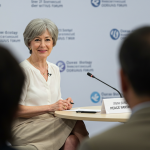
Early climate change minister Sherry Rehman encapsulated the nation’s frustration and reality: “We are at the epicentre of a global climate polycrisis.” Her words are the bitter truth, Pakistan is being forced to survive in others’ hands a world rendered uninhabitable. The question is no longer whether climate reparations are due; the question is how long the world is going to pretend that they are overdue.
Pakistan does not need pity. It needs justice. It needs climate financing that is not locked up in bureaucratic red tape from the rest of the world. It needs debt relief processes that consider climate vulnerability. And it needs genuine representation at global climate forums where decisions are too often made without the voice of people who carry the burden.
This year’s floods are a bitter reminder that climate change is no future danger, but an active disaster. Yet, they are also a testament to the unspoken courage and resilience of a country that will not succumb. Pakistan is not a victim, both a resilient survivor in the face of an unjust climate system.
The world must stop viewing Pakistan as an afterthought in climate negotiations. Because if anything this season has proven, it is that Pakistan is not just on the frontlines, it is standing the line.
Author