


Donetsk War: Russia’s Hollow ‘Victory’ in Kostyantynivka
POLICY WIRE examines Russia's claimed capture of Kostyantynivka. Is this a strategic win or a propaganda move? Unpack the war's human cost & global stakes.

POLICY WIRE — London, UK — The Donbas winter doesn’t just bite with its bitter cold; it chills with the incessant drone of propaganda—a familiar symphony that plays out across every contemporary battlefield. It’s Tuesday, and Vladimir Putin is again proclaiming victory in a city few outside military circles could precisely locate on a map: Kostyantynivka, in Ukraine’s Donetsk region. A strategic jewel, they say. Or maybe, just another bloodied brick in a wall built from attrition.
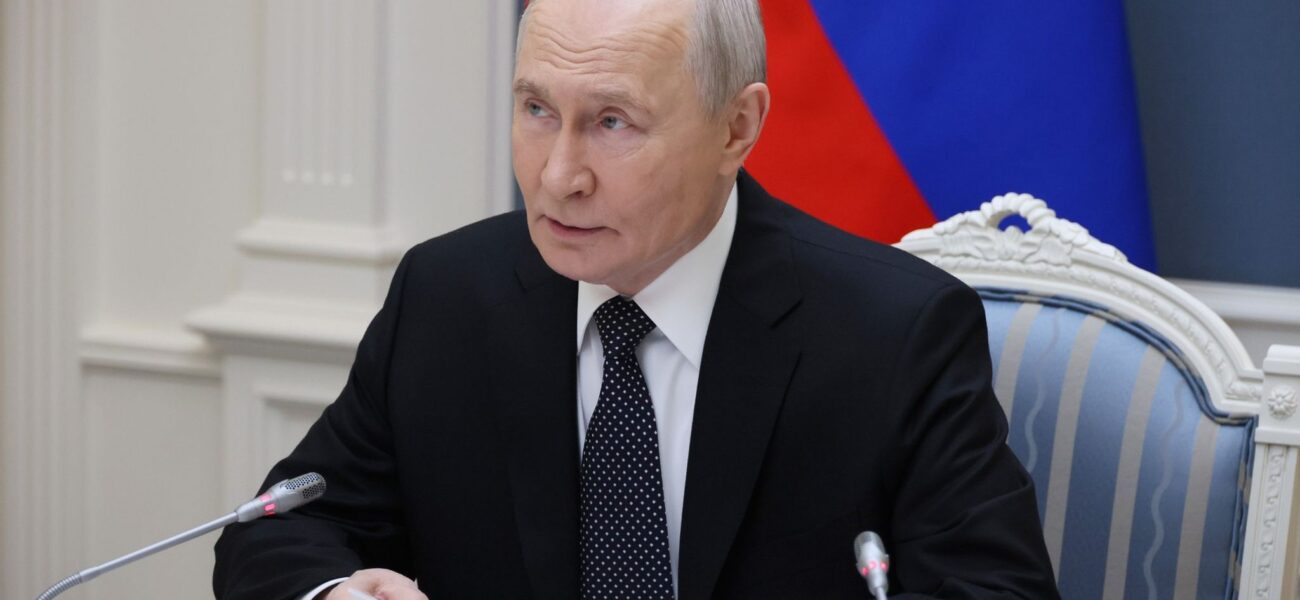
It’s a grim sort of theatre, isn’t it? Moscow’s leader hails claimed capture of strategic Donetsk city Kostyantynivka, adding it to a lengthening list of contested urban centers that have been reduced to rubble in this prolonged conflict. The Kremlin’s declarations usually land with a calculated thud—often ahead of full operational control, yet precisely timed to bolster domestic morale or punctuate international headlines with an illusion of progress. But the stark reality for residents, for soldiers—it’s something else entirely. [QUOTE_PLACEHOLDER]
And what exactly does “claimed capture” even mean anymore in this protracted, trench warfare environment? Kostyantynivka isn’t just a dot on a map; it’s been a significant rail hub, an industrial pocket clinging to the last shreds of its former life. Its supposed fall—a development not immediately corroborated by independent sources at the time of writing—signals yet another costly push westward in a region that Russia has long coveted. We’ve seen this movie before, multiple times. They take a place; the world argues over its actual strategic worth. Meanwhile, human lives continue to burn like kindling.
But the true value of these declarations isn’t always tactical; it’s often narrative. The struggle for Donbas—the region where the majority of fighting now grinds on—is fundamentally about geopolitics dressed in infantry boots. Russia isn’t merely aiming for land here. It’s about reshaping the post-Cold War order, carving out spheres of influence, — and asserting dominance. It’s an imperial reflex that reverberates far beyond Europe’s eastern flank. One could argue, quite reasonably, that it shapes discourse in places like South Asia, too.
Because these assertions of control—whether over Kostyantynivka or through proxy engagements elsewhere—don’t exist in a vacuum. In regions like Pakistan — and India, observers scrutinize every military pronouncement, every diplomatic maneuver. The precedent set by a large power carving off pieces of its neighbor, then broadcasting it as a victory, is never lost on states dealing with their own simmering territorial disputes or regional hegemonies. It’s an example of how brute force, however masked, remains a currency in international relations.
It’s fascinating, almost tragic, how the language of triumph often obscures the unspeakable price paid on the ground. When one considers historical parallels of contested waterways and borders, like the intricate balance of the Indus Water Treaty between India and Pakistan, the echoes are unavoidable. These aren’t merely military campaigns; they’re existential battles over national identity and geopolitical clout. And the announcements of gains, however marginal in the grand scheme, serve primarily to feed a carefully constructed narrative back home. Or abroad, where they’re intended to dissuade further intervention.
📄 POLICY WIRE WHITEPAPER PUBLISHED: PAKISTAN'S NATIONAL SECURITY POLICY PRIORITIES
👉 READ BY CLICKING HEREKostyantynivka’s capture, if fully realized and confirmed, would push Russian forces deeper into a contested zone, allowing for potential advances towards other remaining Ukrainian strongholds in Donetsk. Analysts note it has been a logistics hub for Ukrainian forces operating on the front lines for some time. The British Ministry of Defence stated earlier this year that as of January 2024, approximately 16% of Ukrainian territory remained under Russian occupation—a stark figure underlining the conflict’s brutal stalemate, despite intermittent “victories.” And this figure hasn’t moved dramatically, despite all the flag-waving.
But let’s be frank: the world often perceives such pronouncements through the prism of its own vested interests. A win for Moscow is, depending on your geopolitical alignment, either a sign of inevitable progress or a dangerous escalation. What’s often overlooked are the millions of displaced people, the fractured families, the sheer cost in human endeavor and blood. That’s where the dry statistics — and the strategic maps fall miserably short.
What This Means
The “fall” of Kostyantynivka—or the mere *claim* of its fall—represents more of a psychological and logistical win for Russia than an immediate game-changer in the broader conflict. Politically, it lets the Kremlin project an image of unyielding resolve and strategic momentum, particularly important as the world’s attention frequently shifts to other crises. It reinforces the idea, internally and to some international partners, that their strategy is working, albeit slowly, painfully. Economically, while Kostyantynivka itself may not hold staggering wealth, its function as a logistics node potentially eases pressure on Russian supply lines further east, perhaps even enabling more coordinated strikes on Ukrainian defense assets.
This endless series of territorial gains, big or small, plays directly into the grander narrative Moscow cultivates—one of regaining historically significant territories and reasserting its traditional regional influence. It’s a message keenly observed in countries facing their own complex ethnic or territorial issues, including in the Muslim world where narratives of external interference or national sovereignty are always hyper-sensitive. The world’s quiet, sometimes reluctant, acceptance of these incremental shifts fuels a worrying precedent, signaling that brute force, if persistent enough, can ultimately achieve political ends, even if it leaves an indescribable ruin in its wake. It’s not just a battle over Donbas; it’s a grim lesson in modern realpolitik being delivered in excruciating slow motion.