


Digital Frontiers: Texas Court Move Signals New Era for App Age Gates
POLICY WIRE — Austin, Texas — For a moment, the world of algorithms and boundless digital access seemed to hit a speed bump, courtesy of a seemingly unremarkable piece of paper from the...

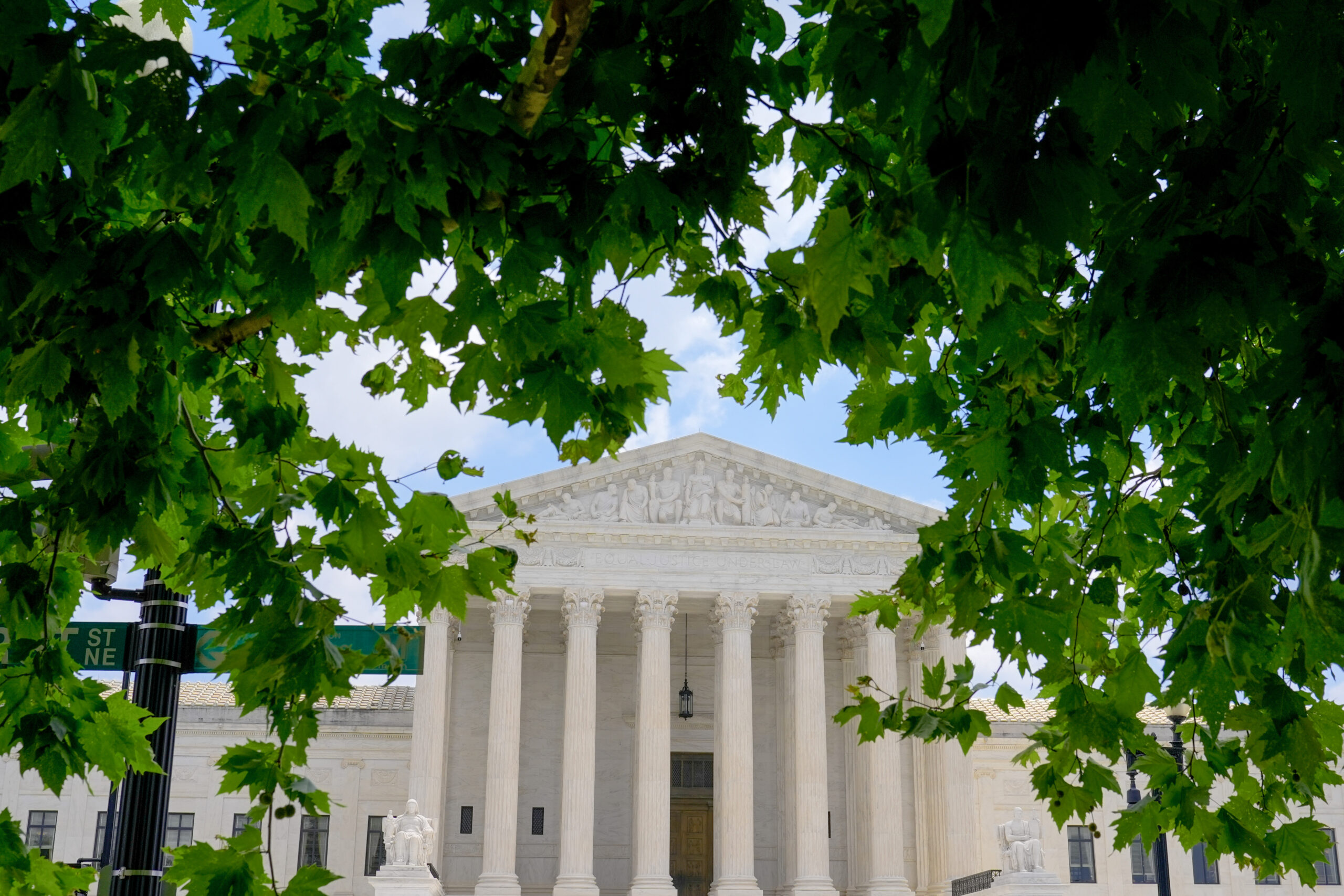
POLICY WIRE — Austin, Texas — For a moment, the world of algorithms and boundless digital access seemed to hit a speed bump, courtesy of a seemingly unremarkable piece of paper from the nation’s highest court. It wasn’t a sweeping declaration, but rather a quiet, un-ceremonial refusal that spoke volumes, indicating that the digital wild west might just be getting a new set of barbed wire. The Supreme Court effectively said: ‘Texas, you can enforce your state-mandated digital bouncer.’ It’s not a block, it’s a green light.
No grandstanding, no thundering pronouncements, just the kind of judicial shrug that sends tremors through tech boardrooms. Texas wants to check IDs for app downloads, particularly for content it deems too racy for younger eyes, and for now, it’s getting its way. You see, the move didn’t outlaw apps or ban them outright. It simply made clear that, at least for now, the Supreme Court won’t block Texas from enforcing a law requiring age verification for app downloads. It wasn’t an affirmation of the law’s constitutionality, mind you. It was a refusal to intercede before the messy bits—the lawsuits, the appeals, the inevitable bureaucratic snarls—get sorted out down the line. But that interim period? That’s where the rubber meets the road, for users, for app developers, and for state legislators eyeing similar legislative ambitions. [QUOTE_PLACEHOLDER]
It’s a curious intersection, isn’t it? A 21st-century problem colliding with a 19th-century legal apparatus. Tech giants, long accustomed to operating as sovereign states of data, now face the inconvenient truth that physical state lines still carry weight. They’ve built their empires on seamless access and the illusion of borderless engagement, but now, a state capital, Austin, of all places, is attempting to install a turnstile. And that turnstile wants to see your digital passport, or at least a verifiable birthdate, before you can get your hands on the next addictive mobile game or social media feed. It feels a bit like trying to fit a square peg into a cyber-round hole—or maybe the digital peg finally getting shaped by analog realities.
This whole situation lays bare a familiar dilemma, doesn’t it? The endless push and pull between individual liberty (to download whatever, whenever) and state protection (of its most impressionable citizens). It isn’t just an American preoccupation. Governments the world over grapple with how to manage the digital deluge, particularly its impact on youth. In Pakistan, for instance, where digital penetration is rapidly increasing, similar concerns often emerge regarding online content and its suitability for young audiences. Regulators there—like those in many Muslim-majority nations—face persistent pressure to control the digital landscape, balancing open internet access with cultural and moral sensitivities. And frankly, this Texas maneuver? It provides a useful, if perhaps uncomfortable, blueprint or at least a point of observation for others attempting similar feats of digital governance. What happens in Austin, it seems, won’t always stay in Austin.
Because the implications aren’t just about kids on iPads. They ripple outwards. Imagine, if you will, the sheer logistical nightmare for smaller app developers. They’ve got to integrate age-verification systems, navigate potential data privacy issues that come with collecting sensitive user information, and—of course—bear the financial burden of all that new overhead. It’s an uninvited, unwieldy guest in the lean, agile world of app development. The bigger players, like Meta or Google, they’ll grumble, but they’ve got the war chests and the armies of lawyers to figure it out. But for the indie developer, the creative trying to make a splash? This could very well be a brick wall.
It’s worth noting too, the scale of digital youth engagement: a 2022 Pew Research Center study revealed that a stunning 95% of U.S. teens aged 13 to 17 actively use social media. That’s nearly universal engagement, a staggering figure that underscores the sheer volume of young people navigating these digital waters, often unsupervised. That’s why policymakers, however clumsily, feel compelled to intervene. It’s a vast, uncontrolled ocean of content, and parents — bless their analog hearts — often feel woefully unequipped to chart its treacherous currents.
And then there’s the underlying question of efficacy. Do these laws actually work? Or do they simply nudge technologically adept teens to find workarounds, perhaps pushing them towards less regulated corners of the internet? It’s a game of whack-a-mole that governments across the globe, from Texas to Tehran, have been playing for years. Just look at Beijing’s ambitious technological controls—even a state with such vast power finds complete digital lockdown an elusive prize. It’s tough, you know? Keeping up with the kids, digitally speaking.
What This Means
This development isn’t just a win for Texas or a headache for app developers; it’s a symbolic marker in the ongoing global tug-of-war between governmental control and digital freedom. Economically, expect tech companies—especially those with significant juvenile user bases—to budget for increased compliance costs and potential legal challenges in other states that might now feel emboldened. Smaller entities might struggle, leading to market consolidation or reduced innovation in age-sensitive app categories. Politically, this sets a precedent, even if temporary, allowing states more leeway in regulating online spaces, something that other nations, particularly those with more authoritarian leanings or deeply conservative societal values, will observe closely. It legitimizes, to some degree, the impulse to impose a visible, state-sanctioned hand on what many have considered an inherently free, unregulated domain. We could see a Balkanization of the digital landscape, where content accessible in one state—or one country—is off-limits in another, depending on its local regulatory whims. It won’t be frictionless, not by a long shot. The internet, designed for open exchange, just got a new layer of provincial border guards.
It seems the era of the ‘move fast and break things’ mantra, at least for some, is slowly being replaced by ‘move carefully and verify everything.’ This decision by the Supreme Court wasn’t the final word, not by a long shot. But it’s a significant inflection point, underscoring that digital real estate, like physical land, is subject to local governance, however clunky and out of sync with global trends that governance might appear.