


Dhaka’s Unquiet Nursery: Six Newborn Deaths Spark Gut-Wrenching Scrutiny
POLICY WIRE — Dhaka, Bangladesh — Silence descended not as a gentle shroud, but as a chilling vacuum last Wednesday, sucking the air from a seemingly routine post-delivery ward. Six tiny lives—some...

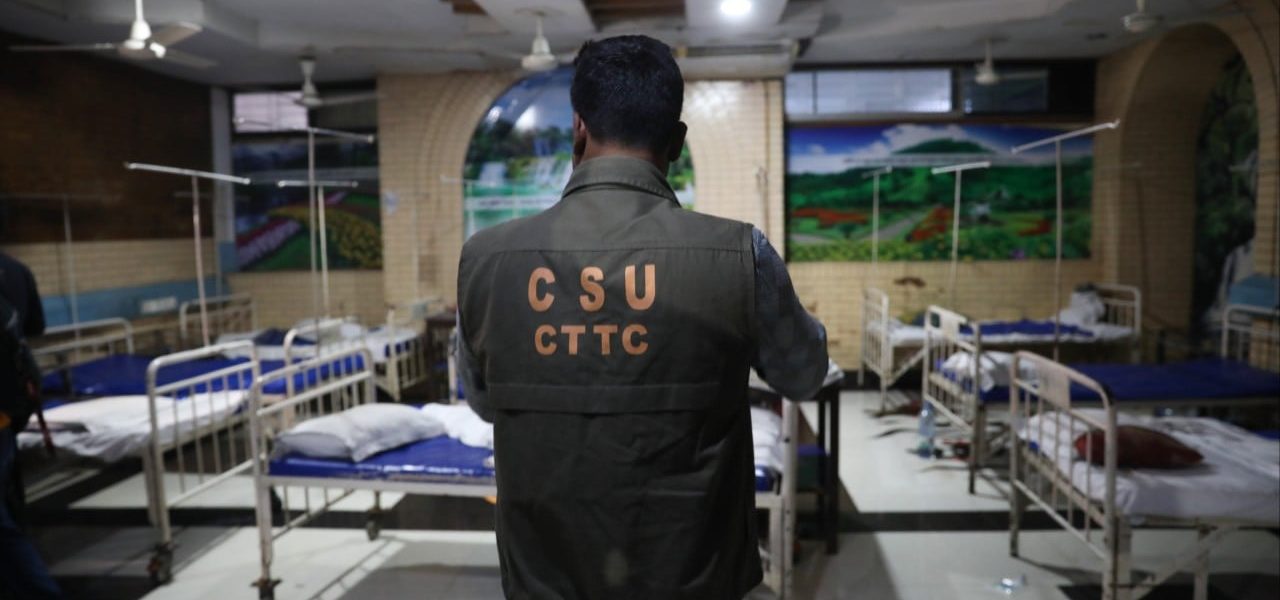
POLICY WIRE — Dhaka, Bangladesh — Silence descended not as a gentle shroud, but as a chilling vacuum last Wednesday, sucking the air from a seemingly routine post-delivery ward. Six tiny lives—some barely a day old, the eldest a mere three—vanished in quick succession within the confines of Ad-Din Hospital. This isn’t just about a tragic incident; it’s about the raw, visceral punch of hope extinguished in what should have been a haven. Six parents went home with empty arms, leaving behind an escalating probe that barely scratches the surface of what’s truly amiss.
It was a scene ripped straight from a nightmare. Babies, aged between one and three days, shared the post-delivery ward of Ad-Din Hospital, a private facility nestled in the bustling capital of Dhaka. And then, one by one, over the course of mere hours, their nascent breaths gave way to an inexplicable stillness. The health officials moved swiftly, but one has to wonder—after such a devastating toll—whether speed means much when the damage is already done. They’ve launched an investigation, naturally. It’s what one does, isn’t it, when the unspeakable occurs on your watch.
Nahida Yasmin, a director at the hospital, made the requisite statement to reporters. She said: [QUOTE_PLACEHOLDER] There’s a sort of bureaucratic rhythm to it, a carefully worded response that aims to reassure while inadvertently highlighting the gaping hole in information. But time, for those grieving families, isn’t a commodity for bureaucratic maneuvering; it’s a gaping, irreversible void.
Bangladesh’s healthcare system—a complex patchwork of often underfunded public institutions and burgeoning, sometimes unregulated, private facilities—frequently grapples with these kinds of crises. For years, folks here have whispered about the uneven quality, the sharp disparities between the shiny brochures of private care and the sometimes stark reality behind the ward doors. When parents stretch their meagre earnings for what they believe is better care, only to be met with such a catastrophic outcome, it doesn’t just erode trust; it pulverizes it. And it raises gnawing questions about accountability. These facilities operate, they take payment—sometimes exorbitant sums, by local standards—but when things go south, how quickly are answers truly provided, and lessons genuinely learned? It’s not just about one hospital, not even one city; it’s a pattern we see replicated across much of the region, from the teeming urban centers to the forgotten rural outposts.
This tragic episode in Dhaka is more than a localized calamity. It’s a stark, public reminder of the delicate balance governing public health, especially when it comes to the most vulnerable among us. While Bangladesh has made commendable strides in reducing overall infant mortality rates over the past few decades, achieving what many nations haven’t, incidents like this throw a harsh spotlight on persistent pockets of vulnerability and systemic failures. It says something about the pressure cooker environment in these urban private hospitals—they’re often packed, operating on thin margins or, conversely, exploiting desperate needs. Something gave, here. Something broke. The collective gasp felt across the country suggests this tragedy resonates deeply, tapping into latent fears about institutional reliability.
This incident also, in a quieter way, echoes broader debates around health equity in the Muslim world — and South Asia. Nations like Pakistan and Indonesia, too, wrestle with providing accessible, quality maternal and child healthcare, especially as populations boom. The regional challenges—poverty, education disparities, access to clean water and sanitation—don’t stop at artificial borders. This isn’t just about healthcare, but about basic human dignity and the unspoken promise that society makes to protect its newest members. When that promise breaks, it leaves an open wound that refuses to heal. Consider that India, its neighbor, grapples with its own complex population dynamics that put immense strain on healthcare resources, a common thread woven through the subcontinent.
Globally, infant mortality remains a grave concern, but developing nations carry a disproportionate burden. According to UNICEF’s 2023 report, for instance, a staggering 78% of all newborn deaths globally occur in South Asia and sub-Saharan Africa. That’s a hard statistic, a chilling figure that lays bare the systemic inequities at play. We’re talking about lives lost in their absolute infancy, lives that never got a chance to truly begin. But the investigation into these Dhaka deaths isn’t just about statistical trends; it’s about finding precise answers for these six families. Who messed up? What went wrong? Was it infection, medical negligence, or something even more insidious that could unravel the veneer of private sector efficiency?
📄 POLICY WIRE WHITEPAPER PUBLISHED: PAKISTAN'S NATIONAL SECURITY POLICY PRIORITIES
👉 READ BY CLICKING HEREAnd when the official report does eventually emerge, it’s not just Bangladeshis who’ll be watching. Aid agencies, global health organizations, and even investors in the region’s private health sector will scrutinize the findings. Because such a concentrated, sudden loss points to something profoundly, deeply wrong. You don’t get six newborn deaths in a matter of hours in the same ward by sheer, unfortunate coincidence. There’s a systemic vulnerability, an overlooked detail, or a critical lapse that cries out for immediate correction. They’ve gotta figure it out, and quickly, before more trust erodes—before more parents face the unbearable.
What This Means
The fallout from these six tragic deaths will ripple beyond the confines of Ad-Din Hospital. Politically, this puts immense pressure on Bangladesh’s Health Ministry. It’s an election-adjacent period for many developing nations, and such human-centric disasters invariably draw ire and demands for accountability. We’ll likely see calls for increased regulatory oversight of private healthcare facilities, which have often operated with less scrutiny than their public counterparts. But stronger regulations mean more bureaucracy, more hurdles—which can paradoxically drive up costs or disincentivize private investment, creating a Catch-22 for a nation eager to expand healthcare access. And it’s complicated, see? Because private hospitals *do* fill a gap.
Economically, this event might dent public confidence in the burgeoning private health sector, especially among the middle class who can afford its services. That’s bad for business. Hospitals relying on paying patients could see reduced numbers if perceptions of quality — and safety plummet. It might also encourage a renewed—and long-overdue—focus on public health infrastructure, which generally struggles with funding and resources. Long term, this incident could be a grim catalyst for a necessary reevaluation of how Bangladesh ensures healthcare quality, particularly for its youngest, most fragile citizens. The stakes are immense, not just for a hospital’s reputation, but for the fundamental social contract between a state and its people: the protection of life itself. The question remains, will the urgent calls for reform be merely performative, or will they instigate tangible change in a nation still building its foundational institutions?