Detroit’s improbable Gambit: Pitching Prowess vs. Phantom Offense in a Gritty Turnaround
POLICY WIRE — Detroit, USA — For weeks, the city stewed in a familiar malaise. Another season, another gut-punch. The faithful — a resilient, battle-hardened bunch if ever there was one — watched as...

POLICY WIRE — Detroit, USA — For weeks, the city stewed in a familiar malaise. Another season, another gut-punch. The faithful — a resilient, battle-hardened bunch if ever there was one — watched as their beloved Tigers stumbled through the spring, hitting rock bottom with a cringe-inducing 22-38 ledger by the end of May. Hope? That commodity was as scarce as clean air over Karachi in peak summer.
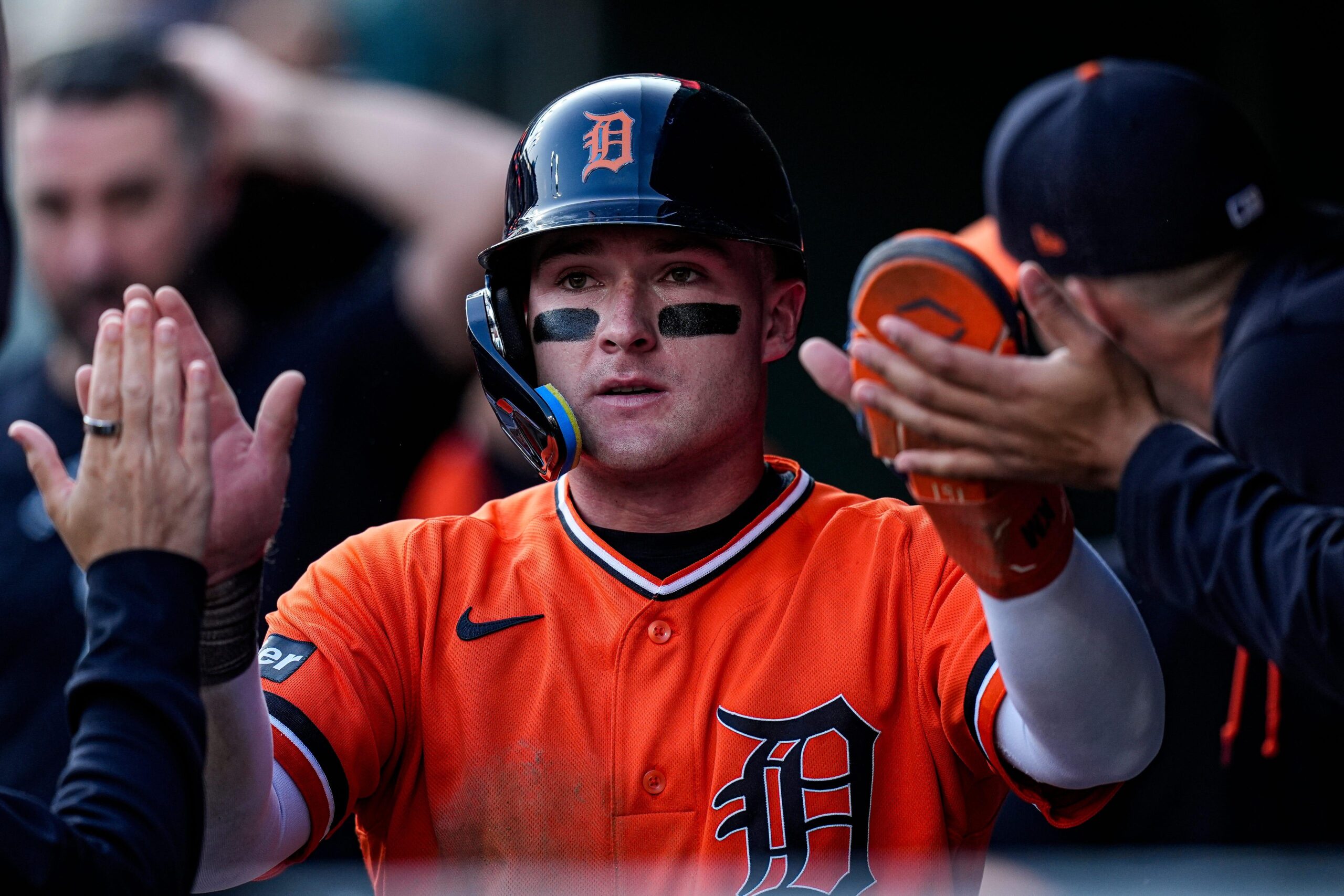
But then, something shifted. Call it alchemy, a collective awakening, or just plain luck, but this battered squad began to breathe. Since June 1, these Tigers don’t just have a good record; they’ve assembled the best run in the entire American League, turning frowns into cautiously optimistic grins across the Motor City. It’s a comeback story so unexpected, you’d think it was scripted by a hopeful civic booster, not borne out of sheer grit on the diamond.
Initially, injuries were the culprits. A parade of pitchers, names like Tarik Skubal, Casey Mize, Troy Melton, and the seemingly ageless Justin Verlander, found themselves marooned on the injured list. Reese Olson was a non-starter for the whole season, and just when you thought it couldn’t get worse, Jack Flaherty and Kenley Jansen hit the wall. But sometimes, chaos begets clarity. Miraculously, the rotation coalesced. They’ve assembled the fourth-best ERA in all of baseball at the All-Star break, a stout 3.48. Because, despite all the early-season musical chairs, a coherent unit emerged.
“Look, we’ve always known what we had in this clubhouse,” offered a stern-faced A.J. Hinch, Detroit’s often-beleaguered manager, in a post-game scrum. “It’s about execution, yes, but also about surviving the initial storm. You can’t predict who steps up, but when they do, you ride it. We’re not done, not by a long shot.”
The numbers don’t lie—mostly. Tigers starters own the lowest home run ratio in the league, just 0.99 dingers surrendered per nine innings, according to industry analysts tracking advanced metrics. That’s elite, full stop. They’re not letting much in, forcing hitters to fight for every inch. And that’s usually a recipe for winning. But winning implies more than just holding the line. It demands scoring runs, too, and that’s where Detroit’s narrative gets tangled, much like political allegiances in a multi-party system.
The bullpen? It’s a whole other animal. Eleventh in ERA overall, yes, but plagued by a penchant for the dramatic collapse. They’ve blown 19 save opportunities, — and nobody’s smiling about it. Only one team has managed to snatch defeat from the jaws of victory more often. That’s a staggering 53 percent conversion rate—or rather, a 53 percent *failure* rate—on chances to seal the deal. You try to tell yourself it’s just baseball, but when late-inning leads evaporate with the regularity of dew on a hot pavement, it leaves a scar.
On offense, things have been, well, challenging. The lineup has struggled to light up the scoreboard, ranking 20th in runs scored for the first half. A team batting average of .236 places them 25th in the majors. Yet, in that same post-June 1 window of resurgence, they lead MLB in homers with 63 — and shot up to 11th in runs. Contradictions? They’re as thick as traffic on I-94 during rush hour. Young talents like Riley Greene, All-Star bound, Dillon Dingler, and rookie sensation Kevin McGonigle offer flashes of brilliance. But the holes in the lineup? They’re more like craters.
“This city thrives on fight, on resilience. When our teams mirror that, it electrifies the atmosphere,” remarked Senator Debbie Stabenow (D-MI), drawing parallels during a recent press conference regarding local manufacturing growth. “The Tigers’ journey this year, the sheer stubbornness of their rebound, it’s not just about wins and losses; it’s about what that does for the spirit here. It’s economic uplift, it’s collective pride—you can’t put a price on that feeling when people believe.”
But what if the engine of belief, the core rotation, stumbles? What if the bullpen implodes in October? That’s the question haunting a city that’s seen its share of near misses — and full-blown catastrophes. The parallels to global markets struggling for consistent output amid geopolitical tremors, or nascent democracies in South Asia grappling with structural imbalances, aren’t lost on observers.
What This Means
This isn’t merely about a baseball team’s stat sheet; it’s a proxy for Detroit’s often-complex narrative. A team defying early-season despair and clawing its way back injects a much-needed shot of optimism into a city still rebuilding its narrative, post-bankruptcy. The fan engagement, fueled by the hope of playoff baseball, translates directly into local economic activity—more ticket sales, more concessions, more merchandise flying off the shelves. Local businesses around Comerica Park, some of which have just started recovering from prolonged downturns, benefit immensely from this kind of collective euphoria.
Politically, a winning team provides a subtle but tangible boost. It allows elected officials to align themselves with a shared civic victory, fostering a sense of community spirit that can sometimes overshadow other pressing issues. But it’s a fragile thing, this hope. A deep run into the postseason could cement the city’s evolving image as a place of revival, a hub for sports, culture, and growing capital investment. However, a collapse—especially a late-season stumble echoing past disappointments—could deepen a cynical outlook, underscoring the perceived fragility of progress. This squad’s fate, in essence, is tied into more than just the standings; it’s tethered to the heartbeat of Detroit itself.