


Desert Catastrophe: Medical Flight’s Demise Ignites Regulatory Scrutiny Amidst Wildfire Blaze
POLICY WIRE — ALBUQUERQUE, N.M. — The high desert didn’t ask for another fight, but it got one anyway. This time, the spark wasn’t some rogue lightning bolt or a careless camper. It was...

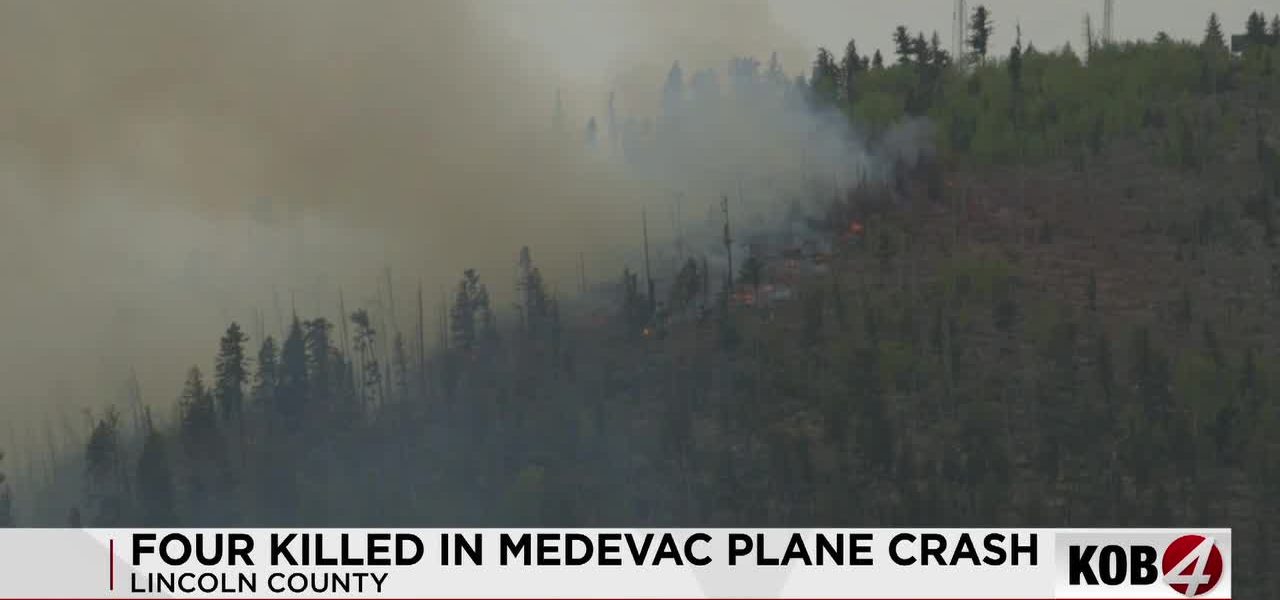
POLICY WIRE — ALBUQUERQUE, N.M. — The high desert didn’t ask for another fight, but it got one anyway. This time, the spark wasn’t some rogue lightning bolt or a careless camper. It was the catastrophic demise of a medical transport plane, a vessel designed to cheat death, not sow it. Four souls vanished into the New Mexico night near the Capitan Mountains, their mission—a life-saving transfer—aborted in a flash of wreckage that promptly ignited a new, sprawling disaster.
It’s a brutal ballet of tragedy, this recent calamity. Not only did the aircraft—a King Air operated by Trans Aero MedEvac—plunge from the sky with four aboard, but its final, desperate act was to unleash a wildfire, scarring the already parched Lincoln County landscape. This wasn’t some slow-burn structural failure, folks. The flight data reads like a grim novella: departed Roswell at 11:51 p.m. Wednesday, crashed just 30 minutes later, around 12:19 a.m. The precision of those numbers only amplifies the sheer, sudden violence of the incident.
Investigators, the unsung poets of disaster, are already sifting through the charred remains, trying to piece together a narrative that, at its outset, looks deeply troubling. And here’s the kicker: earlier warnings, seemingly benign at the time, now cast long, chilling shadows. A Notice to Airmen (NOTAM) had flagged a non-functional weather reporting system at Sierra Blanca Regional Airport—the flight’s destination. Imagine flying blind, metaphorically speaking, into an unknown weather situation in the dark. It’s a dicey proposition, wouldn’t you say?
Then, there’s the chatter, the last whispers across the airwaves. Air traffic control audio reportedly hints at prior GPS glitches in the airspace. Mere minutes after an air traffic controller passed along that particular tidbit, the pilot’s final transmission cut through the night, stark and unadorned: “We did lose GPS, so we’re heading up one one five right now.” A technical hiccup? A fatal coincidence? The Federal Aviation Administration (FAA) and the National Transportation Safety Board (NTSB) aren’t making pronouncements yet, but these aren’t isolated data points; they’re signposts pointing towards systemic questions.
“It’s a brutal confluence of factors out there in the high desert,” commented NTSB Lead Investigator Eleanor Vance, her voice raspy, a seasoned professional accustomed to grim pronouncements. “Even with all the advancements, when conditions stack against you—especially at night, with instrumentation possibly compromised—it’s a humbling reminder of aviation’s unforgiving nature. We look at everything, from the pilot’s sleep cycles to the maintenance logs, because often, it’s not one single failing but a cascading series of them.”
Meanwhile, the secondary disaster grinds on. The wildfire, initially reported at 150 acres, has continued to burn within an existing fire scar, a cruel irony of nature reusing its battlefields. Fire crews—already stretched thin across a state perennially battling blazes—scramble to contain it. But this isn’t just about localized damage. The systemic fragility of essential services in remote areas, and the regulatory environment that oversees them, is now under the microscope.
“Our state relies heavily on these air services for emergencies across vast, sparsely populated regions,” stated New Mexico Governor Michelle Lujan Grisham, addressing reporters later that week. “Ensuring their absolute safety, especially when ferrying patients in distress, isn’t just policy; it’s a moral imperative we cannot, and won’t, compromise. This incident forces us to reassess every safety protocol, every check and balance.” Her resolve seemed to stiffen with each word.
📄 POLICY WIRE WHITEPAPER PUBLISHED: PAKISTAN'S NATIONAL SECURITY POLICY PRIORITIES
👉 READ BY CLICKING HEREBecause while New Mexico deals with its immediate tragedy, this crash resonates beyond state lines. Countries like Pakistan, with their own expansive, difficult terrains and burgeoning need for rapid emergency medical services, often grapple with similar questions of air safety oversight, infrastructural investment, and maintaining consistent standards in remote operating environments. According to the National Transportation Safety Board, between 2008 — and 2017, air ambulance crashes in the U.S. alone accounted for 64 fatalities—a sobering figure that points to inherent risks, often exacerbated by pressure to operate in less-than-ideal conditions, something familiar to developing nations (Source: NTSB).
But back in the desert, as search teams meticulously work the scene, every broken piece of aluminum, every scorched data chip, becomes a whisper. A plea for answers. A demand for tighter scrutiny of the regulatory frameworks governing these high-stakes flights, particularly those venturing into the darker, less forgiving corners of the night sky.
What This Means
This incident throws into stark relief the sometimes-brittle policy apparatus governing vital, but inherently risky, air medical transport. Economically, any slowdown or increased regulatory burden on these services can strain rural healthcare networks already struggling with access. Insurers may face higher premiums, — and operators, a steeper climb to compliance. Politically, the immediate focus will be on the FAA and NTSB to not only uncover the crash’s root causes but also to provide assurances of systemic resilience. The Governor’s strong statement suggests a potential policy shift toward stricter oversight or perhaps greater investment in navigation infrastructure for remote airfields.
And let’s not forget the environmental costs of these human tragedies: a wildfire sparked by a machine designed to save human lives presents a perverse dilemma, one that underscores the interconnectedness of our engineered world and the natural one. This isn’t just about an aircraft falling from the sky; it’s about the broader implications for public safety, resource allocation for emergency services, and the subtle dance between technological capability and human fallibility. The questions won’t just linger in the desert air; they’ll shape future aviation policy.